Quick take
We break down who this device is best for, what it measures, and how it compares in the market.
Key Takeaways
- Prioritize core features such as pressure modes, comfort settings, and robust data tracking.
- Verify device safety, FDA approval, and prescription requirements before purchase.
- Compare BiPAP with CPAP and APAP in terms of comfort, cost, and suitability for your needs.
- Review ease of setup, cleaning, and maintenance to ensure long-term usability.
- Choose a machine that fits your sleeping style and integrates with other therapy devices if needed.
Introduction: Why Choosing the Right BiPAP Machine Matters
For those managing sleep-disordered breathing, the right BiPAP machine is more than a device—it's a nightly partner in health. BiPAP (Bilevel Positive Airway Pressure) machines offer advanced respiratory support, especially for users who need variable inhalation and exhalation pressures. In 2026, a range of feature-rich options has made it easier than ever to find a model tailored to your comfort, therapy, and lifestyle needs. But with choice comes complexity. A smart, stepwise approach helps ensure you invest in a machine that actually fits your nightly routine and long-term goals.
Who Needs a BiPAP Machine?
BiPAP machines are primarily used for people with moderate to severe sleep apnea who don't respond well to standard CPAP therapy, those with certain neuromuscular or pulmonary conditions, or anyone whose doctor recommends bilevel support. If you find single-pressure machines uncomfortable or ineffective, or your sleep therapy plan requires more nuanced pressure adjustments, BiPAP is often the next step.
Is a BiPAP Machine Worth Buying for Home Sleep Therapy?
For many, yes—especially when comfort and data-driven therapy are priorities. Compared to CPAP or APAP, BiPAP machines can offer more natural breathing and better adherence for those who need it. The value increases if you need advanced data tracking, flexible pressure support, or integration with oxygen devices.
Who This Is For
This guide is designed for adults considering a BiPAP for home use, whether upgrading from CPAP, seeking more comfort, or managing complex respiratory needs. If you're a side sleeper, data-focused, budget-conscious, or need to use oxygen at home, the advice below is especially relevant.
Essential Features to Check Before Buying a BiPAP Machine
Pressure Modes and Flexibility (ST, Auto-ST, AVAPS/EVAPS)
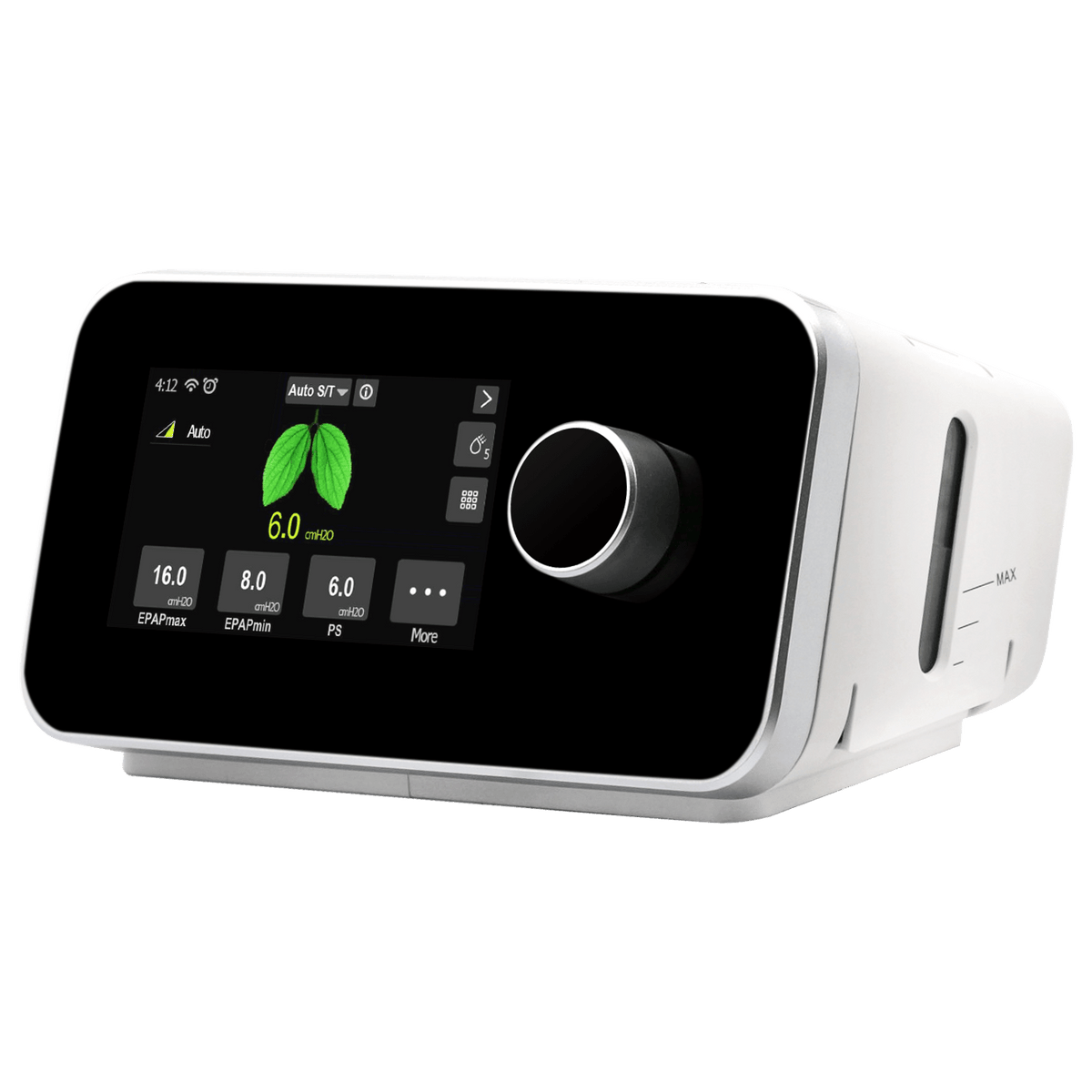
Pressure flexibility is the heart of BiPAP. Look for models supporting ST (Spontaneous/Timed), Auto-ST, and adaptive volume modes (e.g., AVAPS or EVAPS). These enable the device to adjust not just to your breathing but also to changes in your condition night-to-night. Auto BiPAP machines like the iBreeze offer auto-adjusting pressure, which can make therapy more comfortable and seamless as your needs vary.
Comfort Settings: Humidification, Ramp, and Noise Levels
Features such as integrated humidifiers, ramp settings (gradually increasing pressure as you fall asleep), and low operational noise can make or break your nightly experience. The best BiPAPs in 2026 are nearly silent, with customizable comfort settings to reduce dry mouth and morning headaches.
Mask Compatibility: Full Face vs. Nasal (and Fit for Side Sleepers)
BiPAP therapy is only as good as your mask fit. Some models require a full face mask (especially if you breathe through your mouth), while others work with nasal masks. If you’re a side sleeper, check for masks with flexible seals and low-profile frames to avoid leaks. Always ensure the machine is compatible with your preferred mask style before buying.
Data Tracking and Report Quality
Modern BiPAPs should provide detailed, easy-to-read therapy data. Look for machines that sync with an app or allow exporting reports, so you and your provider can track trends—like usage hours, leak rates, and apnea events. This is crucial for adjusting therapy and proving insurance compliance, if needed.
Oxygen Compatibility: Using BiPAP with Portable Oxygen Concentrators
If you require supplemental oxygen, confirm that the BiPAP model supports oxygen integration. Many users pair devices with portable oxygen concentrators for overnight oxygen monitoring, but not all BiPAPs are designed for seamless connection. Compatibility is especially important for those with complex respiratory conditions.
Safety, Certification, and Prescription Requirements
FDA Approval and Device Safety Standards
Check for FDA clearance or equivalent certification, which ensures basic safety and quality standards. Avoid non-certified imports or gray-market devices. Reputable sellers should list regulatory status prominently.
Prescription Needs and Medical Supervision
In the United States, BiPAP machines require a valid prescription. This is not just regulatory red tape: a proper Rx ensures your settings are tailored for safety and efficacy. Always consult a sleep specialist before making a purchase.
Comparing BiPAP, CPAP, and APAP: Comfort, Cost, and Use Cases
| Feature | CPAP | APAP | BiPAP | Best For |
|---|---|---|---|---|
| Pressure Type | Fixed | Auto-adjusting (single range) | Two levels (inhalation/exhalation), manual or auto | BiPAP: users needing higher comfort, complex apnea |
| Comfort for Side Sleepers | May cause leaks/discomfort | Better adjustment, but still single pressure | Custom exhale relief, helps side sleepers most | BiPAP: best for side sleepers needing variable support |
| Data Tracking | Basic | Moderate | Advanced, app-enabled | BiPAP: users who monitor therapy closely |
| Cost | $ | $$ | $$$ | CPAP/APAP: lower budgets; BiPAP: value for complex needs |
| Use Case | Simple obstructive sleep apnea | Variable or mild-moderate sleep apnea | Complex, central, or severe apnea; comfort focus | Match to therapy needs |
| Learn More | Review: CPAP vs APAP | Review: CPAP vs APAP | Review: Auto BiPAP | Product |
How to Read and Use BiPAP Device Reports
Understanding Data for Effective Sleep Therapy
BiPAP machines collect data on usage, apnea events, pressure levels, and leak rates. Reviewing these reports helps you and your clinician spot trends or problems—like mask leaks or suboptimal settings. High-quality machines export readable reports, often via a smartphone app or downloadable PDF.
Sharing Reports with Your Healthcare Provider
Regularly share your data with your doctor for therapy tuning. Most platforms allow secure sharing via email or cloud, making remote consultations and adjustments straightforward.
Device Setup, Cleaning, and Maintenance: What to Know Upfront
Initial Setup and How-To Basics
Look for models with clear setup guides (video or written), intuitive menus, and accessible customer support. Some require manual mask fitting, while others include auto-calibration. Factor in the learning curve—especially if you’re new to sleep therapy devices.
Best Practices for Cleaning and Maintenance
Regular cleaning keeps your device safe and effective. Water chambers, hoses, and masks need weekly washing and occasional replacement. Check if your chosen model has dishwasher-safe parts or bundled cleaning accessories for easier upkeep.
Checklist: What to Look for Before Purchasing a BiPAP Machine
- Confirm pressure mode flexibility (ST, Auto-ST, AVAPS/EVAPS).
- Check for comfort features: humidification, ramp, and quiet operation.
- Ensure compatibility with your preferred mask (full face or nasal)—especially if you are a side sleeper.
- Review data tracking/report capabilities and app connectivity.
- Verify oxygen integration ability if you require supplemental oxygen.
- Only buy FDA-cleared devices with proper Rx.
- Assess ease of setup, cleaning, and ongoing maintenance.
- Evaluate total cost (device, mask, supplies) against your budget and insurance coverage.
If You're Unsure
If you’re on the fence, ask yourself: Do you need two-level pressure support? Are you struggling with standard CPAP comfort? Do you need detailed therapy data or plan to add oxygen? If the answer is yes to any, a BiPAP is likely worth the investment. Otherwise, compare with APAP or advanced CPAP models to balance cost and comfort.
Product Spotlights
Auto BiPAP Machine
The Auto BiPAP Machine offers advanced auto-adjusting pressure support, making it an excellent choice for users whose needs change nightly or require a gentle, adaptive response. Its built-in humidifier and quiet operation are ideal for light sleepers or those sensitive to noise. Data tracking is robust, syncing with a companion app for detailed reports—useful if you share data with your provider or want to monitor progress closely. One limitation is the initial setup, especially for first-time users who may need guidance on mask fit and machine calibration. Best for: users seeking nightly comfort, long-term therapy insights, and flexible support at home.
Auto BiPAP Machine + O2Ring
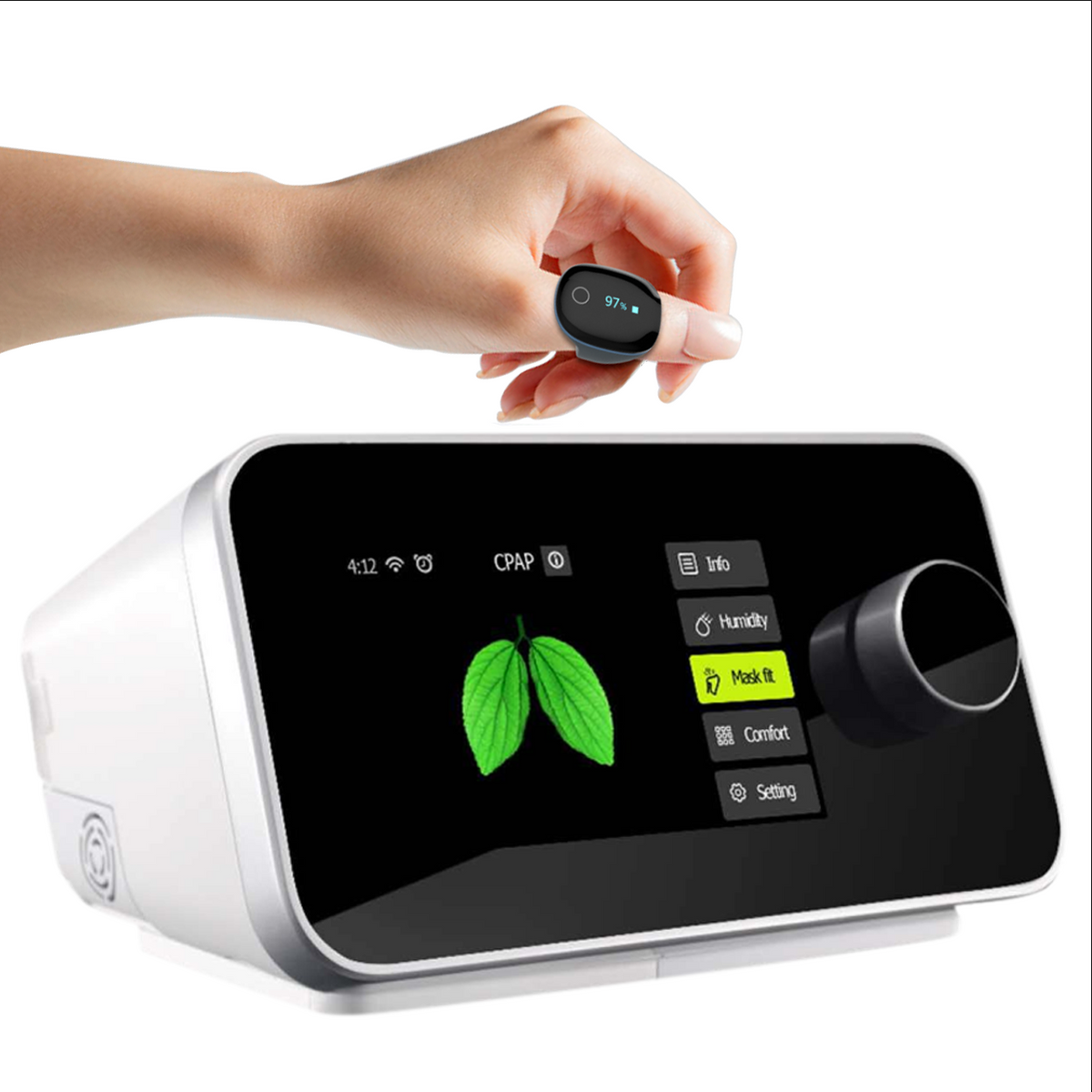
The Auto BiPAP Machine + O2Ring bundle is designed for those who need continuous oxygen monitoring alongside their sleep therapy. The O2Ring tracks overnight oxygen saturation and integrates directly with the BiPAP, providing a comprehensive view of both respiratory support and oxygen status. This pairing is especially valuable for users with complex sleep apnea, COPD, or overlap syndromes where oxygen levels need close monitoring. As with the standalone BiPAP, setup can be a challenge for technology novices, but the data-driven insights make it well worth the learning curve. Real-world scenario: users who want one system for both therapy and oxygen tracking, simplifying their nightly routine.
Conclusion: Making an Informed BiPAP Purchase in 2026
Buying a BiPAP machine is a meaningful investment in your health and nightly well-being. Focus first on fit, comfort, and feature set—then double-check device safety and prescription requirements. The Auto BiPAP Machine stands out for its blend of comfort, adaptability, and data insights. If overnight oxygen monitoring is also a priority, the Auto BiPAP Machine + O2Ring is a logical upgrade. Above all, ensure your choice matches your unique needs, and consult regularly with your provider to optimize results.