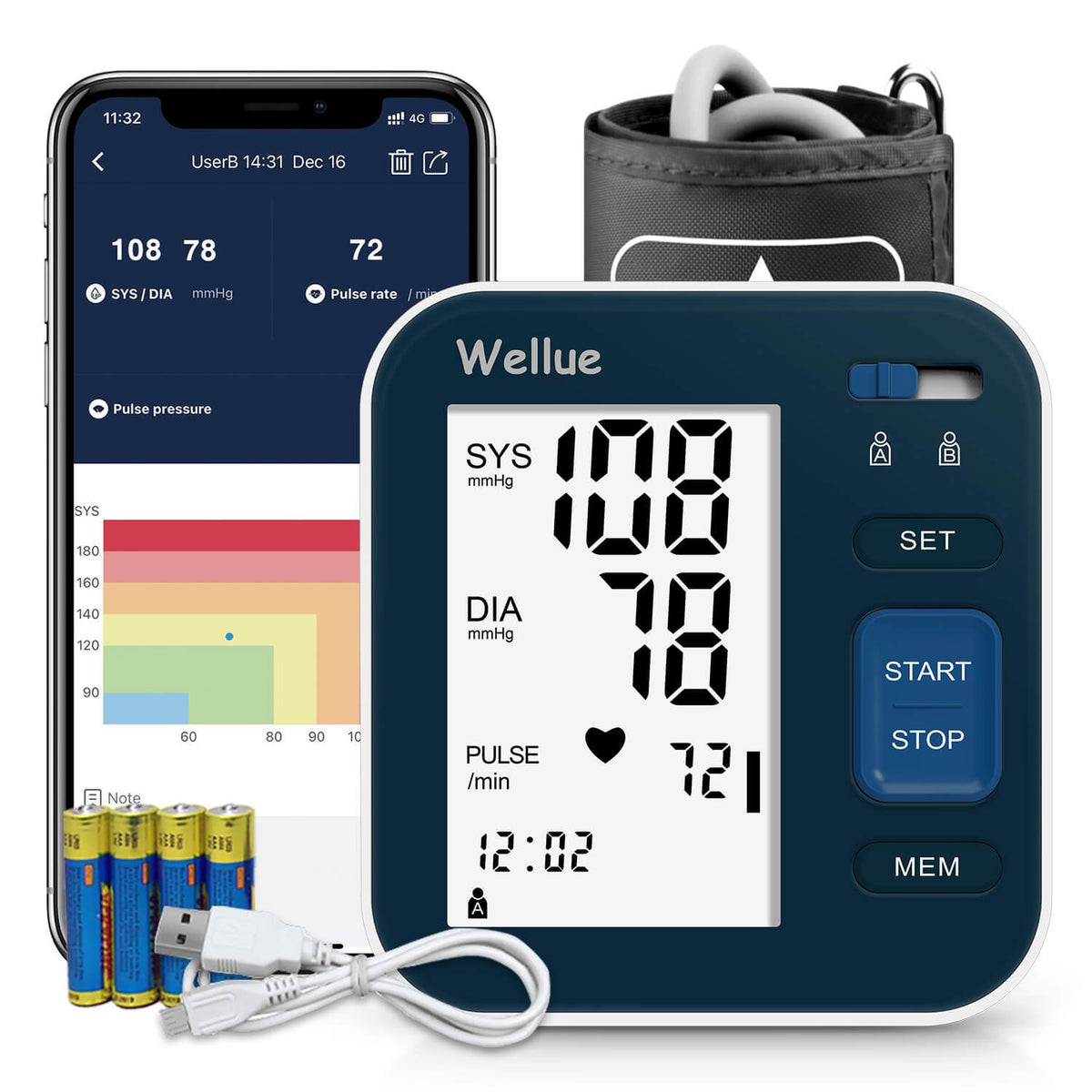
Quick take
We break down who this device is best for, what it measures, and how it compares in the market.
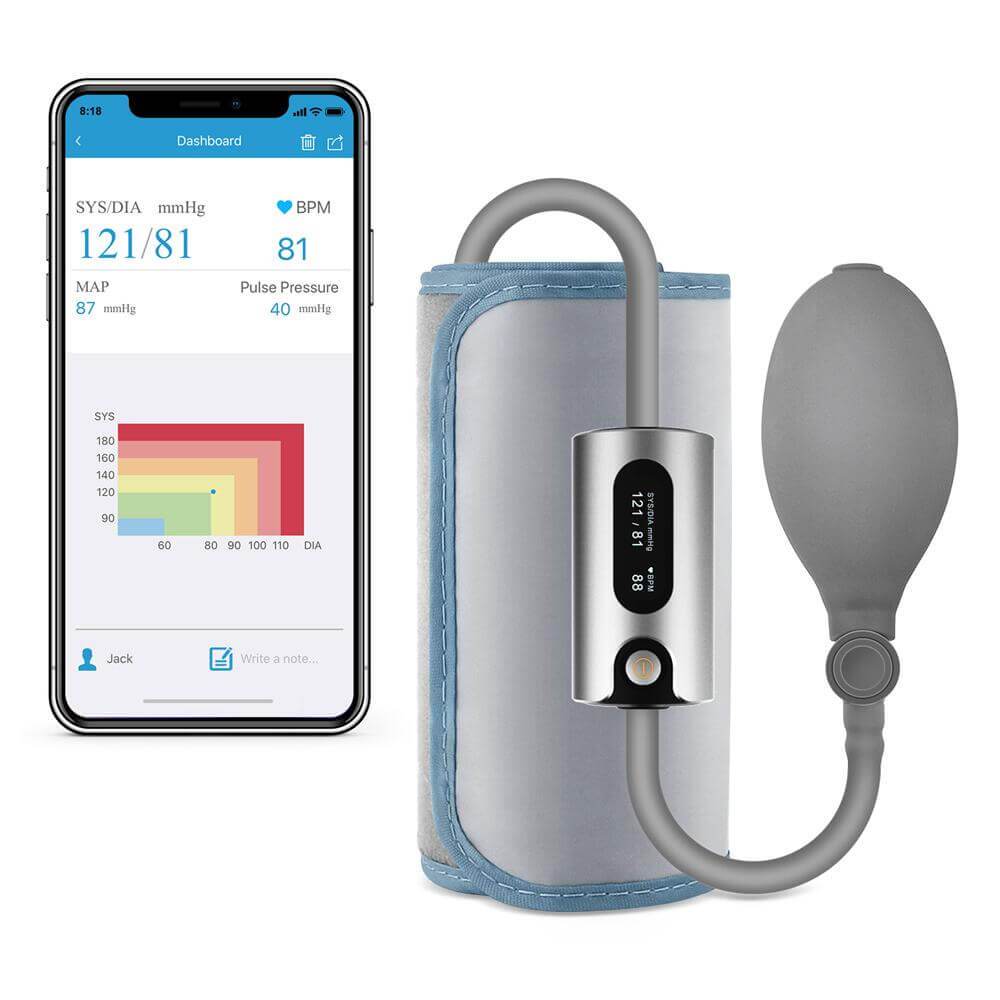
Key Takeaways
- Know what your blood pressure numbers mean—systolic, diastolic, and pulse rate all matter.
- Choose a monitor that matches your needs: accuracy, cuff fit, and display clarity are essential.
- Consistent tracking at home can reveal trends your healthcare provider needs to see.
- Proper setup and regular device maintenance keep your readings reliable.
- If you notice repeated abnormal results, contact your healthcare provider promptly.
Introduction: Why Accurate Blood Pressure Monitor Readings Matter
Understanding blood pressure monitor readings meaning is more than a technical exercise—it’s a daily tool for protecting your health. Nearly half of U.S. adults have hypertension, and many more are at risk (CDC, 2025). Home monitoring empowers you to catch changes early, avoid unnecessary worry, and have more informed conversations with your doctor.
This is especially vital for seniors, people with a family history of heart disease, and anyone managing conditions like diabetes or sleep apnea. The right monitor and a bit of knowledge can make all the difference.
What to Look for in a Blood Pressure Monitor for Home Use
- Accuracy: FDA-cleared monitors from reputable manufacturers like Wellue offer trusted results. Look for upper arm models for best reliability.
- Cuff Fit: The cuff should fit your upper arm snugly but comfortably. Adjustable, pre-formed cuffs (22–42cm) suit most adults.
- Display Clarity: Large, high-contrast screens (like OLED) help everyone—especially seniors—read their results with ease.
- App Connectivity: Many affordable blood pressure monitors with app features let you store, review, and share readings seamlessly.
When comparing upper arm vs wrist blood pressure monitors, upper arm models typically win on accuracy, particularly for seniors and anyone with vascular conditions. Wrist monitors are more portable, but proper positioning is challenging for consistent readings.
There are plenty of cheap and best BP monitors available—just ensure the device is clinically validated and fits your arm size. App-enabled models offer easy report sharing for ongoing care, even at entry-level prices.
Blood Pressure Monitor Readings Meaning: Explaining the Numbers
- Systolic: The top number. Measures pressure as your heart contracts and pumps blood. High systolic readings (130 mm Hg or higher) signal increased risk.
- Diastolic: The bottom number. Reflects pressure as your heart rests between beats. Over 80 mm Hg is considered elevated for most adults.
- Pulse Rate: Shown as beats per minute (bpm). While not a direct blood pressure measurement, it can indicate heart rhythm regularity and overall cardiovascular status.
According to 2026 guidelines (NHLBI, Mayo Clinic), blood pressure categories are:
| Category | Systolic (mm Hg) | Diastolic (mm Hg) |
|---|---|---|
| Normal | <120 | <80 |
| Elevated | 120–129 | <80 |
| Hypertension Stage 1 | 130–139 | 80–89 |
| Hypertension Stage 2 | ≥140 | ≥90 |
If you’re using a 24-hour blood pressure machine (ambulatory monitor), it’s a compact, wearable device with a cuff that automatically inflates throughout the day and night. This setup provides a detailed pattern—not just a single snapshot—helping your provider distinguish white-coat hypertension from true high blood pressure.
How to Read and Interpret Home Blood Pressure Reports
- Check patterns, not just single readings. Morning readings are often higher; stress, activity, and medications can cause spikes.
- Review trends over time. Many monitors, such as the Smart Blood Pressure Monitor, store up to 100 readings for clear trend analysis in their app.
- Be alert to repeated or sudden changes. One odd number isn’t usually cause for alarm. Consistently high or low values deserve attention.
- Ask these questions: Has my average changed? Are my readings always higher at a certain time? Did I measure correctly?
Common Questions About Home BP Monitoring
- Why do readings change throughout the day? Blood pressure naturally fluctuates with stress, meals, sleep, and activity level.
- How often should you measure? For most, once in the morning and once in the evening is enough—unless your provider instructs otherwise.
- Upper arm vs wrist blood pressure monitor – which is more reliable? Upper arm devices are less sensitive to positioning errors and are widely recommended for home use.
- Cheap and best BP monitor – does price affect accuracy? Not always. Many budget models, like Wellue’s entry-level monitors, deliver solid reliability if they’re certified and used correctly.
Best Practices: Accurate Measurement and Device Maintenance
- Set up on a flat surface. Sit quietly for five minutes, back supported, feet flat, arm at heart level.
- Apply the cuff correctly. The lower edge should sit an inch above your elbow crease. The fit should be snug, not tight.
- Measure at the same times daily. Consistency is key for spotting trends.
- Clean the cuff and device regularly. Wipe with a soft, damp cloth (no harsh chemicals). Store in a dry place.
- Review stored reports and app data. Use the device’s memory or app to track patterns and share with your clinician.
Who this is for
If you’re managing hypertension, are over 50, or simply want to be proactive about your heart health, home monitoring is for you. It’s especially useful if you want to avoid white-coat anxiety, track the effect of new lifestyle changes, or communicate more effectively with your healthcare team.
If You’re Unsure: Simple Decision Cues
Choose an upper arm monitor if you want maximum accuracy or you’re a senior. Pick a model with a clear display and memory if you’re tracking over time or sharing data with a provider. Opt for app connectivity if you like digital records. Wrist monitors are only for those with specific needs or doctor’s advice.
Product Highlights: Real-World Use Cases
| Product | Best For | One Limitation | Real-World Scenario | Actions |
|---|---|---|---|---|
| Daily home tracking, especially for adults managing hypertension | Cuff placement needs care for best results | Ideal for someone logging their readings before breakfast and after dinner, sharing app data with their doctor at every checkup. | ||
| Tech-savvy users who want Bluetooth syncing and a portable design | Requires smartphone for full data review features | Useful for tracking blood pressure while traveling or during exercise routines, then reviewing history at home or with a provider. |
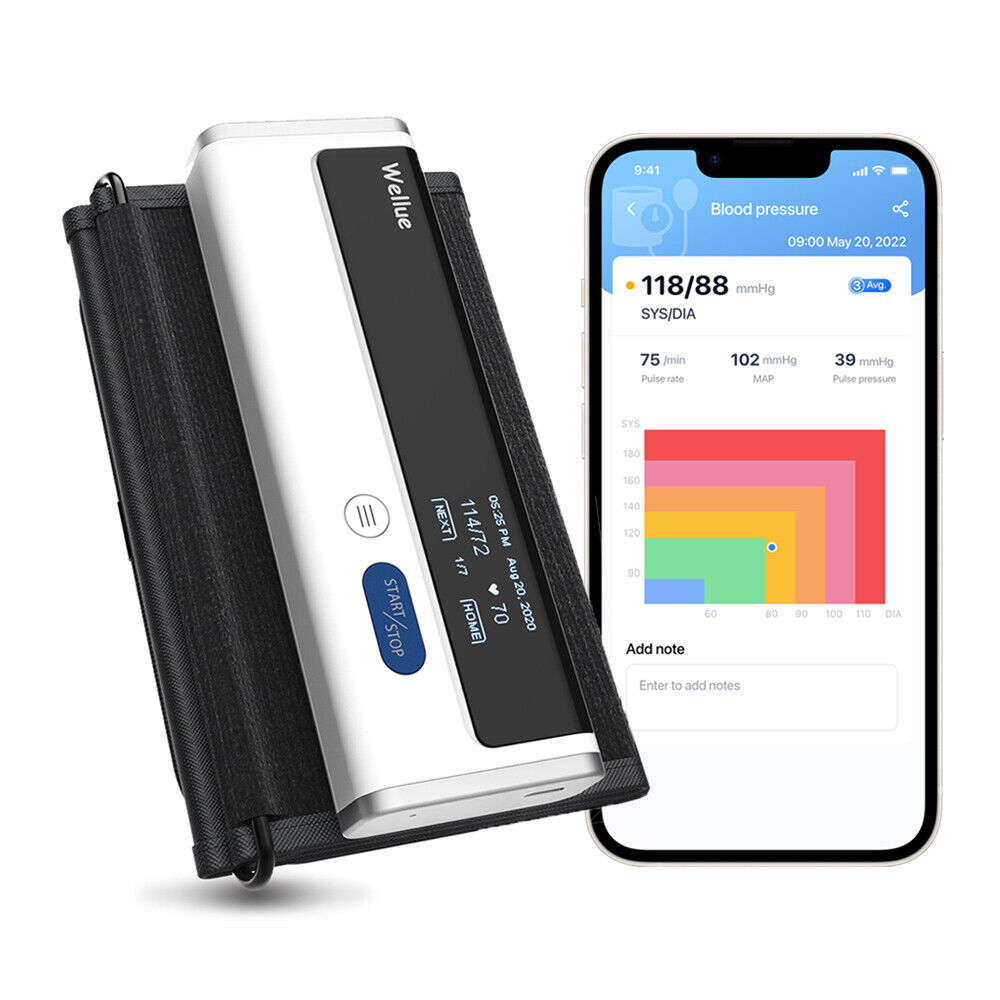
What To Do Next: When to Contact Your Healthcare Provider
- If you notice repeated readings in the hypertension range, or a sudden change from your normal average, contact your provider.
- Bring your device or app report to your next appointment for review.
- Ask your provider about your personal target range and how often you should monitor at home.
Summary: Making Sense of Your Blood Pressure Monitor Readings
Interpreting blood pressure monitor readings at home doesn’t have to be stressful. Focus on understanding what each number means, choose a reliable device that fits you well, and track your results consistently over time. When in doubt, consult your healthcare provider—they’re your best resource for turning numbers into real-world health choices.
For most people, the AirBP Plus Blood Pressure Monitor offers the balance of accuracy and simplicity you need. If you want smart features and portability, consider the Smart Blood Pressure Monitor as an alternative.