Quick take
We break down who this device is best for, what it measures, and how it compares in the market.

Key Takeaways
- Smart ring pulse oximeters like the O2Ring S offer superior comfort and continuous tracking for overnight monitoring.
- Device fit, app experience, and long-term reliability matter as much as pure accuracy—especially for uninterrupted sleep.
- O2Ring alternatives and dedicated small-finger models are available for users with specific sizing or comfort needs.
- Most issues with home oxygen monitoring—such as inaccurate readings—can be solved with proper setup and maintenance.
- Understanding and sharing overnight oxygen trends is key for meaningful discussions with your healthcare provider.
Introduction: Why Consider Pulse Oximeter Alternatives for Overnight Use?
Anyone who’s tried to track their oxygen levels while sleeping knows the struggle: standard fingertip pulse oximeters are often uncomfortable, prone to slipping off, and not designed for hours-long wear. This can lead to spotty data, disrupted sleep, and frustration—especially when you need reliable trends to discuss with your doctor. As overnight oxygen monitoring at home becomes more common for people managing sleep apnea, COPD, or post-COVID symptoms, the demand for user-friendly, accurate, and comfortable solutions is growing fast.
Limitations of Traditional Fingertip Pulse Oximeters at Night
Fingertip models are great for quick daytime checks, but their spring-loaded clips can cause numbness, fall off during movement, and rarely provide uninterrupted data. Moreover, frequent alarms from accidental dislodging may wake you or skew your overnight results. If you’re serious about tracking your oxygen through the night, it pays to consider alternatives built specifically for all-night use.
What Makes a Good Overnight Oxygen Monitor?
Essential Features for Reliable Home Use
- Continuous SpO2 and pulse rate tracking (not just spot checks)
- Comfortable, secure fit for hours of wear
- Reliable app or software for reviewing and sharing reports
- Long battery life (at least 8 hours per charge)
- Easy-to-understand alerts for low oxygen or abnormal heart rate
How to Choose a Pulse Oximeter for Overnight Monitoring
Begin by thinking about your main priorities. If comfort and uninterrupted data are crucial, smart ring pulse oximeters stand out. For those who need a budget-friendly solution or have unique sizing needs, look for compact fingertip or specialized models. Always check that the device offers continuous monitoring, not just spot checks, and that the app allows you to review overnight trends with ease.
Understanding Pulse Rate Variability on Oximeters
Pulse rate variability (PRV) offers insight into how your heart responds to sleep cycles and oxygen fluctuations. Reliable overnight oximeters display these trends, helping you (and your doctor) spot patterns of concern. If your device report shows abrupt PRV changes, it could point to arousals or breathing events—worth noting for your next medical appointment.
Overview of Popular Pulse Oximeter Alternatives
Smart Ring Pulse Oximeters: O2Ring S and O2Ring Alternatives
The O2Ring S Pulse Oximeter is a leader in this category. Designed as a soft, flexible ring, it monitors oxygen saturation and pulse rate every second, sending gentle vibrations if your levels drop. Its companion app generates clear overnight reports you can easily share with a physician. Best for those who value comfort and want set-and-forget overnight tracking, it’s especially popular among users with sleep apnea or those needing long-term trend monitoring. One limitation: users with sensitive skin or unusual finger sizes may find fit varies, so it’s smart to check sizing before buying.
Wellue Bluetooth Fingertip Pulse Oximeter: Pros and Cons
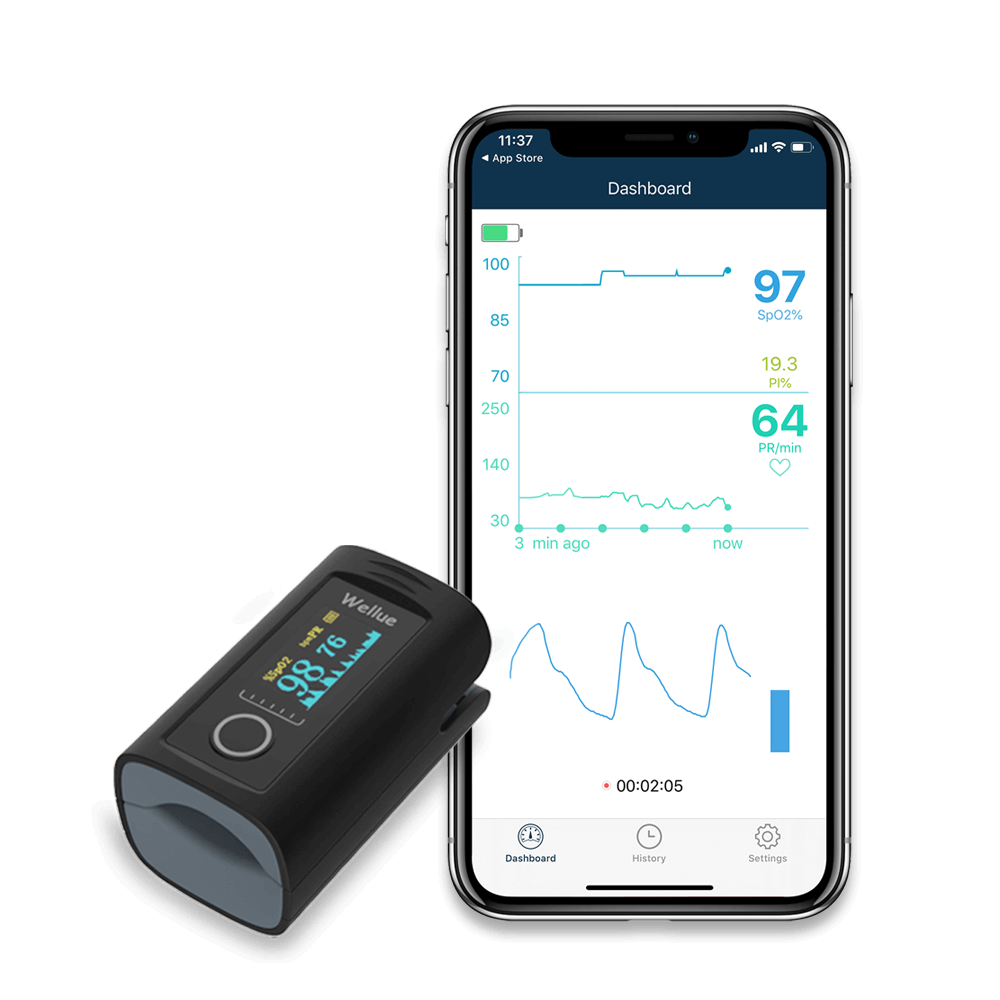
For those who prefer a classic design but want the benefits of app connectivity, the Wellue Bluetooth Fingertip Pulse Oximeter is worth considering. This compact device offers continuous SpO2 and pulse tracking, syncing wirelessly to your phone for overnight report review. It’s a smart choice for users who want a familiar feel and don’t mind the fingertip clip for several hours at a time. Keep in mind, some people find finger clips less comfortable for all-night wear, and occasional movement can still disrupt readings. If you want reliable data and are comfortable with the form factor, it’s a practical all-rounder.
Oxygen Monitors for Small Fingers: Secure Fit for All Ages
Children, petite adults, or anyone with smaller fingers may struggle with standard devices. The Oxygen Monitor for Small Fingers is purpose-built for this audience, ensuring a snug fit and more consistent overnight data. It’s ideal for parents monitoring kids with respiratory concerns, or anyone who finds typical rings or clips too loose. While not intended for medical diagnosis, it provides wellness-focused tracking and peace of mind for home use. One caveat: always confirm with your healthcare provider whether this type of device meets your specific needs.
Comparison Table: Key Specs, Comfort, App Workflow, and Long-Term Tradeoffs
| Device | Best For | Comfort | Continuous Tracking | Battery Life | App Workflow | Unique Feature | Long-Term Value | Product Link |
|---|---|---|---|---|---|---|---|---|
| All-night wear, comfort-first users | Soft silicone ring; minimal sleep disruption | Yes (every second) | 12-16 hrs | Intuitive app, easy export | Vibration alert for low oxygen | Excellent for ongoing trend monitoring | ||
| Budget, familiar clip style | Standard clip; less comfy for all-night | Yes (with app) | 14-16 hrs | Syncs easily; app can be basic | Drop-resistant, splash proof | Solid for occasional overnight checks | ||
| Kids, petite adults, unique sizing | Snug, tailored fit | Yes (continuous) | ~12 hrs | App-based, clear trends | Fits 1.57"–2.05" finger circumference | Great for families, non-medical use |

Actionable Criteria: Accuracy, Battery Life, Wearability, and Data Features
When comparing o2 ring alternatives or deciding how to choose a pulse oximeter for overnight monitoring, focus on the above criteria. The O2Ring S leads for comfort and steady tracking. Fingertip models are more affordable and familiar, though not as sleep-friendly. Specialized small-finger options fill an important gap for younger users and those with unique sizing needs.
Deep Dive: Comfort and Wearability for Uninterrupted Sleep
Smart Rings vs. Fingertip Clips: Which Is Best for All-Night Wear?
Most adults find the smart ring design dramatically more comfortable than a fingertip clip—especially if you toss and turn at night. The O2Ring S’s soft material avoids pressure points and is less likely to fall off, making it the top pick for anyone seeking true overnight trend data. Fingertip clips, while improved with modern designs, may cause numbness or shift with movement, leading to gaps in your overnight report. If you’re a light sleeper or sensitive to pressure, a ring is almost always the better investment.
Addressing Skin Sensitivity and Fit Issues
Skin irritation is rare but possible after prolonged use. Rotate fingers nightly and keep the device clean to minimize risk. For users needing o2 ring alternatives due to fit, consider the small finger model or try adjustable ring sizes when available. Always check product return policies if you’re unsure about sizing.
App Experience and Report Interpretation
How to Read Device Reports and Spot Overnight Trends
Look for reports that highlight oxygen drops, time spent below 90% SpO2, and pulse rate variability. These trends matter more than single low readings. The O2Ring S and Bluetooth Fingertip both offer exportable reports—ideal for sharing with your doctor. If you’re wondering how to understand pulse rate variability on oximeter charts, focus on ranges and abrupt changes rather than isolated spikes.
Syncing Data: Mobile Apps, Sharing, and Doctor Collaboration
All reviewed devices sync with iOS and Android, with apps allowing you to view, export, and share your overnight data. Some users report minor workflow challenges, like screen orientation quirks or basic app interfaces, but overall syncing is straightforward. Make sure your device’s app fits your comfort with technology; if in doubt, check for video tutorials or user support before buying.
Troubleshooting: Fixing Inaccurate Readings and Common Issues
How to Fix Pulse Oximeter Inaccurate Readings at Home
Common culprits include loose fit, cold fingers, or motion during sleep. Ensure the device is snug but not tight, and hands are warm before use. Clean sensors regularly to prevent buildup that may skew results. If you continue to get inconsistent data, try a different finger or consult the manufacturer’s troubleshooting guide.
Device Cleaning and Maintenance for Reliable Results
Wipe sensors gently with a soft, alcohol-free cloth after each use. For rings and clips, avoid submerging in water and let the device air dry before storing. Regular cleaning not only maintains accuracy but also helps prevent skin irritation during long-term use.
Ownership Considerations: Cost, Upkeep, and Long-Term Value
Best Budget Options for Home Use
Fingertip devices tend to be the best budget pulse oximeter for home use, especially if you only need occasional overnight checks. For those tracking oxygen every night, investing in a comfortable smart ring may save more frustration (and sleep) in the long run.
Balancing Price, Features, and Ongoing Support
Consider warranty terms, app updates, and the availability of replacement parts. When comparing best overnight oxygen monitor for home use options, think about your comfort with technology, your fit needs, and how much hands-on maintenance you’re willing to do.
Who This Is For
If you’re monitoring sleep apnea, COPD, or other respiratory concerns, these devices provide valuable peace of mind. Parents of children with asthma, adults wanting to track oxygen after COVID, and anyone who wakes up feeling unrested or short of breath may benefit from overnight monitoring. Always review device reports with your healthcare provider for personalized interpretation and advice.
If you’re unsure which to choose, here’s a quick guide: Prioritize comfort and all-night tracking? Start with the O2Ring S. Prefer a familiar style or need a lower price? A Bluetooth fingertip model is a safe bet. Have small fingers or are buying for a child? The small finger monitor ensures a secure fit and reliable results.
Conclusion: Finding Your Ideal Solution for Overnight Monitoring
Smart ring pulse oximeters like the O2Ring S set the gold standard for overnight tracking, blending comfort and reliable data. Fingertip devices remain a strong budget-friendly choice for occasional monitoring or those who don’t mind the classic clip. For small fingers, specialized models fill an important niche.
For most adults seeking daily overnight trend tracking, the O2Ring S is the clear recommendation. If you need a more familiar form factor or have unique sizing needs, consider the Bluetooth Fingertip or Small Finger alternatives. Whichever you choose, focus on comfort, app usability, and consistent cleaning for the best long-term results.