Quick take
We break down who this device is best for, what it measures, and how it compares in the market.

Portable Oxygen for Altitude Sickness: A Practical Guide (2026)
Key Takeaways
- Portable oxygen concentrators offer real support for preventing and managing altitude sickness—especially if you have lung, heart, or other vulnerabilities.
- Key features to prioritize: high oxygen purity (93%±3%), adjustable flow rates (pulse or continuous), extended battery life, and real-time O2 monitoring.
- Proper setup, regular maintenance, and understanding your oxygen readings are essential for safe, effective use at altitude.
Introduction: Why Portable Oxygen Matters at High Altitude
Even healthy travelers can feel the effects of thinner air at elevation. Shortness of breath, headaches, and fatigue are common as you ascend. For those with respiratory or cardiovascular conditions, or anyone venturing above 8,000 feet, these symptoms can escalate quickly. Portable oxygen for altitude sickness isn’t just for emergency backup—it can make your time at elevation safer and more comfortable, enabling you to enjoy the experience rather than worry about your next breath.
Who this is for
- Travelers visiting high-altitude destinations (mountains, plateaus, or ski resorts)
- Hikers, trekkers, and climbers spending extended time above 8,000 feet
- Anyone with a history of altitude sickness or diagnosed heart/lung conditions
- Seniors and individuals with limited reserve for hypoxic stress
If you're unsure, a portable oxygen concentrator is worth considering if you have any doubts about your body's ability to adapt to altitude, or if a healthcare professional has recommended it for you.
How Portable Oxygen Helps Prevent and Manage Altitude Sickness
At higher altitudes, the air contains less oxygen. This means your body has to work harder to get enough O2, leading to hypoxia—when blood oxygen levels drop below what’s optimal. Mild symptoms can include dizziness and breathlessness; more severe forms may involve confusion or loss of consciousness. Supplemental oxygen raises the fraction of inhaled oxygen, helping you maintain safe levels even when the air is thin.
Portable oxygen is especially relevant for:
- Tourists rapidly ascending by plane or car
- Hikers trekking above 2,500 meters (8,200 feet)
- People with COPD, sleep apnea, or cardiac disease
Types of Portable Oxygen Solutions for Altitude Sickness
- Portable Oxygen Concentrators (POCs): These devices extract and concentrate oxygen from ambient air, providing a continuous or pulse flow of O2. Modern units are compact, battery-powered, and travel-friendly.
- Disposable Oxygen Canisters: Pre-filled, single-use canisters offer limited oxygen for short-term relief. They’re lightweight but have very low capacity and aren’t suitable for extended outings or overnight use.
Pulse dose models deliver oxygen only when you inhale, extending battery life, while continuous flow units provide a steady stream. Newer POCs now include real-time O2 feedback, letting you track your actual blood oxygen saturation (SpO2)—a major advantage for safety.
Key Features to Look For in a Portable Oxygen Concentrator for Altitude
- Oxygen Purity & Flow Rate: Look for medical-grade purity (around 93%±3%) and adjustable flow settings (0.5–5 L/min) to match your needs.
- Battery Life & Portability: Extended outings demand long battery runtime (6–9 hours with swappable batteries) and lightweight construction (under 5 lbs is ideal).
- FDA Clearance & Prescription: Only FDA-cleared models are recommended for medical use. You’ll need a doctor’s prescription to purchase.
- Ease of Setup & Maintenance: Simple controls and tool-free maintenance are vital for travelers.
Step-by-Step: How to Use Portable Oxygen Safely in High Altitude Environments
- Set up your device: Charge batteries fully before departure, and pack any required accessories (nasal cannula, spare filters).
- Monitor your SpO2: Use a wearable oximeter (like the O2Ring or fingertip pulse oximeter) to check blood oxygen levels regularly, especially during activity and sleep.
- Adjust flow as needed: Start with your prescribed setting. Increase flow only if SpO2 drops below your target range (typically >90%, but follow medical advice).
- Maintain hygiene: Clean your cannula and device surfaces daily—especially important on multi-day trips.
Portable Oxygen Devices for Altitude Sickness: Comparison Table
| Device | Weight | Battery Life | O2 Purity | Flow Settings | Best For | Review | Product Page |
|---|---|---|---|---|---|---|---|
| 4.37 lbs | Up to 9 hrs (2 batteries) | 93%±3% | 1–5 Pulse | Travel, hiking, overnight stays | Wellue | ||
| Similar (4–5 lbs) | Up to 9 hrs | 93% | 1–5 Pulse | Day hikes, air travel | Wellue | ||
| Heavier (not ideal for hiking) | AC powered (not portable) | 93%±3% | 0.5–5 LPM Continuous | Base camp, home use at altitude | Wellue |
Device Spotlights
- Portable Oxygen Concentrator with O2 Monitor: Best for travelers who want peace of mind and extended battery support on multi-day trips or overnight stays at altitude. Its lightweight build and real-time oxygen feedback make it suitable for hiking and air travel alike. While the battery runtime is robust, you’ll want a backup power plan for multi-day expeditions. Real-world use: A trekker spending three nights above 10,000 feet uses this device for supplemental O2 during sleep and strenuous hikes, tracking SpO2 with the integrated monitor.

- Pulse Dose Portable Oxygen Concentrator: Ideal for those who prioritize portability and simplicity during day hikes or sightseeing at moderate altitude. The pulse dose delivery conserves battery but may not suffice for those needing high, continuous oxygen. Use-case: A senior flying to a ski resort at 9,000 feet keeps this in a daypack for on-demand relief during short walks and rest periods.
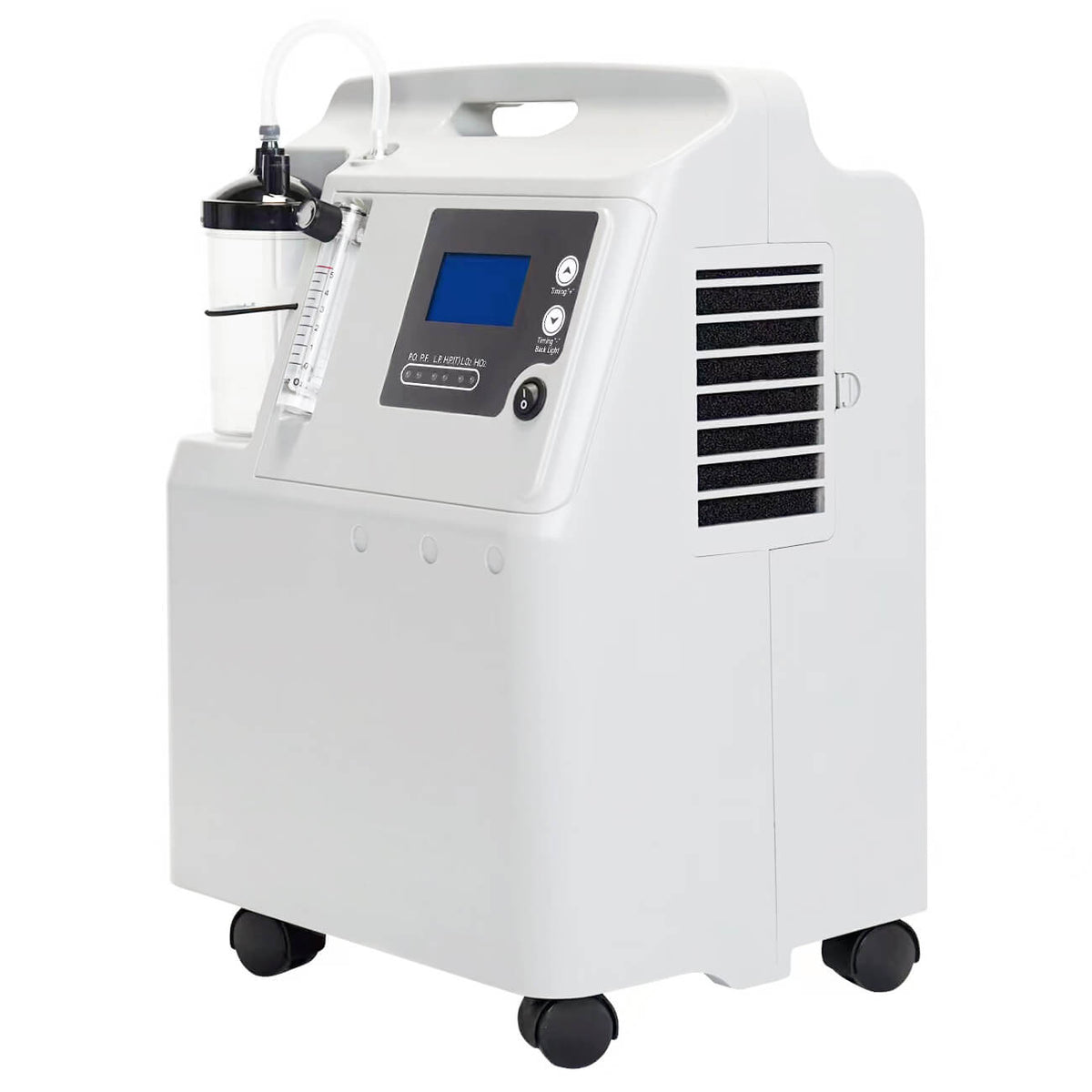
- 5L Oxygen Concentrator: Designed for stationary use (at base camp or hotel) rather than active travel. Its continuous flow and higher output suit those requiring steady O2 at night or for severe respiratory needs. One limitation: it's not battery-powered, so unsuitable for hiking. Scenario: A visitor with underlying lung disease uses this at a mountain lodge to recover after daily excursions.
Reading and Understanding Device Reports and Oxygen Monitoring Data
Modern POCs with real-time O2 feedback provide instant SpO2 readings, helping you spot dips before symptoms worsen. Wearables like the O2Ring also track overnight trends, flagging concerning drops in oxygenation that might require intervention or a change in your plan. If you notice persistent readings below your target range, it’s time to increase your oxygen flow (as prescribed) and consider descending or seeking help.
Cleaning and Maintaining Your Portable Oxygen Device
Reliability at altitude depends on regular upkeep. Clean nasal cannulas daily with mild soap and water, wipe down device surfaces, and check air filters frequently—dust and environmental debris accumulate quickly at elevation. For longer trips, pack spare filters and sanitizing wipes. Battery contacts and charging ports should be kept dry and free of corrosion to ensure consistent power delivery.
When to Seek Medical Help: Recognizing Serious Altitude Sickness
While portable oxygen is a valuable support tool, it is not a replacement for professional medical care. If you or a companion experience severe headache, confusion, loss of consciousness, or difficulty breathing that does not resolve with oxygen, descend immediately and seek emergency help. Always understand the limitations of home and portable oxygen therapy—some cases require advanced intervention.
Conclusion: Portable Oxygen for Altitude Travel—Practical Takeaways
Portable oxygen for altitude sickness has become more accessible, compact, and reliable than ever. For most travelers—especially those with health risks—the Portable Oxygen Concentrator with O2 Monitor offers the best balance of portability, battery life, and real-time monitoring. For day trips or minimal needs, the Pulse Dose Portable Oxygen Concentrator is a smart alternative. Prioritize FDA-cleared, prescription-required devices for your safety, and always consult with your healthcare provider before your journey.