Quick take
We break down who this device is best for, what it measures, and how it compares in the market.

Portable Oxygen Concentrator External Battery Comparison (2026 Guide)
For anyone relying on portable oxygen, running out of battery is more than an inconvenience—it can disrupt travel plans, outdoor adventures, or even simple errands. Extended battery life, made possible by external battery packs, empowers users to stay mobile and independent longer. This comparison focuses on what matters most: how long you can count on your device, how easy it is to carry, and whether you can monitor your oxygen and battery status in real time.
Key Takeaways
- External battery packs can double (or more) the runtime of portable oxygen concentrators, offering true all-day mobility.
- Device weight, real-time O₂ monitoring, and battery management features are crucial for users needing reliable portable oxygen for long outings or travel.
- Wellue’s line of portable oxygen concentrators offers competitive battery life and user-friendly monitoring options for both casual and active lifestyles.
- Careful reading of device reports and following maintenance best practices maximizes both safety and performance.
Why External Batteries Matter for Portable Oxygen Users
External batteries aren’t just a convenience—they're an essential feature for users who spend significant time away from charging outlets. Whether you’re planning a cross-country flight, hiking a national park, or simply want to run errands without anxiety, extended battery life is peace of mind in your pocket.
Who Benefits Most from Extended Battery Life
Frequent travelers, outdoor enthusiasts, and anyone who needs reliable oxygen support for more than a few hours at a time will appreciate a portable oxygen concentrator with external battery options. It’s also a game-changer for those with unpredictable daily schedules or limited physical mobility.
Understanding Portable Oxygen Concentrators with External Batteries
How External Battery Packs Enhance Mobility
Adding an external battery pack can extend your concentrator’s runtime to 8-9 hours—or more with multiple packs—without increasing the device’s core weight. The ability to swap batteries on the go makes it possible to customize your oxygen setup to your unique routine or travel itinerary.
Key Features to Look For in an Oxygen Concentrator with External Battery
- Battery duration (single and dual battery setups)
- Device weight and size
- Charging speed and swappability
- Real-time oxygen and battery monitoring
- Ease of use and travel-friendly design
Top Portable Oxygen Concentrators with Extra Battery Options
Wellue Travel Oxygen Concentrator: Dual Battery Performance
The Wellue Travel Oxygen Concentrator stands out for its real-world practicality. With two battery packs, users can expect up to 9 hours of runtime—enough for long flights or full-day excursions. Weighing in at just over 4 pounds, it’s manageable in a backpack or shoulder bag. Real-time O₂ feedback ensures you’re always aware of your oxygen levels, and the simple, durable design suits both daily routines and travel. One limitation: on maximum flow settings, battery life shortens, so planning ahead is wise. For all-day reliability, this is a top pick for the best portable oxygen with extra battery support.
Mini Portable O2 Concentrator with O2Ring: Compact Power
 If ultra-lightweight and discretion matter, the Mini Portable O2 Concentrator with O2Ring delivers. At just 4 pounds and shaped like a water bottle, it’s easy to slip into nearly any bag or cupholder. The O2Ring enables live SpO₂ tracking, so you can adjust flow settings in real time. Its external battery ensures several hours of use, but for extended days out, carrying a spare is a must. This model is best for those prioritizing minimal weight and real-time feedback—think city outings, concerts, or light hikes.
Pulse Dose Portable Oxygen Concentrator: Flexible and Travel-Ready
 The Pulse Dose Portable Oxygen Concentrator combines pulse-dose efficiency with lightweight, portable design. Its high-purity oxygen delivery and up to 9 hours of battery runtime (with dual batteries) make it a practical companion for active users. Setup and controls are intuitive, and the swappable battery design means quick changes on the move. Be aware: as with most pulse-dose models, battery life may drop if you use higher flow settings frequently. This one fits best for those who want a balance of runtime, portability, and straightforward operation on the go.
Comparison Table: Battery Life, Portability, and User Convenience
| Product | Battery Life (With Extra Battery) | Weight | Real-Time O₂/SpO₂ Monitoring | Travel-Friendly? | Best For | Review | Shop Link |
|---|---|---|---|---|---|---|---|
| Up to 9 hours (2 batteries) | 4.37 lbs | Yes (O₂ feedback) | Yes | Long trips, air travel | Shop | ||
| Several hours (external battery; add spare for full day) | 4.0 lbs | Yes (O2Ring SpO₂) | Yes | Lightweight, city/outdoor use | Shop | ||
| Up to 9 hours (dual batteries; varies by flow) | Approx. 4 lbs | No | Yes | Active, on-the-go routines | Shop |
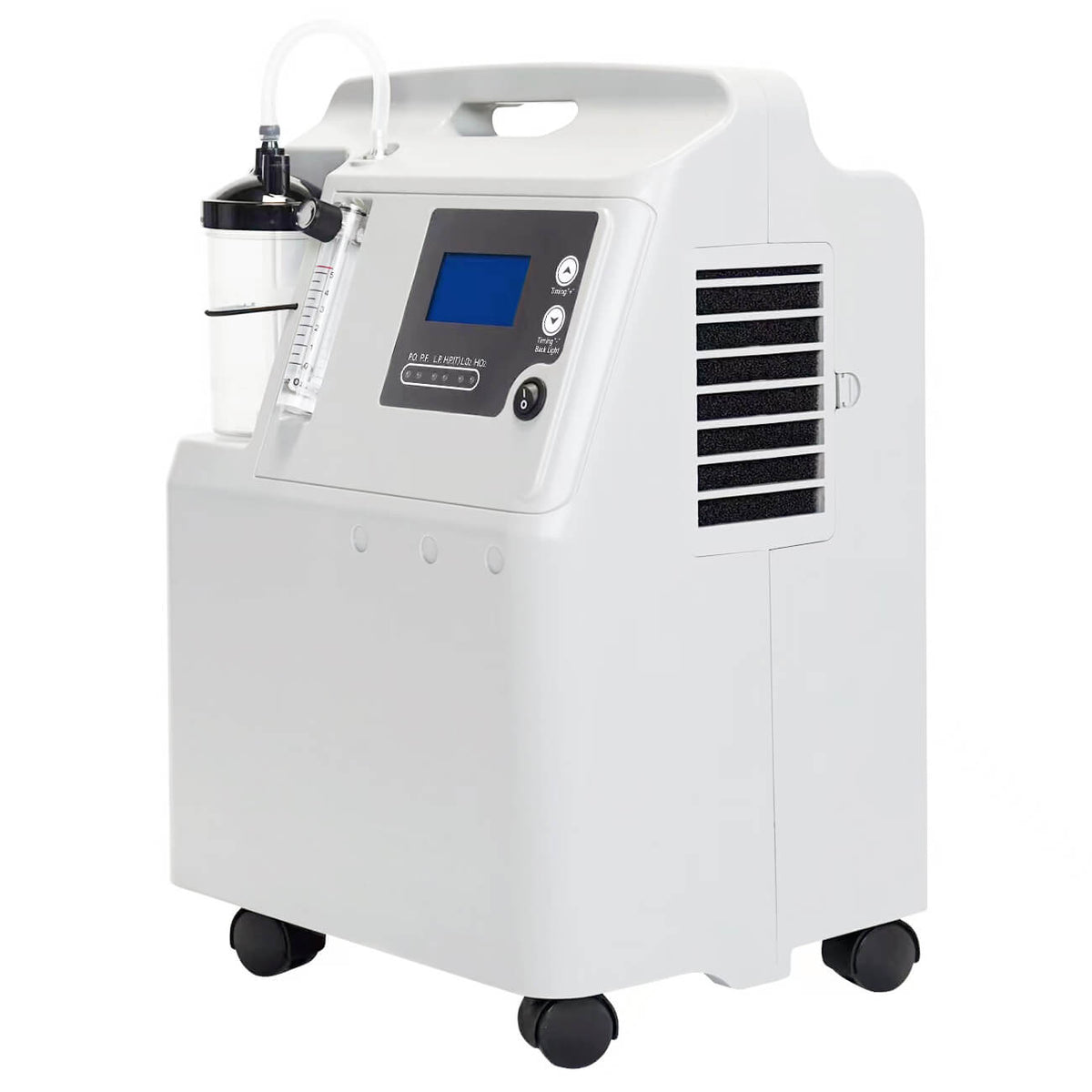

Summary of Best Portable Oxygen with Extra Battery Choices
- Wellue Travel Oxygen Concentrator: Best overall for long-duration use and travelers who need confidence in runtime.
- Mini Portable O2 Concentrator with O2Ring: Best for city or event use, especially if you need SpO₂ feedback and pocket-sized portability.
- Pulse Dose Portable Oxygen Concentrator: Best for active users who want both runtime and pulse-dose efficiency.
Who this is for
If you value extended independence—whether for travel, outdoor activities, or daily life—and want to minimize worry about battery depletion, a portable oxygen concentrator with external battery is for you. Those managing unpredictable routines or seeking peace of mind during long days away from home will benefit most. If you prefer the lightest load and real-time monitoring, focus on models with O2Ring or built-in O₂ feedback.
Choosing the Best Oxygen Concentrator with External Battery for Your Needs
Balancing Battery Life with Portability and Comfort
Longer battery life often means carrying at least one spare pack. If you’re highly mobile and don’t want to think about swapping batteries, opt for models supporting dual batteries or quick changes. Smaller, lighter models are best for short outings, while larger packs are suited to longer trips or air travel.
Traveling, Outdoor Use, and Everyday Scenarios: What to Consider
Consider your most demanding scenario: flights, hiking, or all-day events. Match your choice to the longest stretch you’ll be away from a charger. If you need real-time SpO₂ data, prioritize models with O2Ring or similar monitoring.
How to Maximize Battery Life and Safe Usage
Practical Tips for Extending Oxygen Concentrator Battery Lifespan
- Charge batteries fully before use and top up between outings.
- Store batteries at moderate temperatures—avoid leaving them in hot cars or freezing bags.
- Cycle through all your batteries regularly to keep them healthy.
Best Practices for Charging, Storing, and Maintaining External Batteries
- Follow the manufacturer’s guidance for charging cycles and storage.
- Inspect battery contacts and ports for debris or corrosion.
- Replace batteries when you notice significant runtime drops.
Reading Device Reports: Monitoring Oxygen and Battery Performance
Real-Time O2 Feedback and SpO₂ Monitoring with O2Ring
Devices with O2Ring or built-in O₂ feedback allow users to instantly see their oxygen saturation and adjust flow settings for optimal results. This is particularly helpful during exercise or when symptoms change. The data lets you spot trends and avoid surprises.
Interpreting Battery Status and Alerts
Most modern portable oxygen concentrators display battery percentage or remaining time. Set reminders to swap batteries before they reach critical levels. If your device supports alerts, enable them—especially for longer travel days.
Device Setup and Maintenance for Oxygen Concentrators with Extra Batteries
Step-by-Step Setup: Connecting External Battery Packs
- Insert or attach the external battery pack securely to the device (check alignment and lock if required).
- Power on the concentrator and verify battery status on the display.
- Test for secure connection—wiggle gently; the device should not lose power.
Cleaning and Regular Maintenance Guidelines for Extended Use
- Wipe down battery contacts and case with a dry or slightly damp cloth weekly.
- Check battery fit and locking mechanism monthly.
- Follow your device’s manual for additional cleaning or service intervals.
Summary: Finding Your Ideal Portable Oxygen Solution
Quick Recap of Key Decision Factors
- Prioritize external battery life if you need more than 3-4 hours of continuous runtime.
- Look for models with real-time monitoring for added confidence and control.
- Balance weight and runtime—carry an extra battery for longer days.
When an External Battery Makes the Difference
For anyone who dreads the thought of running low on oxygen miles from a charger, an oxygen concentrator with external battery is transformative. You gain hours of freedom—and the confidence to go where you want, when you want.
If you’re unsure: match your choice to your longest day out, and consider how much weight you’re comfortable carrying. For most, the Wellue Travel Oxygen Concentrator offers the best blend of runtime, portability, and live feedback. If you need something even smaller or want SpO₂ at your fingertips, the Mini Portable O2 Concentrator with O2Ring is a strong alternative.