Quick take
We break down who this device is best for, what it measures, and how it compares in the market.
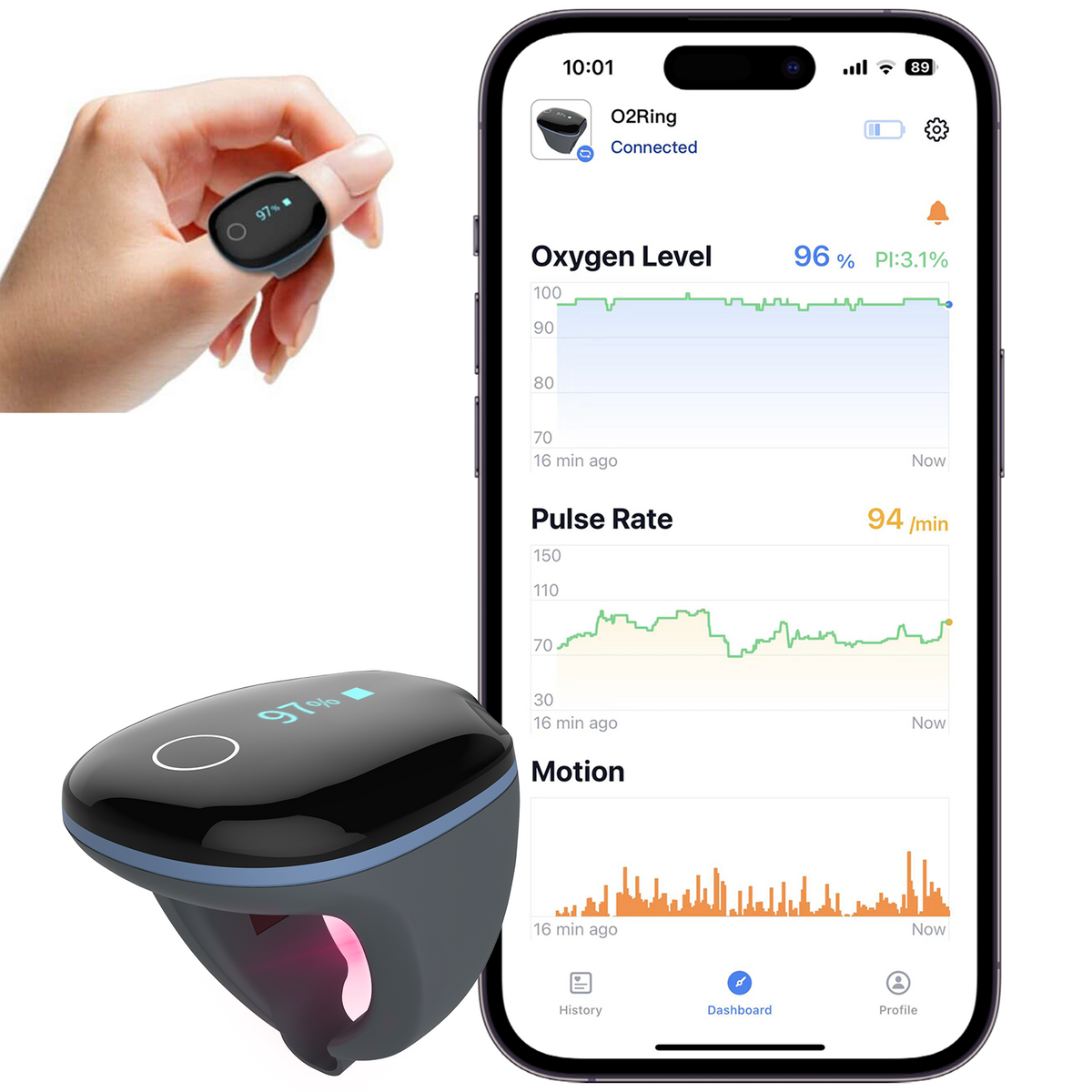
Oxygen Monitor Ring Price Comparison: Value, Features & Who Should Pay More (2026 Guide)
Key Takeaways
- Oxygen monitor ring prices vary based on data quality, comfort, and reporting features.
- Entry-level rings are reliable for basic overnight tracking, but premium models add deeper integration and reporting.
- Consider your specific goals—sleep therapy, blood pressure, or device data sharing—when weighing price-to-value.
- Choosing a ring with a secure fit and proper support ensures lasting accuracy and satisfaction.
Introduction: Why Compare Oxygen Monitor Ring Prices in 2026?
In 2026, more people than ever rely on overnight oxygen monitoring at home. Whether you’re managing sleep apnea, using CPAP or BiPAP therapy, or want the best overnight oxygen monitor for home use, a wearable pulse oximeter ring offers freedom and peace of mind. But with so many choices—and a wide range of prices—knowing what you’re paying for (and whether it’s worth it) is essential. That’s where a practical price comparison becomes invaluable.
What Is an Oxygen Monitor Ring and Who Needs One?
An oxygen monitor ring is a compact device worn on your finger, continuously tracking blood oxygen (SpO2) and pulse overnight. Unlike spot-check fingertip oximeters, these rings automatically log data while you sleep, alerting you to drops with vibration alarms. They’re ideal for people with sleep-disordered breathing, those using CPAP/APAP/BiPAP, or anyone wanting detailed sleep oximetry reports to discuss with their provider.
Typical users include those screening for undiagnosed sleep apnea, monitoring the effectiveness of sleep therapy devices, or seeking a wellness edge with continuous data. If you’ve ever wondered what to look for when buying a blood pressure monitor or how to best share health reports with your doctor, a quality oxygen ring can be a central piece of your home toolkit.
Key Features to Consider When Buying an Oxygen Monitor Ring
- Continuous Tracking vs. Spot Checks: True overnight rings like the O2Ring provide seamless data without manual input, which is essential for catching nighttime fluctuations.
- Alerts & Data Export: Vibration alarms for low oxygen, easy-to-read app reports, and quick data sharing with providers make ongoing use practical.
- Fit & Comfort: Options like the Oxygen Monitor for Small Fingers ensure all users get accurate readings, regardless of finger size. Comfort is crucial for all-night wear.
Oxygen Monitor Ring Price Comparison: What You Get at Each Price Point
Entry-Level: Affordable Oxygen Monitor Rings and Basic App Features
Budget rings usually offer continuous oxygen and pulse tracking with simple apps. They’re suitable if you only need basic overnight oxygen data and don’t plan on frequent report sharing or device integration. Fit and finish may be simpler, and vibration alerts are often standard but less customizable.
Mid-Range: Enhanced Overnight Tracking and User-Friendly Reports
Mid-tier options add features like clear visual trend reports, easier exporting for sharing with your healthcare provider, and better app experiences. These models often appeal to users seeking the best home ECG monitor for report sharing or those with multiple conditions to track.
Premium: Medical-Grade Accuracy and Advanced Data Analysis
Premium rings reach for higher accuracy, longer battery life, and advanced analytics—including integration with sleep therapy devices and cloud-based report access. If you are serious about compliance tracking, integrating reports with other health apps, or simply want peace of mind, the extra cost may be justified.
Comparison Table: Oxygen Monitor Ring Price vs. Features (2026)
| Model | Price Range | Key Features | App & Reports | Best For | Fit/Comfort | Where to Buy |
|---|---|---|---|---|---|---|
| $ | Continuous SpO2, Vibration Alerts, USB Charging | Trend Reports, Export | Reliable overnight tracking | Standard adult fit | ||
| $$ | Dual pack, Vibration Alerts, App Sync | Export, Sharing | Families/multi-device users | Standard adult fit | ||
| $ | Continuous SpO2, Small size, Vibration | Trend Reports, Export | Children/small hands | 40–52mm circumference |

Who Should Invest in Premium Oxygen Monitor Rings?
If you have a complex sleep or respiratory disorder—or if your peace of mind depends on the most accurate, shareable data—a premium ring is a smart investment. This is especially true for those integrating sleep therapy devices or needing frequent, reliable reports for a provider. On the other hand, for general overnight trend monitoring, many users find entry and mid-tier models more than sufficient.
Buying Tips: How to Maximize Value When Choosing an Oxygen Monitor Ring
- Look for rings with fit options if you have small fingers or unique needs. The Oxygen Monitor for Small Fingers is purpose-built for this.
- Check for bundle deals, especially if you want a backup ring or need additional blood pressure monitoring tools. Affordable blood pressure monitors with app integration can round out your home setup for comprehensive tracking.
- Prioritize warranty support and app updates—these often matter more over time than a small price difference.
Understanding and Using Your Device Data
Most rings produce overnight oxygen and pulse trend reports automatically, viewable in their companion app. These summaries help you spot drops, trends, and correlations—useful for both self-awareness and sharing with your provider. If you’re monitoring multiple parameters (like blood pressure or ECG), look for devices and apps that support easy report sharing and aggregation. For those wondering what a 24 hour blood pressure monitor looks like: these are typically larger cuffs with digital displays, not rings, but some systems support pairing or combined reporting for a fuller health picture.
Cleaning, Maintenance, and Longevity of Oxygen Monitor Rings
Routine cleaning—using a soft, damp cloth—keeps sensors accurate. Avoid harsh chemicals, and always dry thoroughly before charging. Check for firmware/app updates regularly for best performance. If readings become erratic or the battery life drops significantly, it may be time to replace your device. Rings designed for continuous use are generally robust, but proper care maximizes both accuracy and lifespan.
Who This Is For
If you need overnight oxygen tracking for sleep therapy, wellness monitoring, or want to easily share sleep oximetry reports with your healthcare provider, a modern oxygen monitor ring is a worthwhile upgrade. Those with small fingers or unique sizing needs should focus on models designed for fit, while users with advanced monitoring requirements (integrated sleep therapy, detailed trend analysis) should consider paying for premium features.
If you’re unsure which to choose: start with a standard or small-finger model if you mainly want reliable overnight oxygen trends. If you need advanced analytics, seamless app sharing, or integration with other health devices, look at premium models or bundles.
Conclusion: Choosing the Right Oxygen Monitor Ring for Your Needs and Budget
The current generation of oxygen monitor rings makes overnight monitoring accessible and practical for almost anyone. For most, the O2Ring Continuous Ring Oxygen Monitor hits the sweet spot for price, comfort, and report quality—especially if you’re seeking the best overnight oxygen monitor for home use. If you have smaller hands, the dedicated small-finger version is your best bet. Ultimately, match the ring to your monitoring needs and budget, and you’ll get reliable, actionable data night after night.
Product Images
