Quick take
We break down who this device is best for, what it measures, and how it compares in the market.
Introduction: Understanding the Oxygen Desaturation Index (ODI)
For anyone monitoring their overnight oxygen or sleep health at home, the Oxygen Desaturation Index (ODI) is more than just a number—it's a key early warning sign. Whether you're managing sleep apnea, evaluating the need for supplemental oxygen, or simply want peace of mind, understanding your ODI puts practical insight in your hands. This guide breaks down what ODI means, how to read your overnight oxygen reports, and what to do with the data, using current device options available in 2026.
Key Takeaways
- ODI counts how many times your blood oxygen drops during sleep. It’s a central metric for sleep apnea risk and overnight oxygen monitoring.
- Your ODI can guide conversations with your doctor and help inform decisions about sleep therapy devices or supplemental oxygen at home.
- Modern devices like oxygen monitor rings make it easy to track, interpret, and share ODI data.
- Accurate ODI readings depend on proper device setup and regular maintenance.
- Compare devices, features, and costs before buying—and know when to seek professional advice.
Breaking Down the Oxygen Desaturation Index Meaning
How ODI is Calculated in Overnight Oxygen Monitoring
ODI stands for Oxygen Desaturation Index. It measures the number of times per hour your blood oxygen saturation (SpO2) drops by a set percentage—usually at least 3% or 4%—from your baseline while you’re asleep. Each drop ("desaturation event") is typically caused by a pause in breathing or shallow breaths, as seen in conditions like sleep apnea or certain lung disorders.
Plain-Language Interpretation: What Your ODI Number Tells You
A low ODI (close to zero or just a few events per hour) usually suggests your blood oxygen stays stable while you sleep. A higher ODI means your oxygen levels are dropping more often, which can signal interrupted sleep, possible breathing issues, or unaddressed respiratory conditions. ODI does not diagnose a disorder on its own, but a high ODI is a flag worth discussing with your healthcare provider.
ODI vs. Other Core Metrics: SpO2 Drops, Average Oxygen, and Event Counts
ODI focuses on the frequency of oxygen drops, not just the average or lowest SpO2 values. For example, your average SpO2 could look normal, but frequent desaturations (high ODI) may still indicate risk. In contrast, event counts tell you how many times something happened, but ODI standardizes this to "per hour," making it easier to compare across nights or between people.
Actionable Steps After Reviewing Your ODI Results
When to Discuss ODI Findings with Your Healthcare Provider
If your ODI is consistently above a low threshold (often 5 or more per hour—but always confirm with your provider), or if you notice new symptoms like daytime fatigue or morning headaches, it's time for a discussion. Bring your device report, and note any patterns—consistency matters more than a single night's result.
Common Follow-Up Questions to Ask About Your Overnight Oxygen Data
- Is my ODI high enough to warrant further testing or a change in therapy?
- How does my ODI relate to my overall sleep quality and symptoms?
- Should I adjust my CPAP/APAP/BiPAP device or consider supplemental oxygen?
How ODI Impacts Sleep Therapy Device (CPAP/APAP/BiPAP) Selection
ODI can help reveal whether your current sleep therapy is effective. For example, if you use a CPAP and still see a high ODI, your settings or mask fit may need adjustment. Sometimes, persistent ODI elevations guide healthcare professionals to recommend alternative therapies or supplemental oxygen alongside PAP treatment.
Devices That Measure ODI: Features and How-To Guides
Choosing the Best Overnight Oxygen Monitor for Home Use
For continuous, comfortable tracking, wearable devices such as the O2Ring Continuous Ring Oxygen Monitor offer a user-friendly solution. This smart ring tracks SpO2 and pulse rate all night and provides vibration alerts for low oxygen, making it ideal for those with sleep apnea or on oxygen therapy. The O2Ring is best for anyone wanting clear overnight insights without bulky wires or finger clips. One limitation: it requires smartphone app setup, which may not suit everyone. In practice, it suits people who want to monitor therapy effectiveness or alert themselves when oxygen drops overnight.

Oxygen Monitor Ring Price Comparison: Value vs. Features
When comparing oxygen monitor ring price options, consider not only the upfront cost but also comfort, app usability, and data export features. The O2Ring sits at the lower end of the price spectrum for medical-grade overnight monitoring, especially considering its continuous tracking and vibration alert features. Look for bundled deals or dual packs if you need backup devices or want to monitor a partner.
Device Setup: Ensuring Accurate ODI Readings
- Fully charge your device before sleep.
- Fit the ring snugly, but not tightly, on your preferred finger (check for the right size if you have small fingers—dedicated models are available).
- Pair the device with its app and confirm data syncing.
- Start recording before you go to bed, and wear the device all night.
- In the morning, export or view your detailed report, focusing on ODI and related metrics.
Interpreting and Printing Device Reports at Home
Modern apps let you see your ODI, average SpO2, lowest SpO2, and event counts in a simple dashboard. You can often print or export these reports to share with your provider. Look for consistent patterns across several nights, and make note of any alerts or vibration alarms you received.
ODI and Portable Oxygen: What Home Users Need to Know
When to Consider Supplemental Oxygen: ODI as a Trigger
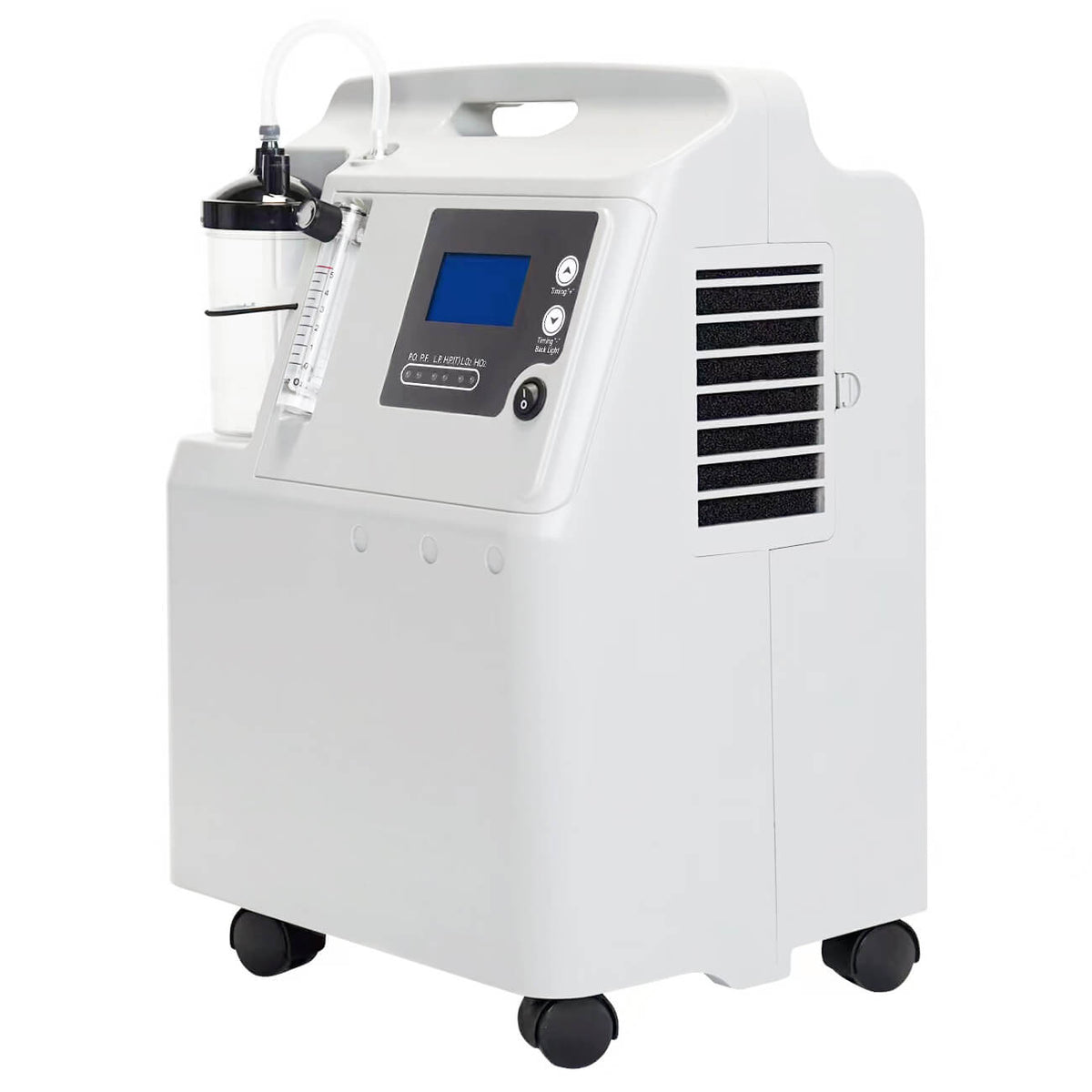
Consistently high ODI readings can prompt a conversation about supplemental oxygen, especially if you already use PAP therapy and still see frequent drops. Devices like the 5L Oxygen Concentrator offer continuous, medical-grade oxygen delivery for home users with confirmed needs. This model is best for those needing round-the-clock support and can be used in tandem with overnight monitoring devices.
Portable Oxygen Concentrator Buying Guide and Cost Considerations
When evaluating the best portable oxygen concentrator for travel, balance size, battery life, and oxygen output. The Wellue 5L unit is lightweight and offers simple controls, making it travel-friendly. For cost, weigh the price of the initial device, required accessories, and maintenance. For detailed breakdowns, see a portable oxygen concentrator cost guide before committing.
Portable Oxygen Concentrator vs. Oxygen Tank: Pros and Cons
| Feature | Portable Oxygen Concentrator | Oxygen Tank | Best For |
|---|---|---|---|
| Oxygen Supply | Unlimited (with power) | Limited to tank capacity | Concentrator: Long-term use; Tank: Backup/emergency |
| Weight | Lightweight, portable | Heavy, less portable | Concentrator: Travel; Tank: Home/emergencies |
| Maintenance | Requires regular upkeep | Minimal (refill/replace) | Concentrator: Regular users; Tank: Occasional use |
| Winner | Concentrator for ongoing home/travel, tank for backup only | ||
Troubleshooting Steps and How to Fix a Noisy Portable Oxygen Concentrator
If your concentrator becomes noisy, check for loose filters, clogged intakes, or uneven surfaces. Ensure it's placed on a flat, stable area. Regularly clean the intake filter and contact support if the noise persists—a portable oxygen concentrator troubleshooting steps checklist is often included in the user manual.
Device Cleaning & Maintenance: Keeping Your Data Accurate
Best Practices for Cleaning Oxygen Monitors and Portable Concentrators
- Wipe devices with a soft, damp cloth—avoid harsh chemicals.
- Regularly clean or replace filters per manufacturer instructions.
- Sanitize wearable sensors with alcohol wipes after each use.
Maintaining Reliable Performance for Long-Term Home Use
Log battery levels, check for software updates, and keep your device dry and well-ventilated. Proper care ensures long-term accuracy, so you can trust your ODI and related SpO2 readings.
Summary Table: ODI and Related Home Oxygen Monitoring Metrics
| Metric | What It Measures | Usual Range* | Actionable Criteria |
|---|---|---|---|
| Oxygen drops/hour (≥3% or ≥4%) | <5 (normal), 5-15 (mild), 15-30 (moderate), >30 (severe) | ||
| Average overnight oxygen % | 95-100% | ||
| Lowest recorded oxygen % | >88% | ||
| Event Count | Total desaturation events | Varies by recording length | Look for trends over time |
*Ranges are for informational purposes only and may vary depending on your health status. Always consult your healthcare provider for personalized interpretation.
Who this is for
This guide is for adults and caregivers using—or considering—home overnight oxygen monitoring, sleep apnea assessment, or portable oxygen support. It's especially helpful if you want to better understand device reports and data, compare options, or know when to seek professional input.
If you're unsure which device suits you, start with a wearable monitor like O2Ring for overnight trend tracking. If your reports show frequent desaturations or your provider recommends it, consider a medical-grade concentrator for ongoing support.
Conclusion: Using ODI to Improve Your Sleep and Oxygen Health
ODI offers a window into your overnight breathing and oxygen stability. By learning how to read and act on this metric, you gain control over your home monitoring journey. For most, an accurate, comfortable wearable like the O2Ring delivers the right balance of insight and ease. If you require supplemental oxygen, the Wellue 5L Oxygen Concentrator stands out for reliable support at home or on the move. Above all, use your ODI as a guide—not a diagnosis—and always connect with your healthcare provider to shape your care plan.