Quick take
We break down who this device is best for, what it measures, and how it compares in the market.
Tracking how your heart responds to medication—especially for conditions like hypertension, arrhythmia, or heart failure—used to mean regular clinic visits and occasional ECGs. Today, home ECG monitors put more insight in your hands. Used wisely, they help you and your healthcare provider see if a medication is working as intended or if side effects are emerging. Here’s how to use a home ECG monitor for medication effect tracking safely and effectively.
Key Takeaways
- Home ECG monitors help you observe how your heart reacts to medication adjustments without leaving home.
- Accurate results depend on following your provider’s guidance and maintaining consistent, high-quality recordings.
- Look for trends, not just single readings, and always combine ECG data with symptom tracking and medical advice.
- Most importantly, don’t act on ECG findings without consulting your healthcare team.
Who This Is For
If you’re managing a heart-related condition and your doctor suggests monitoring at home—especially after starting, stopping, or adjusting medication—home ECG tracking may be right for you. This guide is also valuable for caregivers and family members who support loved ones using medications that can affect heart rhythm or rate. Always start with your provider’s approval and instructions.
Introduction: Why Track Medication Effects with a Home ECG Monitor?
Benefits of Home ECG Monitoring in Medication Management
Some medications—like beta-blockers, antiarrhythmics, certain antidepressants, or even treatments for high blood pressure—can impact your heart’s rhythm and electrical activity. Traditional ECGs in clinics give just a snapshot. Home ECG monitors, especially those with continuous or frequent recording, let you and your provider see changes as they happen, in your normal environment. This can help catch problems early, fine-tune dosages, and improve peace of mind.
Who Can Benefit from ECG-Based Medication Tracking?
Anyone whose medication may affect heart rhythm or rate can benefit, under medical supervision. This includes people starting new heart medicines, those with a known arrhythmia, or patients whose drugs have potential cardiac side effects that should be monitored.
Understanding Home ECG Monitors and Their Capabilities
What Is a Home ECG Monitor?
A home ECG monitor is a compact device that records your heart’s electrical activity. Options range from spot-check handheld devices to 24-hour wearable monitors. Some offer AI-powered analysis to help spot rhythm trends or irregularities, making them especially useful for tracking medication effects over time.
Features Relevant for Medication Monitoring
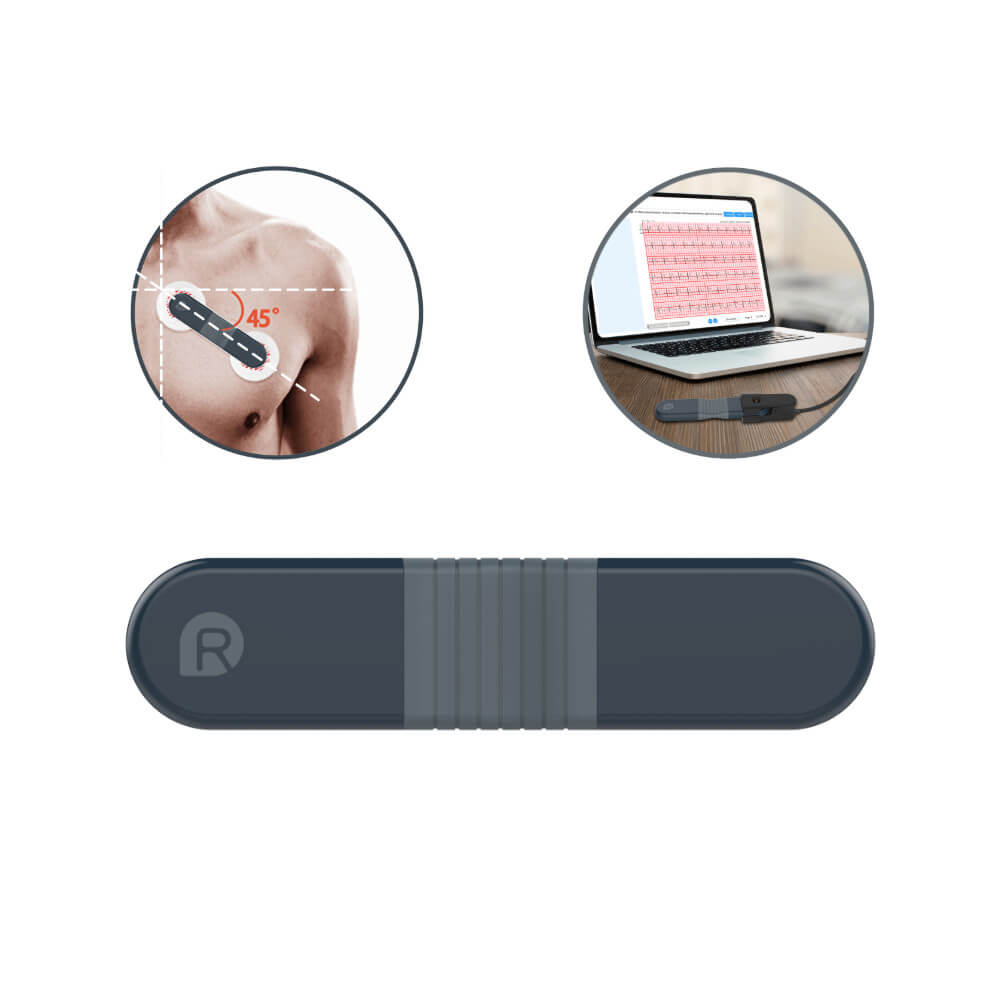
- Continuous ECG Recording: Ideal for identifying trends and subtle changes (e.g., Wellue 24-Hour ECG Monitor).
- AI Analysis: Can highlight changes in rhythm or rate, flagging data for review.
- Exportable Reports: Allows easy sharing with your healthcare provider.
Limitations and Intended Uses
Home ECG monitors are not diagnostic tools. They support, but don’t replace, medical judgment. Some devices offer only single-lead ECGs; these are generally enough for basic rhythm monitoring but not for complex diagnoses. Always use your device as instructed and consult your provider with concerns.
Preparing for ECG-Based Medication Effect Tracking
Consult Your Healthcare Provider Before Starting
Before using a home ECG monitor for medication effect tracking, ask your provider:
- Is home ECG monitoring appropriate for my medications?
- What schedule and parameters should I track?
- What symptoms or ECG changes warrant immediate contact?
Selecting a Suitable Device
Choose a device that matches your needs and comfort. For routine, longer-term monitoring, the Wellue 24-Hour ECG Monitor is a strong choice, offering portable, continuous recording and easy report export. For quick daily checks, the Wellue ECG 1000 ECG Data Management System is simple to use and integrates with data management software for easy sharing.
Setting Up Your Device
- Review the manufacturer’s manual and setup videos.
- Ensure proper electrode placement for reliable readings (usually chest or wrist, depending on the model).
- Pair with any required app or computer software for data transfer and report generation.
- Practice a few recordings before starting your tracking protocol.
Step-by-Step Guide: Tracking Medication Effects with ECG Data
- Establish a Baseline: Record your ECG before starting or changing medication. Note your resting state—avoid caffeine, stress, or exertion.
- Track After Medication Changes: Follow your provider’s timing recommendations (e.g., 1 hour, 12 hours, 24 hours after the first dose or adjustment).
- Ongoing Tracking: Continue daily or weekly ECGs as advised, especially during the early weeks of a new medication.
- Symptom Log: Document any symptoms (palpitations, dizziness, fatigue) and correlate their timing with ECG recordings.
- Export and Share: Use device features to generate and send reports to your healthcare provider as scheduled.
Consistency is key. Always use the same device, placement, and posture for each recording when possible.
Interpreting Home ECG Data for Medication Monitoring
Key ECG Parameters Affected by Medications
- Heart Rate: Some medications slow or speed up your heart rate.
- Rhythm: Look for irregular beats or patterns.
- QT Interval: Certain drugs can lengthen this interval, which may increase risk for arrhythmias.
Using Device Reports and AI Analysis
Many devices now offer trend graphs and simple flags for abnormal findings. The Wellue 24-Hour ECG Monitor, for example, uses AI to highlight potential rhythm changes, but you should always review these with your provider. Never rely on automated analysis alone.
Recognizing Significant Changes
Notify your provider if you notice new or worsening symptoms, sudden rate changes, or device alerts indicating new arrhythmias. Don’t panic if you see minor, isolated variations—context and clinical advice matter most.
Tips for Accurate and Consistent ECG Monitoring at Home
- Record at the same time each day, in a relaxed state.
- Maintain clean skin and proper electrode contact.
- Store and back up your recordings; an ECG management system, like the Wellue ECG 1000, can help keep records organized and easy to share.
- Avoid common pitfalls: poor placement, dry skin, and movement during recording can all cause inaccurate readings.
Safety, Privacy, and When to Seek Medical Advice
FDA Guidance on Home Medical Devices
Choose FDA-cleared devices when possible and use them only as directed (FDA source). Always treat your ECG monitor as a wellness tool—not a substitute for professional care.
Recognizing Urgent Signals
Seek immediate help if you experience chest pain, shortness of breath, fainting, or if the device shows a new, sustained arrhythmia—especially with symptoms.
Data Security and Sharing
Use secure apps or encrypted email to send data to your provider. Keep your device software updated to maintain privacy and data integrity.
Conclusion: Empowering Informed Medication Decisions with Home ECG Monitoring
By integrating home ECG monitoring into your medication routine, you gain a practical way to observe how your heart responds—supporting more informed discussions with your healthcare provider. Used thoughtfully, these tools can add peace of mind and help fine-tune your care, but they are not a substitute for clinical oversight. If you’re unsure where to start, ask your provider which device and schedule fit your needs best. For most people, the Wellue 24-Hour ECG Monitor offers the most comprehensive insight, but for quick daily checks, the Wellue ECG 1000 is a smart, accessible alternative.
Frequently Asked Questions (FAQ)
- What types of medications can affect ECG readings at home?
Beta-blockers, antiarrhythmics, some antidepressants, and various heart medications can alter heart rate or rhythm. Always check with your provider if your medication warrants home ECG monitoring. - How often should I record an ECG when starting a new medication?
Follow your provider’s recommendations—often daily for the first week, then less frequently as advised. - Are home ECG monitors accurate enough for medication effect tracking?
Most modern monitors are reliable for observing trends, but hospital-grade ECGs remain the gold standard for diagnosis. Home monitors are best used for supplementary tracking and communication with your provider. - What should I do if I notice abnormal ECG changes after a medication adjustment?
Contact your healthcare provider promptly, especially if you have symptoms like dizziness, chest pain, or palpitations. - Can I share my home ECG data directly with my doctor?
Yes, most devices support exporting reports that can be emailed or uploaded to patient portals. Always use secure methods to protect your privacy.
