Quick take
We break down who this device is best for, what it measures, and how it compares in the market.

For many people with sleep apnea and chronic lung or heart conditions, getting quality rest requires more than a single device. Combining CPAP or BiPAP therapy with supplemental oxygen addresses both airway obstruction and low blood oxygen levels—a common scenario for those with complex needs. But using a sleep therapy device with an oxygen concentrator at home involves more than just plugging things in. Safety, effectiveness, and comfort all depend on proper setup, the right gear, and attention to detail. Here’s how to do it right.
Who This Is For
If you use CPAP, APAP, or BiPAP for sleep apnea and your provider has prescribed supplemental oxygen—maybe due to COPD, pulmonary fibrosis, or cardiac issues—this guide is for you. It’s also useful for caregivers and anyone wanting to understand the basics of combining CPAP and oxygen concentrators at home.
Key Takeaways
- Always consult your healthcare provider before combining a sleep therapy device with supplemental oxygen.
- Use only FDA-cleared equipment and follow prescription guidelines for safety and effectiveness.
- Continuous monitoring (with devices like the O2Ring) can help ensure proper oxygen delivery overnight.
- Proper setup, cleaning, and maintenance are critical for safe and reliable home therapy.
- Recognize and address common issues promptly to maintain comfort and therapy effectiveness.
Understanding Sleep Therapy Devices and Oxygen Concentrators
What Is a Sleep Therapy Device? (CPAP, APAP, BiPAP)
Sleep therapy machines deliver pressurized air to keep your airway open during sleep. CPAP provides constant pressure, APAP adjusts pressure automatically, and BiPAP offers two pressure levels for inhalation and exhalation. These devices do not add oxygen but help treat sleep-disordered breathing.
Role of Home Oxygen Concentrators in Sleep Therapy
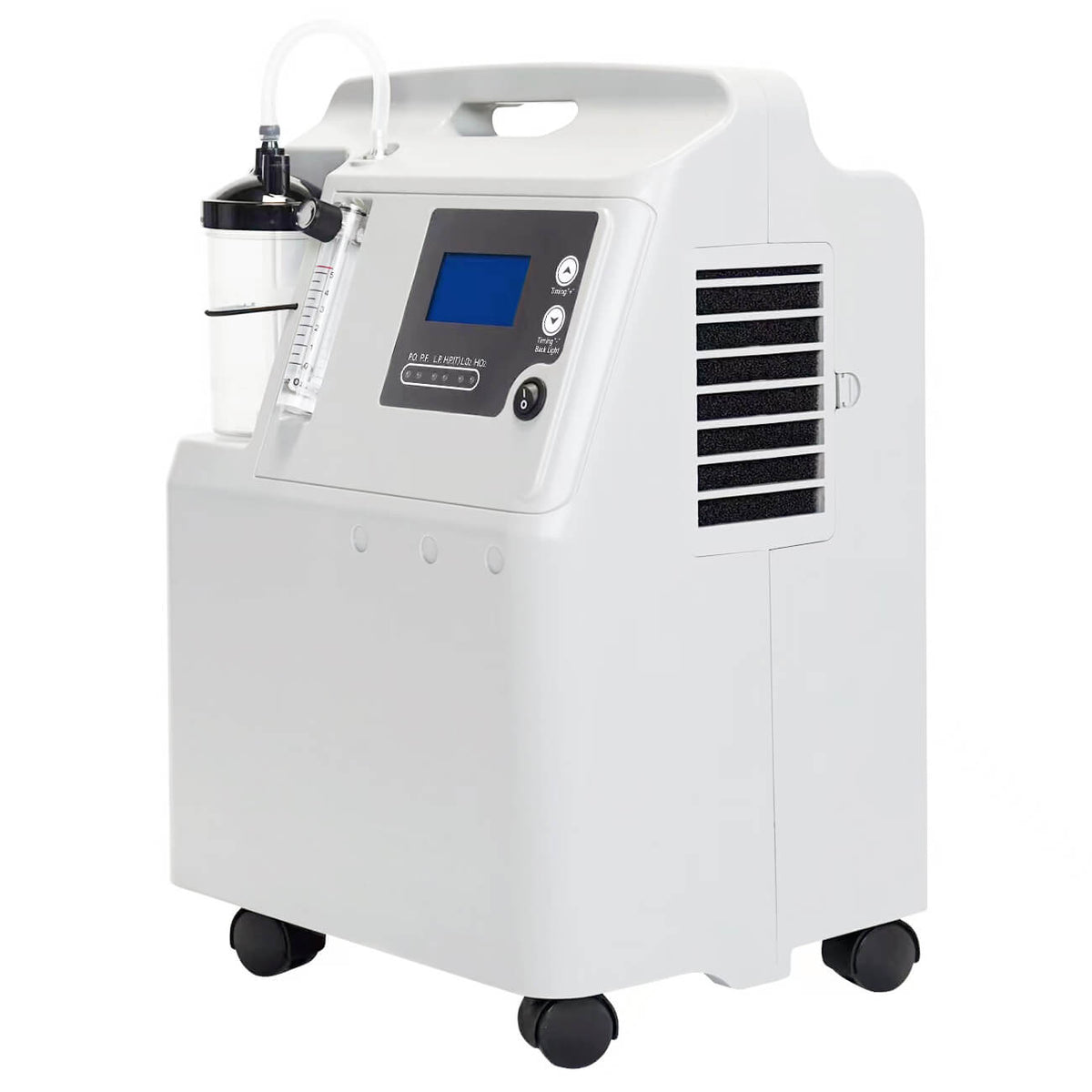
Oxygen concentrators, such as the Wellue 5L Oxygen Concentrator, filter room air to deliver concentrated oxygen. They support people whose oxygen saturation drops below healthy levels—especially while sleeping.
Who Needs to Combine CPAP and Supplemental Oxygen?
Patients with overlapping sleep apnea and hypoxemia, or those with lung/cardiovascular conditions, are often prescribed both therapies. Your physician will determine if combining CPAP and an oxygen concentrator is right for you.
Safety First: Precautions Before Combining CPAP and Oxygen Concentrator
Consulting Your Healthcare Provider and Prescription Requirements
Never attempt to combine therapies without explicit medical guidance. Oxygen is a prescribed therapy and can be harmful if used incorrectly. Your provider will determine the correct oxygen flow rate and device settings.
FDA-Cleared Devices: Why Device Approval Matters
Use only FDA-cleared equipment for both sleep therapy and oxygen delivery. This ensures the devices meet safety, accuracy, and reliability standards for medical use at home (FDA Medical Devices).
Key Safety Tips for Using Oxygen with Sleep Therapy Machines
- Keep oxygen equipment away from flames, heat sources, and smoking areas.
- Secure tubing to avoid tripping or pulling during sleep.
- Do not modify devices or tubing unless instructed by your provider.
Step-by-Step Guide: Using a Sleep Therapy Device with Oxygen Concentrator
Gathering Necessary Equipment
- CPAP, APAP, or BiPAP machine (prescribed and set up for your needs)
- Home or portable oxygen concentrator (with tubing and cannula or connector)
- Oximeter (such as the O2Ring) for overnight oxygen monitoring
- Y-connector or oxygen bleed-in adapter (check your device’s compatibility)
How to Connect Your Oxygen Concentrator to a Sleep Therapy Device
- Attach the oxygen tubing from your concentrator to the dedicated oxygen port on your CPAP/BiPAP mask or via a bleed-in adapter between the device and tubing. Do not connect oxygen directly into the humidifier chamber.
- Double-check all connections are secure and that tubing is not kinked.
- Turn on your oxygen concentrator first, then start your sleep therapy machine.
Setting Oxygen Flow Rate and Device Settings
Set the oxygen concentrator’s flow rate exactly as prescribed (usually between 1-5 L/min for home units like the Wellue 5L). Adjust sleep therapy device settings only as advised by your provider.
Monitoring Your Oxygen Levels
Use an oximeter or wearable like the O2Ring to continuously track your oxygen saturation overnight. This helps confirm that the combined therapy is delivering adequate oxygen. Share your data with your provider as recommended.
Ensuring Proper Mask Fit and Comfort for Combined Therapy
Using oxygen with a sleep therapy machine can change how the mask feels. Make sure your mask fits well and is comfortable—leaks can reduce therapy effectiveness and oxygen delivery.
Troubleshooting Common Issues When Combining CPAP and Oxygen
Managing Condensation and Rainout
Adding oxygen may increase condensation in tubing (rainout). Use heated tubing or adjust room humidity to minimize water buildup.
Addressing Leaks or Discomfort
If you notice whistling, hissing, or discomfort, check all connections and mask fit. Replace or reseat tubing as needed. Persistent leaks require a mask refit or different size.
Recognizing Signs of Insufficient Oxygen Delivery
Symptoms like morning headaches, confusion, or persistent low oximeter readings (<92%) should be reported to your provider promptly.
Cleaning and Maintenance for Combined Therapy Devices
Daily and Weekly Device Cleaning
Clean your mask, tubing, and water chamber (if used) daily. Wipe down the oxygen concentrator’s exterior and clean intake filters weekly. Follow each manufacturer’s instructions for best results.
Maintaining Tubing and Filters for Safe Use
Inspect all tubing for cracks or buildup; replace as needed. Dirty filters reduce both oxygen purity and airflow.
Routine Checks for Portable Oxygen Concentrators
Portable units like the Wellue Portable Oxygen Concentrator need regular battery checks and maintenance. Always recharge fully before use and inspect for any signs of wear.
Reading Device Reports and Tracking Your Therapy Progress
Interpreting CPAP and Oxygen Concentrator Data
Most sleep therapy devices and concentrators provide data on usage, flow rates, and (with oximeters) overnight oxygen saturation. Review your nightly reports regularly to ensure therapy is on track.
Using Real-Time O2 Feedback and Oximetry Reports
Some portable concentrators offer real-time O2 feedback, allowing you to spot problems quickly. Oximetry reports (e.g., from the O2Ring) track your SpO2 and pulse trends—share these with your provider for therapy adjustments.
When to Contact Your Provider About Therapy Results
If your reports show frequent low oxygen readings, device alarms, or you have new symptoms, contact your provider without delay.
If You’re Unsure
If you’re new to using oxygen with a sleep therapy machine, start by asking your provider: Is my equipment compatible? What flow rate should I use? Do I need extra monitoring? When in doubt, stick to your prescription and seek professional advice before making changes. For setup help, look for device-specific how-to guides from trusted sources.
Product Spotlight
The Wellue Portable Oxygen Concentrator with O2 Monitor stands out for its compact build and real-time O2 feedback. Ideal for users who need supplemental oxygen beyond the bedroom, this unit is easy to transport and delivers reliable oxygen purity. Its best use-case is for active individuals or those who travel, but be aware that battery life may require planning for longer outings. Routine maintenance—like cleaning filters and checking connections—keeps performance consistent. For homebound users prioritizing 24/7 operation, the Wellue 5L Oxygen Concentrator (not pictured) offers continuous oxygen delivery and robust alarm systems, making it a strong alternative for stationary setups.
Conclusion: Enhancing Sleep Therapy with Oxygen—What to Expect
Combining sleep therapy devices with supplemental oxygen at home can dramatically improve comfort and health for the right user. With proper setup, continuous monitoring, and regular maintenance, you can safely manage both therapies and sleep with peace of mind. When in doubt, lean on your provider and reputable device guides for support. For portability and real-time O2 data, the Wellue Portable Oxygen Concentrator is a top pick; for all-night, high-volume needs, the 5L home unit is a reliable alternative.