Quick take
We break down who this device is best for, what it measures, and how it compares in the market.

Why Track Overnight Oxygen Saturation?
Many people use overnight oxygen monitors at home to catch potential issues their bodies can’t sense while asleep. Whether you live with sleep apnea, use CPAP or oxygen therapy, or simply want peace of mind, tracking your overnight SpO2 (blood oxygen saturation) can highlight silent dips that may impact your health and sleep quality. Even if you feel fine, patterns in your overnight data can point to trends worth discussing with your doctor.
Who This Is For
- Anyone with diagnosed or suspected sleep apnea, COPD, or other respiratory conditions
- CPAP/APAP/BiPAP users wanting to verify therapy effectiveness
- People seeking the best overnight oxygen monitor for home use
- Caregivers tracking loved ones’ sleep health or medication effects
Key Takeaways
- Focus on average, minimum, and time spent below 90% (T90) when reviewing your report.
- Look for repeated drops or long periods of low oxygen—these are worth showing your doctor, especially if you have symptoms.
- Choosing a device that makes report sharing simple can help you get the most value from your data.
- Consistent device setup and cleaning help ensure reliable readings.
- Combining overnight SpO2 with blood pressure or ECG monitoring provides a fuller health picture.
What Is an Overnight SpO2 Report?
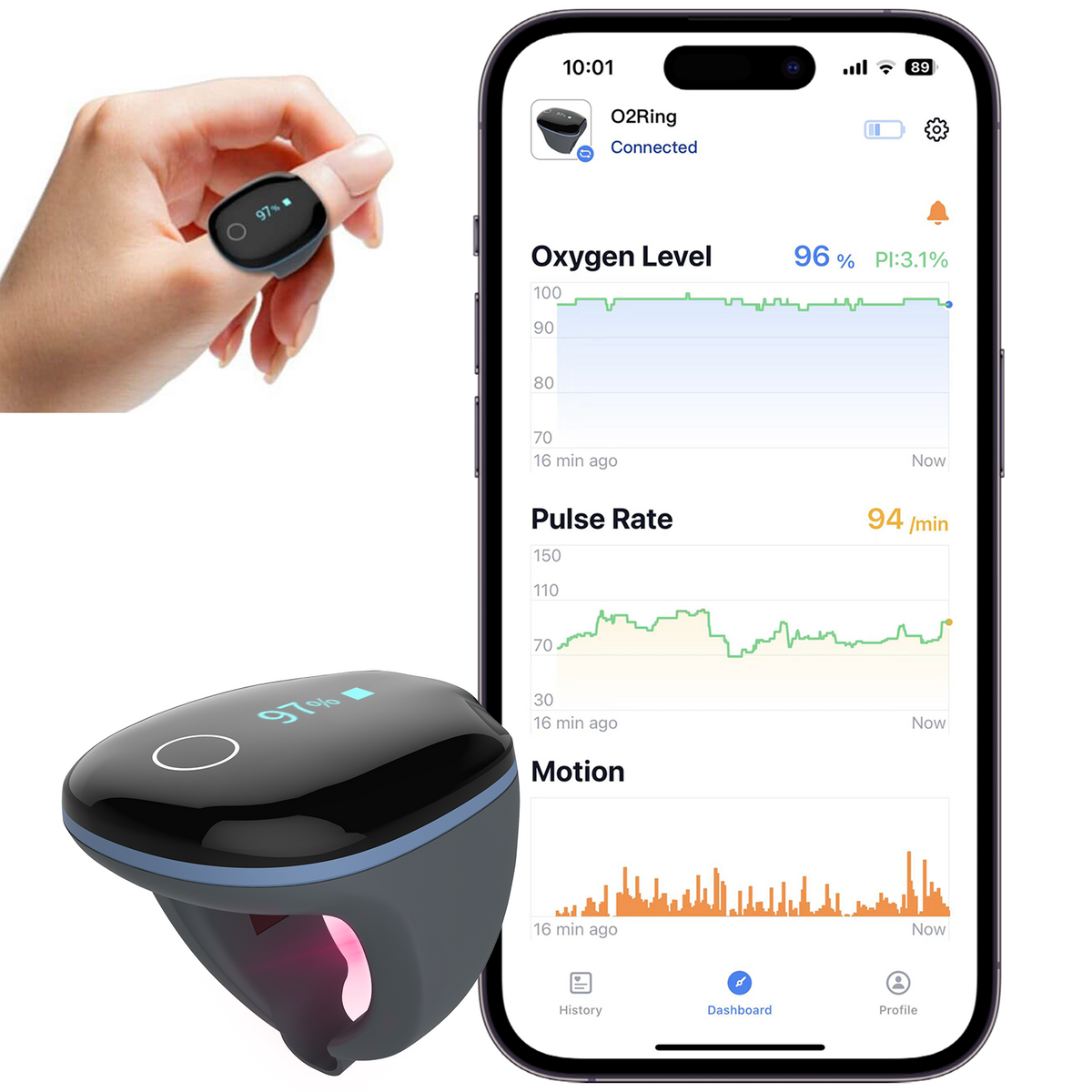
Overnight SpO2 reports are summaries generated by continuous pulse oximeters that track your blood oxygen and pulse rate while you sleep. Devices like the Wellue O2Ring and similar wrist or ring monitors record thousands of readings overnight, then present the results as graphs, tables, and summary stats in a morning report. The best overnight oxygen monitor for home use is usually one that fits comfortably, tracks all night without slipping, and makes the data easy to review and share.
How SpO2 Is Measured During Sleep
Pulse oximeters use light sensors to detect changes in your blood’s oxygen saturation. Worn on your finger or wrist, they quietly log your SpO2 and pulse rate every few seconds, storing the data for review. No needles, no pain—just a painless, ongoing check-in as you rest.
Types of Devices That Generate SpO2 Reports
- Ring-style monitors (e.g., O2Ring): Comfortable and stable for all-night wear, especially if you toss and turn.
- Wrist monitors: Good for users needing a larger display or with circulation concerns.
- Clip-style pulse oximeters: Less ideal for overnight use due to potential for slipping off.
Core Metrics in an Overnight SpO2 Report
Average and Minimum Oxygen Saturation
The average SpO2 gives you a general sense of your oxygen levels through the night. Healthy sleepers typically stay above 94%. The minimum SpO2 shows your lowest recorded value—brief dips below 90% may be normal, but longer or repeated drops can be concerning.
Time Spent Below 90% (T90)
T90 is a key metric: it’s the total minutes or percentage of sleep time your SpO2 was under 90%. For most adults, any significant time below this threshold warrants a closer look (and a conversation with your healthcare provider).
Pulse Rate Trends
Many monitors also track your pulse rate. Noticing spikes or drops—especially at the same time as oxygen dips—can help identify events like apnea episodes or arrhythmias.
Event Counts: Drops, Dips, and Desaturation Events
Some reports count the number of times your SpO2 dropped by a certain percent (e.g., desaturation events ≥4%). A high number could suggest fragmented sleep, breathing disruptions, or ineffective therapy.
How to Read and Interpret Key Sections of Your Report
Graphs vs. Summary Tables
Most devices show a line graph of SpO2 and pulse rate over time. Look for long, deep drops or clusters of dips. Summary tables provide quick-statistics: average, minimum, total events, and T90. If your report flags certain events (like prolonged dips), pay close attention and note the timing—does it correspond to when you’re on your side, or when your CPAP mask might come loose?
Flagged Events and Alerts
Many modern devices—like the Wellue O2Ring—feature vibration alerts for low oxygen, waking you if your SpO2 falls too far. If your report highlights repeated alerts or you’re waking up feeling unrefreshed, share these findings with your provider.
How to Choose a Pulse Oximeter for Overnight Monitoring
When considering how to choose a pulse oximeter for overnight monitoring, look for a secure fit, long battery life, easy-to-read reports, and the ability to export or print results. Devices that sync to your phone or computer can make sharing results with your doctor much easier.
Actionable Follow-Up: What Your Results Might Mean
When Are Results Normal vs. Concerning?
For most adults, average SpO2 above 94%, minimal time below 90%, and few desaturation events indicate stability. If you see long stretches under 90%, repeated dips, or new symptoms (morning headaches, excessive sleepiness), these are reasons to check in with your care team.
Common Patterns Linked to Sleep Apnea, COPD, and Heart Disease
Clusters of dips or a sawtooth pattern often point to sleep apnea. Persistent low readings may suggest underlying lung or heart disease. Remember, the report isn’t a diagnosis but a conversation starter.
Questions to Ask Your Doctor
- Are my overnight oxygen levels within a safe range?
- Is my sleep therapy (CPAP/APAP/BiPAP) effective based on these results?
- Should we look at other tests, like a full sleep study or home ECG monitoring?
Sharing and Using Your SpO2 Data
Devices like the O2Ring make it simple to export PDF or CSV reports, which you can email or print for your provider. The best home ECG monitor for report sharing will complement your oxygen data, giving your doctor a broader picture if you have heart rhythm concerns as well.
If you use CPAP, APAP, or BiPAP, matching your overnight SpO2 report with your device’s session data can help confirm your therapy is working—or highlight mask leaks that need fixing.
Tips for Accurate Overnight Oxygen Monitoring
- Follow device setup steps carefully: wear it snugly, but not too tight.
- Charge your device before bed and check the sensor is clean.
- Regularly clean and maintain your device to ensure accurate readings—refer to your device’s guide for specifics.
When considering what to look for when buying a blood pressure monitor or oximeter, prioritize accuracy, comfort, and ease of report sharing.
Understanding Device Limitations and FDA Guidance
Most home oxygen monitors are considered general wellness devices, not replacements for medical-grade equipment or professional diagnosis (FDA). While many are accurate, always confirm concerning results with your healthcare provider. FDA clearance may offer added peace of mind, but even non-cleared devices can provide useful trends if you use them consistently and as directed.
Real-World Product Examples
| Device | Best For | Pros | Cons | Typical Use Case | Actions |
|---|---|---|---|---|---|
| Most users wanting comfort and overnight reliability | Continuous tracking, compact, easy data sharing | Not ideal for every finger size, requires app setup | Great for CPAP side sleeper who needs all-night SpO2 with alerts and automatic app export | ||
| Families or users needing backup/dual use | Same as above, plus always having a spare charged | Small form may be easy to misplace, app needed | Useful for partners or for those monitoring oxygen 24/7, ensuring you always have a device ready |

If You're Unsure
If you’re deciding between monitors, think about how you’ll use the data: Need easy sharing for your doctor? Go for a device with app export. Are you a CPAP side sleeper? Prioritize comfort and secure fit. If you worry about losing a small device, consider a wrist model or a dual-pack like the O2Ring x2.
Conclusion
Reading your overnight SpO2 report doesn’t require a medical degree—just a focus on the main numbers, a habit of checking for unusual trends, and a willingness to discuss what you find with your healthcare provider. For most people, the O2Ring offers a simple, effective way to capture and review all-night oxygen trends. If you want a backup, or need to monitor a family member, the O2Ring dual-pack is a practical alternative. Used consistently and paired with good communication with your care team, these devices put valuable sleep insights right at your fingertips.