Quick take
We break down who this device is best for, what it measures, and how it compares in the market.
Key Takeaways
- Home ECG reports highlight your heart rhythm, rate, and other core metrics—knowing the basics helps you spot what matters.
- AI-powered home ECGs flag concerning patterns but are not a substitute for clinical diagnosis. Always share unclear or abnormal results with your provider.
- The best home ECG monitor for report sharing offers clear exports and easy data management—ideal for ongoing communication with your care team.
- Reviewing serial reports and integrating ECG data with other home monitoring (like blood pressure or sleep therapy) offers a fuller picture of your heart health.
Introduction: Why Interpreting Home ECG Reports Matters
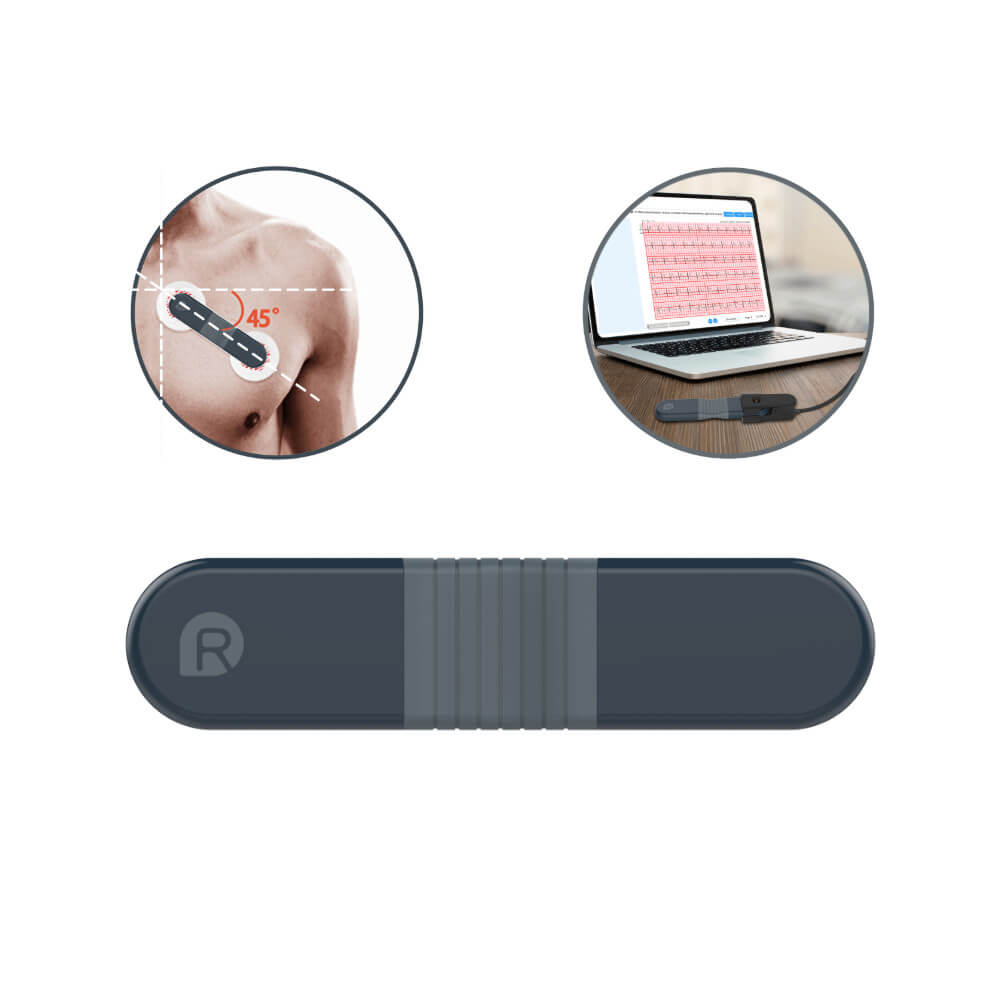
More people than ever are using home ECG and rhythm monitors to track their heart health—whether it’s for diagnosed arrhythmias, post-procedure follow-up, or simply peace of mind for those with risk factors. These devices, like the Wellue 24-Hour ECG Monitor, can capture subtle and fleeting abnormalities that might elude a brief clinic test. But once your app or device generates a report, what do you actually do with all those numbers, waveforms, and summaries? This guide walks you through the essentials: plain-language explanations, step-by-step interpretation, and practical advice for next steps.
Who This Is For
If you’re managing a known heart rhythm issue, have been told to monitor at home, or are simply curious about your heart’s patterns, this article is written for you. It’s also a practical resource for caregivers, tech-savvy seniors, and anyone considering whether a home ECG monitor is worth it.
Understanding Your Home ECG Report: Core Metrics Explained
Key terms: rhythm, rate, intervals, and waveform basics
- Heart Rhythm: The pattern of your heartbeats—"normal sinus" means the heart’s natural pacemaker is working as expected.
- Heart Rate: Beats per minute, usually shown as an average and a range.
- Intervals: PR, QRS, and QT intervals measure how electrical impulses travel through the heart; abnormal lengths can signal issues.
- Waveforms: The actual squiggly lines show each beat; significant changes or odd shapes can hint at underlying problems.
Typical report structure from popular home ECG monitors
Most devices offer a summary (normal vs. abnormal), a heart rate graph, and sometimes a sample waveform. Advanced models use AI to analyze patterns and provide plain-English flags like “Possible Atrial Fibrillation” or “Irregular Rhythm Detected.” Reports often include timestamps and allow export as PDF or image files for sharing.
How AI analysis is changing ECG interpretation
Modern home ECGs use AI to pick up common arrhythmias and flag out-of-range intervals. While this makes interpretation much more accessible, it's crucial to remember: AI is a screening tool, not a diagnosis. Always review concerning results with a professional.
Step-by-Step: How to Interpret Home ECG Report Results
- Identify your heart rhythm. Look for terms like “Sinus Rhythm” (normal), “Irregular Rhythm,” or named arrhythmias (e.g., “Possible AFib”). If the report is unclear or flags something new, don’t self-diagnose—flag it for your doctor.
- Review your heart rate and variability. Normal adult rates are generally 60–100 bpm, but context matters. Look for sudden spikes, dips, or notable variability—especially if you have symptoms.
- Analyze intervals (PR, QRS, QT). These are typically listed with reference ranges. Minor variations are often not urgent, but if the report marks them as “prolonged” or “shortened,” discuss with a healthcare provider.
- Recognize common abnormal findings. Reports may highlight skipped beats, pauses, or specific arrhythmias. If the device marks an event as urgent (red flag, or “seek medical attention”), don’t ignore it—even if you feel fine.
- Use device-generated summaries and flags. Many apps now provide a one-line summary (“No abnormality detected”) and flag sections that need review. Trust these as a cue, but not the final word.
Checklist: Interpreting a Home ECG Report
- Is the rhythm noted as normal sinus, or is there an irregularity?
- Is your average heart rate in the expected range?
- Are there any flagged intervals or notable comments?
- Did the device mark any urgent events?
- Are you experiencing symptoms (palpitations, dizziness, chest discomfort) that match the timing of flagged events?
Actionable Next Steps: When to Seek Medical Advice
Which findings warrant a call to your doctor?
Contact your provider if the report shows a new arrhythmia, persistent irregular rhythms, significant rate changes, or any flagged intervals—especially if you notice symptoms. If your device marks something as urgent (red flag), don’t wait.
What to do with inconclusive or unclear results
If the device can’t interpret your rhythm (“inconclusive”), repeat the recording. Persistent unclear results, especially with symptoms, should be discussed with your provider.
Sharing your report with healthcare providers
Choose a device with easy report export—like the ECG 1000 ECG Data Management System—for seamless sharing. PDF or image exports are typically accepted by most clinics.
Common Questions: Making Sense of Home ECG Monitoring
Home ECG monitor vs Holter monitor: What’s the difference?
Home ECG monitors offer spot checks or short-term monitoring (minutes to 24 hours). Holter monitors are prescribed for continuous recording over 24-72 hours and are overseen by your care team. If you need longer-term, physician-guided monitoring, Holter remains the gold standard. For day-to-day checks and tracking flagged events, a home ECG is more convenient.
Is a home ECG monitor worth it for you?
For those with known rhythm issues, unexplained palpitations, or a need to spot-check symptoms, a home ECG monitor can be valuable—especially when report sharing and trend tracking are priorities.
How to choose a home ECG monitor for your needs
Consider battery life, report export features, compatibility with your devices, and whether the device offers AI analysis. If sharing reports is important, opt for models with easy PDF or app-based exports.
Getting the Most from Your Device and Reports
- Tips for accurate readings: Stay still, relax, and follow placement instructions. Avoid movement and electronic interference during recording.
- Interpreting serial reports: Look for trends—are there increasing irregularities, or has your baseline changed?
- Integrate data: Correlate your ECG trends with blood pressure, overnight oxygen, and sleep device reports for a holistic view.
Reading and Sharing Reports: Privacy and Data Management
Most home ECGs store data locally or in secure cloud apps. Export options (PDF, JPG, XML) allow you to share results with providers. Check device privacy policies and, where possible, use encrypted export or secure cloud sync. The 12 Lead ECG Tablet is notable for quick report sharing and portable use.
If you're unsure
If you’re on the fence, ask yourself: Do I need to monitor daily, or just occasionally? Is sharing with my doctor a priority? If you have ongoing symptoms or a history of arrhythmia, a device with AI analysis and easy export is often the best home ECG monitor for report sharing. For general reassurance or spot checks, a simple, user-friendly device may be enough.
Product Highlights
24-Hour ECG Monitor: This device excels at continuous ECG logging for up to a day, making it ideal for users who want to capture elusive, sporadic arrhythmias. The learning curve is moderate, but once set up, it’s highly portable. Real-world use: A patient with occasional palpitations uses it during a typical day to catch events missed by quick spot checks.

ECG 1000 ECG Data Management System: Best for those needing quick, on-demand rhythm checks with a focus on easy report sharing. It’s highly portable and works well for daily use, though it’s not a diagnostic device. A typical scenario: Someone recovering from an ablation uses it to send daily spot checks to their cardiologist.
Conclusion: Empowering Yourself with Knowledge
Interpreting your home ECG report isn’t about self-diagnosing—it’s about spotting patterns, knowing when to act, and making informed decisions with your care team. A high-quality, AI-enabled device with strong report sharing features is my top recommendation for most users. If you only need occasional reassurance, a simple, app-connected device is a sound alternative. Remember: Ongoing monitoring is most powerful when paired with professional advice.