Quick take
We break down who this device is best for, what it measures, and how it compares in the market.
Reliable home blood pressure monitoring is a cornerstone for managing hypertension and supporting overall heart health, especially for seniors and those tracking chronic conditions. But even the best monitors can flash confusing error codes, stalling your routine and raising new questions. If you've ever wondered how to confidently fix a blood pressure monitor error code—or avoid one in the first place—this guide will help you get accurate readings and peace of mind.
Key Takeaways
- Most blood pressure monitor error codes have simple root causes and safe home fixes.
- Proper setup, regular cleaning, and correct cuff placement prevent most errors.
- Knowing when to escalate to manufacturer support saves time and ensures device reliability.
- Understanding your device’s data and reports is key for effective home health management.
Who this is for
This guide is for anyone using a home blood pressure monitor—whether you’re a senior seeking the best blood pressure monitor for seniors with large, readable displays, a tech-savvy user wanting an affordable blood pressure monitor with app connectivity, or someone comparing upper arm vs wrist blood pressure monitor models. If device reliability matters to you, and you want to fix errors without unnecessary stress, you’re in the right place.
Understanding Blood Pressure Monitors: Function and Common Issues
How Home Blood Pressure Monitors Work
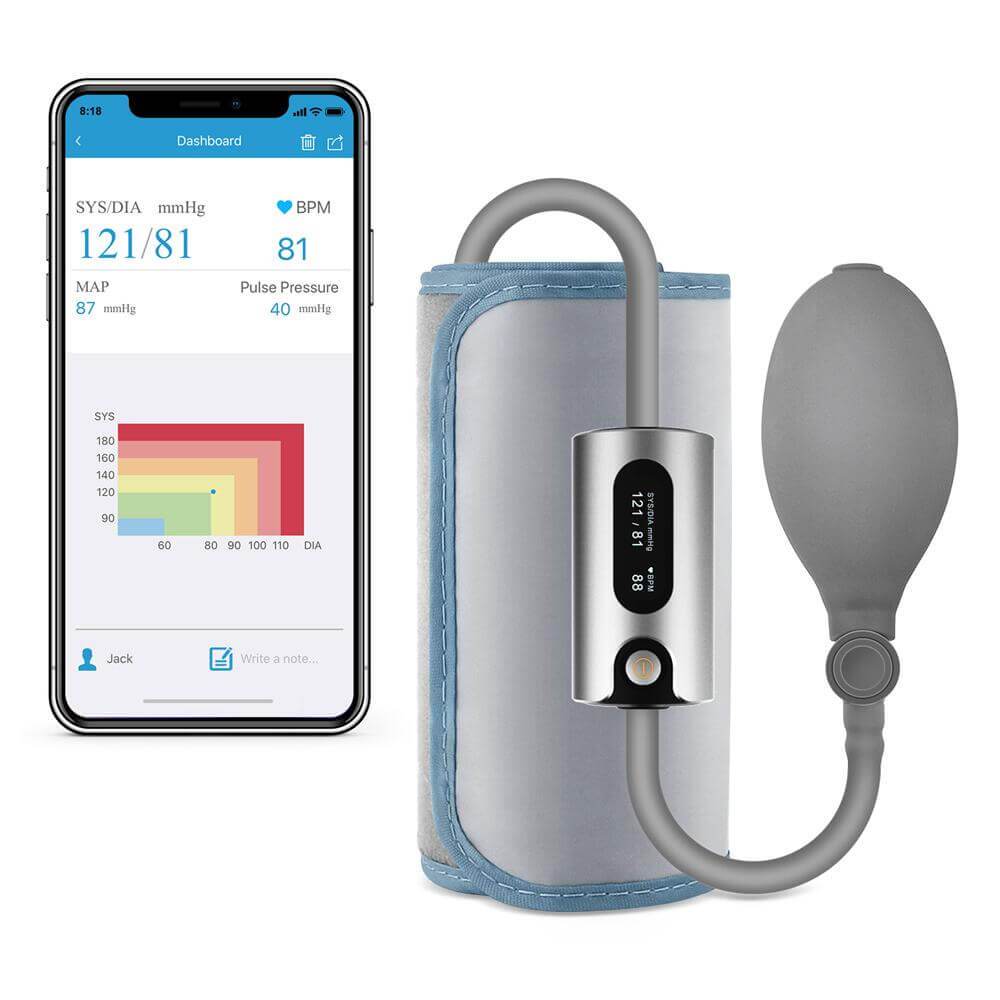
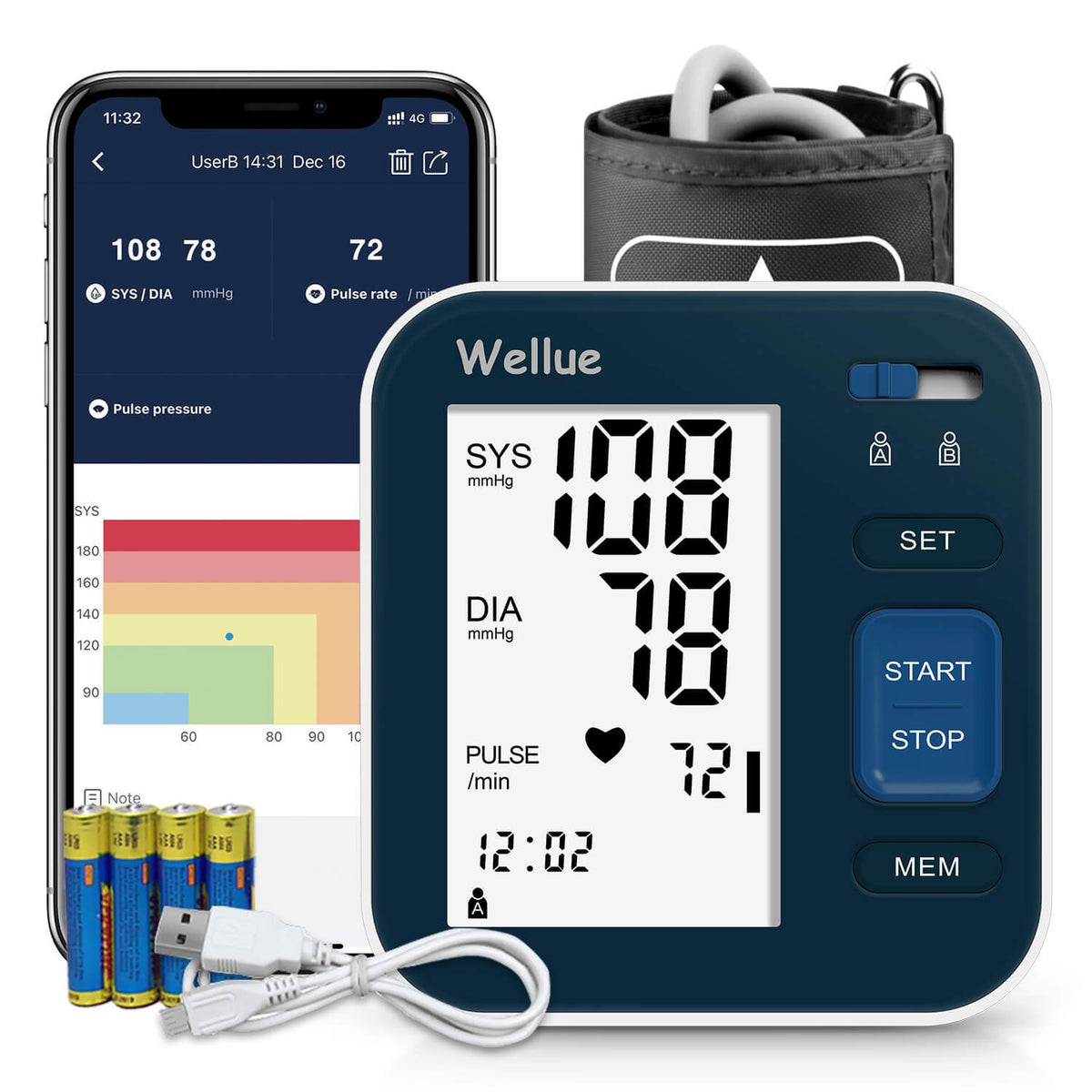
Home blood pressure monitors—like the AirBP Plus or Bluetooth Upper Arm BP Monitor—measure systolic and diastolic pressures using an inflatable cuff and digital sensors. Accurate readings depend on a snug cuff fit, correct arm position, and a few minutes of stillness.
What to Look For in a Blood Pressure Monitor
Key features include easy-to-read displays, memory for past readings, and, increasingly, app connectivity for trend tracking. The best blood pressure monitor for seniors prioritizes large buttons and screen clarity. If you’re weighing options, consider comfort, cuff size (standard to large), and whether you need advanced features like irregular heartbeat detection.
Upper Arm vs Wrist Blood Pressure Monitors
Upper arm monitors remain the gold standard for accuracy and reliability, especially for those needing consistent long-term tracking. Wrist monitors offer portability but require precise positioning and are more prone to user error—making error codes somewhat more common. For most, an upper arm model is the safest bet.
Best Blood Pressure Monitor for Seniors: Features to Consider
Look for models with oversized displays, voice prompts, and simple one-touch operation. The AirBP Plus stands out here—its large, clear screen and straightforward app integration reduce the risk of setup errors and make daily use less intimidating.
Decoding Blood Pressure Monitor Error Codes: What They Mean
Typical Error Codes and Their Causes
- Err1/Err2: Cuff not tight, improper placement, or movement during measurement
- Err3: Signal interference, low battery, or device malfunction
- Err4/Err5: Cuff inflation/deflation error, often due to a twisted tube or blocked airflow
When to Worry: Error vs. Irregular Reading
Most error codes relate to setup, motion, or battery issues—not health emergencies. If your monitor flags an irregular heartbeat but shows a valid blood pressure, repeat the test calmly. True device errors will typically prevent any reading at all.
What Does a 24 Hour Blood Pressure Machine Look Like and How Errors Differ
Ambulatory (24-hour) monitors are bulkier, automatically recording at intervals and storing results for review. Errors here often relate to tube kinks or movement during sleep. Unlike home spot-check devices, they may display fewer on-screen codes and rely more on post-test report analysis.
Root-Cause Troubleshooting Flow: Step-by-Step Fixes
1. Safe Checks Before Troubleshooting
- Ensure the cuff is placed on bare skin, about an inch above the elbow crease.
- Check batteries or ensure the device is charged.
- Confirm all tubes are untwisted and securely connected.
- Sit comfortably, feet flat, arm resting at heart level—wait 5 minutes before measuring.
2. Quick Fixes for Common Error Codes
- For cuff or movement errors: Reapply the cuff snugly, relax, and repeat the measurement.
- For inflation/deflation errors: Inspect tubing for leaks or blockages; replace batteries if needed.
- For persistent digital errors: Power off, remove batteries, wait 30 seconds, then restart.
3. Escalation: When to Contact Support or Replace the Device
- If error codes persist after safe checks and quick fixes, or if the device won’t power on, contact the manufacturer’s support line.
- Do not attempt to disassemble or repair internal components yourself.
- Old monitors (5+ years), or those with repeated unexplained errors, may require replacement.
Reading and Understanding Device Reports Post-Fix
Blood Pressure Monitor Readings Meaning
After resolving errors, review your readings. Systolic (top number) and diastolic (bottom number) pressures give a snapshot of circulatory health. See the device’s manual or the NHLBI guide for target ranges, but always consult your provider with concerns.
How to Use Affordable Blood Pressure Monitors with App Features
Many affordable monitors now sync with apps, letting you track trends over time. After each valid reading, upload results to the app for easier sharing with your healthcare team. This trend tracking is especially helpful if you’re watching for patterns rather than single readings.
Cheap and Best BP Monitors: Do Error Codes Occur More Often?
Quality matters more than price tag. The Smart Blood Pressure Monitor is both budget-friendly and reliable, provided you follow setup instructions. Inconsistent cuff placement or skipping maintenance, not price alone, are the main culprits for errors.
Device Cleaning and Maintenance to Prevent Future Errors
Routine Cleaning for Upper Arm and Wrist Monitors
- Unplug or remove batteries before cleaning.
- Wipe the cuff and device exterior with a soft, slightly damp cloth. Avoid harsh chemicals.
- Let the cuff air dry fully before next use.
How to Maintain Bluetooth and Smart BP Monitors
- Regularly check for firmware updates in the app.
- Clean charging ports gently with a dry cotton swab.
- Store devices in a dust-free, dry spot between uses.
Device Setup & How-To: Avoiding Errors from the Start
Initial Setup: Cuff Placement and Calibration
Always follow the device’s specific instructions. For most, the cuff should wrap snugly around the upper arm, with tubing aligned to the inside of the elbow. Some monitors arrive pre-calibrated; others may require an initial check against your doctor’s device for best accuracy.
Best Practices for Consistent, Accurate Readings
- Measure at the same time each day.
- Avoid caffeine, smoking, and exercise 30 minutes beforehand.
- Take two to three readings, one minute apart, and average the results.
When to Upgrade: Recognizing Persistent Device Issues
Affordable Blood Pressure Monitors with App Connectivity: Are They Worth It?
Modern app-connected monitors make it easier to track trends and share data. If your current device lacks these features—or struggles with consistent errors—it may be time to switch. Products like the AirBP Plus deliver solid performance at an accessible price point.
Signs Your Device Needs Replacement
- Repeated error codes that persist after all troubleshooting
- Physical damage to cuff, tubing, or screen
- Loss of battery life or failure to store readings
Product Snapshots
| Product | Best For | Key Limitation | Real-World Use Case | Actions |
|---|---|---|---|---|
| Reliable daily tracking; easy app sync | Cuff fit must be precise | Perfect for seniors or caregivers wanting quick, clear readings and long-term trend tracking. Using this model, a family can spot patterns and share reports at clinic visits. | ||
| Routine home health checks | Requires correct posture | Ideal for those who value simplicity but want accurate, app-storable data. An adult monitoring morning/evening readings will appreciate the clarity and fast results. |
If You're Unsure...
If you’re not sure which error code fix to try, start with the basics: check cuff placement, battery power, and your posture. Most problems resolve with these simple steps. If errors persist, it’s reasonable to reach out to the manufacturer or consider an upgrade—especially if your device is older or missing features you now want.
Summary: Ensuring Reliable Home Blood Pressure Monitoring
Most blood pressure monitor errors at home are preventable and fixable with a calm, methodical approach. Prioritize a good setup, routine cleaning, and pay attention to what your device’s error codes tell you. When in doubt, don’t hesitate to contact support or replace outdated equipment. For daily reliability, the AirBP Plus is a standout; if you need a no-fuss option with clear readings, the Bluetooth Upper Arm BP Monitor is a worthy alternative.