Quick take
We break down who this device is best for, what it measures, and how it compares in the market.
How to Choose Oxygen Monitor Ring Size for Accurate Overnight Tracking (2026 Guide)
Key Takeaways
- Correct ring size is vital for accurate overnight oxygen data.
- Measure your finger circumference and check device sizing charts before purchasing.
- Features like vibration alerts and easy app reports are just as important as fit.
- Budget options exist, but never sacrifice sensor reliability or comfort.
- Proper setup, cleaning, and troubleshooting extend device lifespan and performance.
Introduction
Monitoring your blood oxygen overnight has become much easier thanks to wearable oxygen monitor rings. But too many people overlook the most basic factor: the right fit. A ring that's too loose slips off or gives false low readings; too tight, and it’s uncomfortable or even unusable. If you’re relying on this data for peace of mind, or to share with your doctor, you can’t afford a poor fit.
Why Oxygen Monitor Ring Fit Matters for Overnight Monitoring
Continuous oxygen monitoring only works if the sensor stays in steady contact with your skin. A good fit ensures accurate, uninterrupted readings all night. It also means you’re more likely to wear it regularly—critical for spotting patterns or changes over time.
Who Should Use an Oxygen Monitor Ring at Home?
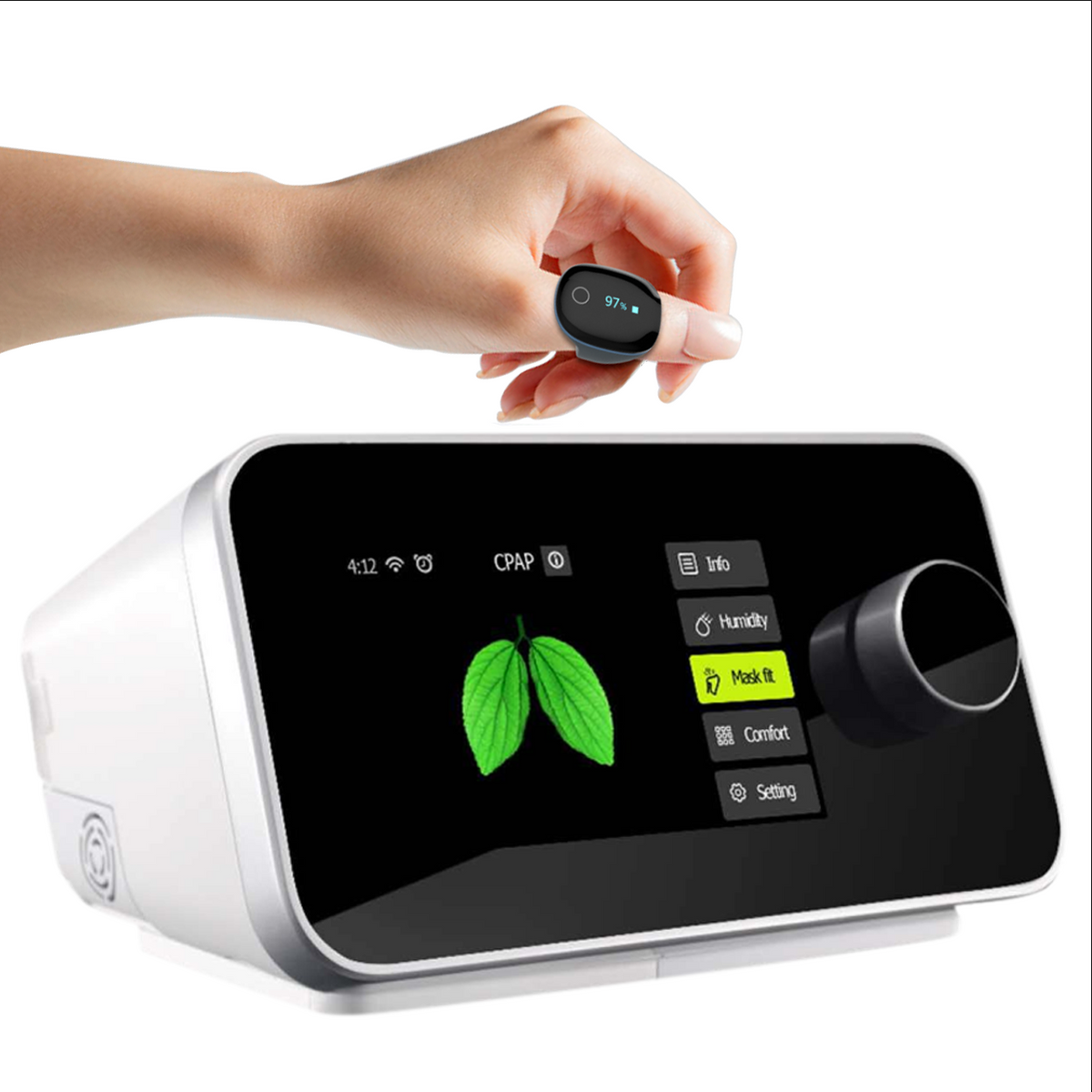
Oxygen monitor rings are especially valuable for people using sleep therapy devices (like CPAP or BiPAP), those with suspected or diagnosed sleep apnea, or anyone with respiratory concerns. They're also a practical choice for home wellness tracking, especially if you're looking for a device that won’t disturb your sleep.
Understanding Oxygen Monitor Rings: Key Features and Benefits
What Is an Oxygen Monitor Ring and How Does It Work?
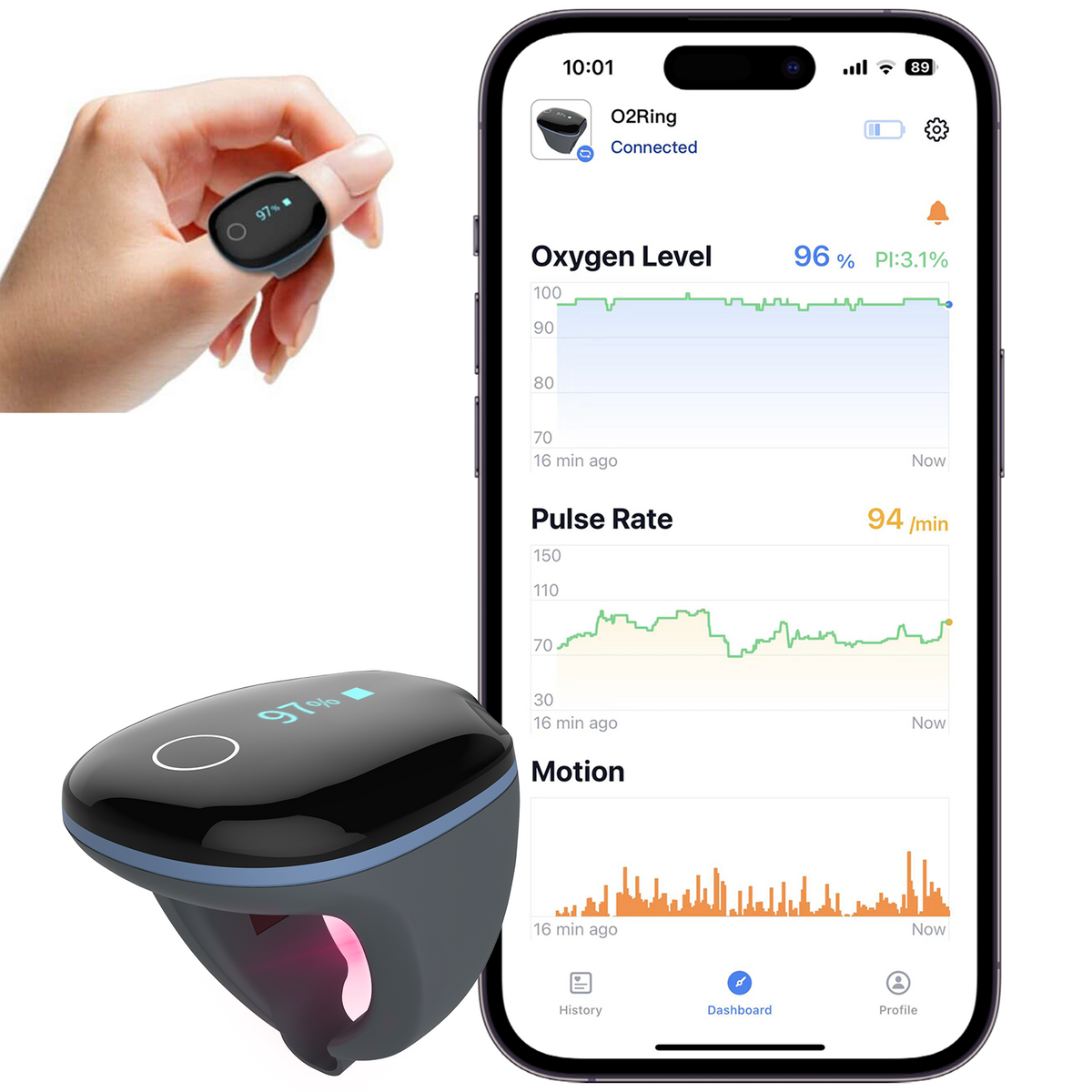
An oxygen monitor ring is a compact, wearable device that sits on your finger and tracks blood oxygen (SpO2) and pulse rate continuously. Unlike spot-check pulse oximeters, these rings are designed for overnight use, with sensors and memory tuned for hours of data capture.
Continuous Tracking and Sleep Data: What to Expect
Devices like the Wellue O2Ring™ (see O2Ring) pair with an app to deliver a detailed sleep oxygen report every morning. Expect trend graphs, drop events, and even vibration alerts if your oxygen falls below a set threshold during the night.
Overnight Oxygen Monitoring: Who Benefits Most?
If you want to know how your oxygen holds up while you sleep—especially if you use a CPAP, have concerns about sleep apnea, or simply want actionable wellness data—these devices are among the most convenient options for home use.
Fit First: How to Choose the Right Oxygen Monitor Ring Size
Why Size Accuracy Is Essential for Reliable Data
An oxygen monitoring ring that fits poorly will cause unreliable results. Loose rings can lose contact, while tight rings may restrict blood flow or be uncomfortable, making overnight use impractical.
How to Measure Your Finger for an Oxygen Monitor Ring
- Wrap a soft measuring tape or strip of paper around the base of the finger you intend to use (usually the thumb or index finger).
- Mark where the ends meet and measure the length in millimeters.
- Compare your measurement against the device’s published sizing chart.
Sizing Chart: Common Ranges (e.g., 40 mm – 52 mm)
Most standard oxygen monitor rings fit fingers with a circumference between 40 mm and 52 mm (1.57"–2.05"). Always check the manufacturer’s chart. If you’re close to the edge of a range, look for models specifically designed for small fingers or adjustable fit options.
Special Sizes: Options for Small Fingers and Children
Fit can be even more challenging for users with small fingers or for children. The Wellue Oxygen Monitor for Small Fingers is specifically designed for a secure fit on narrow fingers (40–52 mm). This ensures the sensor makes consistent skin contact and the device stays in place all night.
Buyer’s Framework: Must-Have Features, Fit, Data Quality, and Budget
Prioritizing Fit for Comfort and Sensor Accuracy
Start with sizing, but don’t ignore comfort. Soft silicone construction, adjustable tension, and non-slip design make a difference for all-night use. If possible, choose a device with a return or exchange policy in case the initial fit isn’t right.
Key Features: Vibration Alerts, Data Sync, App Integration
Vibration alerts are a must for anyone monitoring sleep apnea or CPAP effectiveness—they can gently wake you if your oxygen drops too low. Reliable app integration makes it easy to access, share, and interpret your reports each morning. Look for devices that export data, especially if you want to share results with your healthcare provider.
Data Quality: What Makes an Accurate Overnight Oxygen Monitor?
Look for continuous tracking with second-by-second data capture (not just spot checks). Devices like the O2Ring™ are designed specifically for overnight use and offer medical-grade sensor accuracy for personal wellness tracking.
Budget Considerations: Cheap and Best Options for Home Use
While you can find cheap and best BP monitors and oxygen trackers online, beware of generic or unbranded rings with vague sizing and limited support. The best overnight oxygen monitor for home use balances affordability with robust features and proven reliability.
Oxygen Monitor Ring Price Comparison Tips
Compare total value—not just sticker price. Consider warranty, app quality, data export options, and whether you might need a special size before making your final choice.
Device Setup and Usage: Getting the Most from Your Oxygen Monitor Ring
Initial Setup and Sizing Adjustment
Most devices are ready to use out of the box, but always start by checking the fit. Adjust as needed, and pair with the app for time-stamped tracking and alerts.
How to Wear the Ring Correctly for Overnight Use
Wear the ring snugly on your non-dominant hand—usually the thumb or index finger. Make sure the sensor window sits flat against your skin. The ring should stay put, but not feel constrictive.
How to Read and Interpret Your Sleep Oxygen Report
The morning after, sync your ring with the app. Look for trend lines, minimum oxygen levels, and any alarm events. If you’re tracking sleep therapy (like CPAP), the report can help you and your care team spot problems or progress over time.
Device Maintenance: Cleaning, Battery Care, and Longevity
Daily and Weekly Cleaning Steps
Wipe the ring with a soft, damp cloth after each use. Use a gentle disinfectant if needed, but avoid soaking the electronics. Clean the sensor window to maintain accurate readings.
Battery Life: What to Expect and How to Extend It
Most oxygen monitor rings last 12–16 hours per charge; recharge daily if used nightly. Store at room temperature and avoid letting the battery drain completely to maximize long-term battery health.
Troubleshooting Fit and Accuracy Issues
Common Sizing Problems and Solutions
- Too loose: Try a different finger, or a device for small fingers.
- Too tight: Stop using the device and consider sizing up or switching models.
- Unstable readings: Recheck fit and sensor placement, and ensure your hands are warm and relaxed.
When to Consider a Different Model or Size
If you consistently get poor readings or discomfort even after troubleshooting, you may need a different size or a dedicated small-finger model. Don’t hesitate to contact the seller for guidance.
Comparison Table: Top Oxygen Monitor Rings for Home Use (2026)
| Product | Fit/Sizing Range | Vibration Alerts | Data Export | Battery | Price | Best For | Links |
|---|---|---|---|---|---|---|---|
| 40–52 mm (standard) | Yes | App + export | 14–16h | $ | Most adults | ||
| 40–52 mm (standard) | Yes | App + export | 14–16h | $$ | Frequent use/spares | ||
| 40–52 mm (narrower fit) | Yes | App + export | 12–15h | $ | Small hands, children |

Who This Is For
If you monitor your sleep, use a CPAP/APAP/BiPAP, or want actionable overnight oxygen data at home, a well-fitting oxygen monitor ring is for you. Those with small fingers or children should seek out dedicated small-fit models for best accuracy.
If you’re unsure: Measure your finger first. If you’re near the bottom of the sizing range, opt for a small-finger model. Prioritize comfort and sensor contact over extra features if you’re new to overnight monitoring.
Conclusion: Making an Informed Choice for Better Sleep and Health
The right oxygen monitor ring size is the foundation for accurate overnight tracking—and peace of mind. Measure carefully, choose a device with robust features and a sizing range that matches your needs, and don’t hesitate to try a dedicated small-finger model if standard rings feel loose. For most adults, the Wellue O2Ring™ offers a strong blend of comfort, data quality, and practical reporting. For smaller hands or children, the Oxygen Monitor for Small Fingers simply fits better and tracks reliably.
