Quick take
We break down who this device is best for, what it measures, and how it compares in the market.

Home ECG Monitors with Cloud Data Sharing: 2026 Comparison Guide
At-home heart rhythm monitoring is no longer reserved for clinic visits or special events. Thanks to cloud-enabled ECG devices, anyone managing arrhythmias, post-cardiac care, or seeking peace of mind can now record, analyze, and share heart data from home. But with tech evolving fast, choosing the best ECG monitor with cloud sync can be daunting. This guide will help you understand the landscape and pick a device that fits your routine and reporting needs.
Key Takeaways
- Cloud sharing lets you access and transmit ECG reports securely for remote doctor review.
- Top devices now combine AI analysis, multi-parameter integration, and user-friendly data export.
- Your best choice depends on whether you need quick spot checks, continuous monitoring, or all-in-one health tracking.
- Proper setup and regular maintenance are essential for reliable results and sharing.
Introduction: The Rise of Home ECG Monitoring with Cloud Sharing
Why cloud-enabled ECG devices matter for at-home heart health
Heart rhythm irregularities don’t always show up at your annual checkup. Modern home ECG monitors bridge the gap, empowering people to catch transient events or monitor ongoing heart conditions. Cloud data sharing takes this utility further: it enables secure, real-time remote access to reports for both users and their healthcare teams, streamlining intervention and peace of mind.
Overview: Who benefits from online report sharing and remote access?
Cloud-connected ECG devices are especially valuable for those with a history of arrhythmia, palpitations, or unexplained symptoms. They also serve caregivers and anyone living far from cardiac specialists, offering a practical way to keep doctors updated between visits.
How Home ECG Monitors with Cloud Sync Work
The basics of ECG measurement at home
At-home ECG monitors typically use handheld sensors, electrode patches, or wearable bands. They record the heart’s electrical activity and save the data for review or upload.
Cloud data transfer and online report sharing
Cloud sync means your ECG readings are uploaded via Wi-Fi or Bluetooth to a secure online platform. From there, you can access detailed reports, flag abnormal events, and share results directly with your care team—no need for USB transfers or manual emails.
Security and privacy: What to expect from FDA-cleared devices
Any device cleared by the FDA must meet rigorous data security standards. This includes encrypted transmissions, user authentication, and compliance with privacy laws. Always use official manufacturer apps or portals to safeguard your information.
Essential Features of Cloud-Connected ECG Devices
- Continuous vs spot-check monitoring: Some devices offer 24/72-hour continuous tracking, while others are designed for quick, on-demand checks.
- AI analysis and event flagging: Many modern ECG devices incorporate algorithms to highlight potential arrhythmias and suggest when to consult a provider.
- Multi-parameter integration: Look for models that combine ECG with pulse oximetry (SPO2), heart rate, or other vitals for a more complete health snapshot.
Leading Home ECG Monitors with Cloud Sharing in 2026
Wellue 24/72-Hour ECG Monitor with Screen

This device stands out for its continuous monitoring capabilities, capturing up to three days of heart rhythm data in real-world settings. Its screen provides instant feedback, while AI-powered analysis flags arrhythmias you might miss during a standard clinic visit. Ideal for those with intermittent symptoms or needing in-depth reports for their cardiologist. One limitation is the learning curve for data review, but the cloud portal streamlines sharing flagged events with your provider. For users who want actionable, long-duration insights, it's a top contender for best ECG monitor with cloud sync.
Touchscreen ECG Monitor with Oximeter
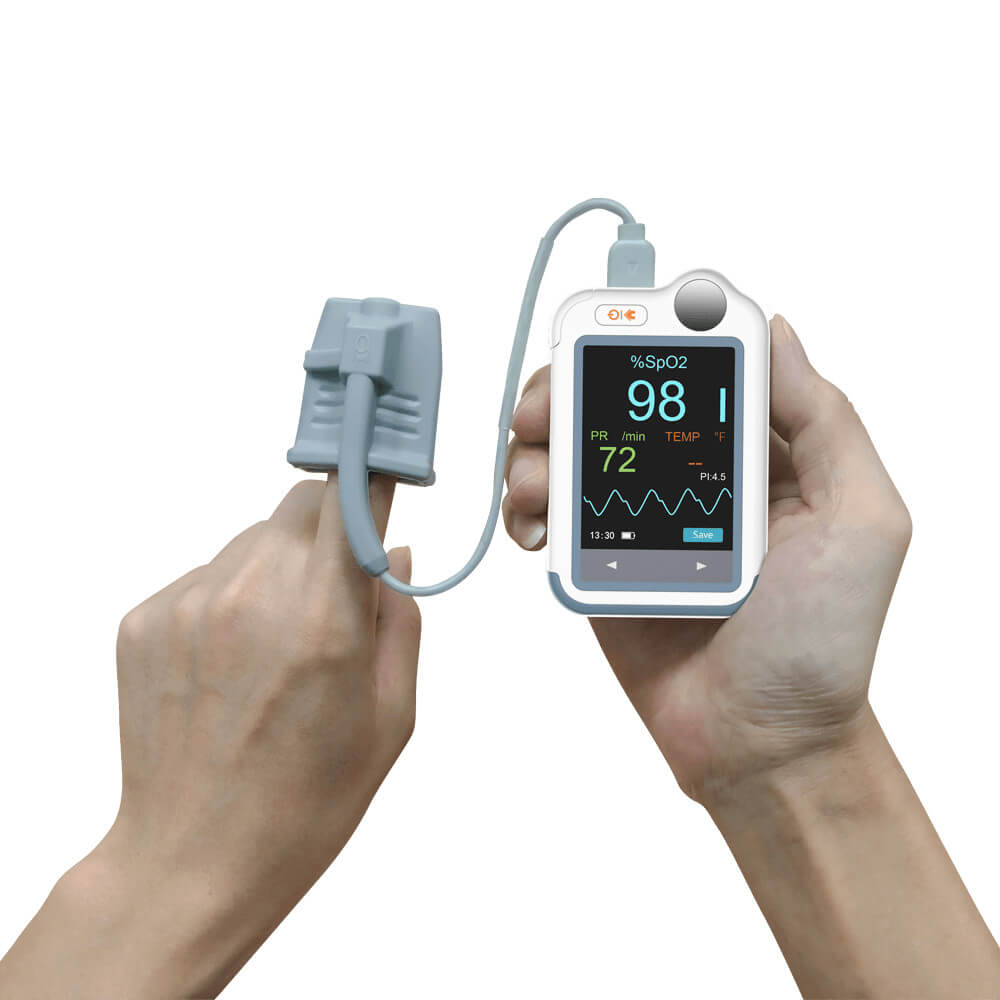
Combining ECG, blood oxygen, and pulse rate in a single device, this monitor is designed for users who want a broader health view without juggling multiple gadgets. Its touchscreen makes navigation straightforward, and results can be uploaded and shared online with ease. The main trade-off is that it’s best for spot checks rather than prolonged monitoring. In practice, it’s perfect for people managing both cardiac and respiratory parameters, or for those seeking an ECG device with online report sharing that covers more than just heart rhythm.
Biocare ECG Management System
This system is engineered for advanced users or families managing multiple ECG profiles. With options for single or batch file import, robust data management, and export formats like PDF and DICOM, it’s built for thorough documentation and sharing. Its setup is more involved than handheld models, making it better suited for tech-savvy households or those coordinating care across several individuals. The primary downside is its complexity for those only needing quick checks. For comprehensive data archiving and physician collaboration, however, it’s unmatched in versatility.
Comparison Table: Best ECG Monitors with Cloud Sync (2026)
| Device | Type | Cloud Sync | AI/Event Flagging | Multi-Parameter | Best For | Typical Price | Links |
|---|---|---|---|---|---|---|---|
| Continuous | Yes | Yes | No | Long-term monitoring & AI analysis | $$ | ||
| Spot-check | Yes | Basic | Yes (SPO2) | Quick checks & multi-parameter | $ | ||
| Professional/home | Yes | Manual/Advanced | No | Data archiving & sharing | $$$ |
If you're unsure
If you mainly want to check your heart rhythm after symptoms, a handheld spot-check device with cloud sync is usually sufficient. For tracking ongoing or unexplained symptoms, opt for a continuous monitor with AI. If you need reports for multiple people or detailed exports for specialists, a management system is your best bet.
Who this is for
- Individuals with intermittent heart rhythm symptoms or recent cardiac events
- Anyone needing to share ECG data with a remote or telehealth provider
- Families or caregivers managing multiple cardiac profiles
- Those tracking both heart and oxygen metrics at home
How to Choose the Best ECG Device with Online Report Sharing
- Consider whether you want spot checks or long-duration tracking.
- Look for AI analysis if you want proactive flagging of arrhythmias.
- Multi-parameter devices save time if you track multiple vitals.
- Check setup complexity and report-sharing workflow before buying.
Reading and Sharing Your ECG Device Reports
Cloud-based platforms make it easy to access and interpret your results. Most allow you to view flagged events, print or export reports, and send them securely to your provider. Always review flagged findings with a qualified clinician before taking any action.
Maintaining and Cleaning Your Home ECG Monitor
Clean electrodes and sensors after each use as per manufacturer guidance. Store your device in a dry place, and check for software updates regularly to keep cloud syncing smooth. If cloud upload fails, restarting the device or re-logging into the app often resolves minor connection issues.
Conclusion: Empowering At-Home Heart Monitoring with Cloud Sharing
Cloud-enabled home ECG monitors have made heart health monitoring more accessible, practical, and collaborative. For most, the Wellue 24/72-Hour ECG Monitor with Screen offers the best balance of continuous monitoring, AI insights, and seamless cloud sharing for doctor collaboration. If you want to track more than just ECG—such as oxygen levels—the Touchscreen ECG Monitor with Oximeter is a smart alternative.