Quick take
We break down who this device is best for, what it measures, and how it compares in the market.

Home ECG Monitors: Real-Time vs Delayed Reporting (2026 Comparison)
Key Takeaways
- Real-time home ECG monitors provide instant feedback—crucial if you’re at risk of sudden rhythm changes.
- Delayed (batch) ECG reporting offers in-depth data for long-term review, often preferred for routine or overnight monitoring.
- The right choice depends on your health goals, comfort with tech, and your doctor’s advice.
- Many modern ECG monitors also track blood oxygen, pulse, or integrate with CPAP and blood pressure monitors for a holistic health view.
Introduction: The Rise of Home ECG Monitoring
For anyone living with heart rhythm concerns, the reassurance of monitoring your own ECG at home has never been more accessible—or more important. Home ECG monitors now offer features once reserved for clinics, including both real-time feedback and delayed, in-depth reporting. Understanding the difference between instant and batch ECG data delivery can help you monitor smarter, share more meaningful data with your care team, and, ultimately, take a more active role in your cardiac health.
Who Benefits from At-Home ECG Monitoring?
If you’ve experienced palpitations, have a history of arrhythmia, or want to track heart health alongside sleep therapy or blood pressure management, home ECG monitoring can be invaluable. It’s especially helpful for those whose symptoms come and go or who want an extra layer of reassurance between appointments.
Understanding Home ECG Monitoring Options
At-home ECG devices come in several flavors. Single-lead handheld models, multi-lead wearable patches, and touchscreen monitors that integrate with pulse oximetry are all available. Many now sync with apps for streamlined reporting and can be used alongside oximeters, CPAP, or blood pressure monitors for a comprehensive picture of your health.
What Is Real-Time ECG Reporting?
Real-time ECG reporting means you see your ECG results immediately after a recording. Devices like the Wellue ECG Recorder With Screen use built-in screens and AI analysis to flag arrhythmias as you record. For those with a history of sudden arrhythmias or anxiety around symptoms, this instant feedback can be reassuring—or push you to seek prompt medical advice if something’s amiss. It’s also a strong fit for people who want to check their heart rhythm during symptoms, rather than waiting for a report to upload.

What Is Delayed (Batch) ECG Reporting?
Delayed reporting, sometimes called batch ECG reporting, records your heart’s activity over hours or days and summarizes the results after you upload the data. Devices in this category store dozens (or hundreds) of recordings, which you can review and share with your doctor later. This approach is ideal for users who want to track overnight events, monitor for infrequent irregularities, or provide their cardiologist with a broad view of heart activity over time. You might not see results immediately, but you get a more complete, less fragmented record—reducing unnecessary anxiety from momentary blips.
Comparison Table: Real-Time vs Delayed Home ECG Reporting
| Criteria | Real-Time ECG Monitor (e.g., Wellue ECG Recorder) |
Delayed/Batched ECG Monitor (e.g., ECG 1000 System) |
Best for |
|---|---|---|---|
| Speed of Results | Immediate (seconds to minutes) | After upload/review (hours to days) | Real-time: urgent feedback; Delayed: routine tracking |
| Accuracy | High for spot checks | High for extended periods | Both reliable for their use case |
| Data Sharing | App or PDF export quickly, doctor review possible | Batch upload, printable summaries, more detailed review | Real-time: quick consult; Delayed: in-depth analysis |
| Ease of Use | Instant, intuitive interface | Requires data transfer step | Real-time: less tech savvy; Delayed: long-term planners |
| Event Detection | Best for catching symptoms as they occur | Best for catching rare or overnight events | Real-time: during symptoms; Delayed: while sleeping or routine |
| Cost | Often slightly higher | Varies with storage/analysis features | Both affordable; choose by features |
Benefits and Limitations: Instant vs Batch ECG Data Delivery
Advantages of Real-Time ECG Monitors for Home Use
Instant feedback can be life-changing for those with unpredictable symptoms or high anxiety. The ability to capture and immediately review an event is especially valuable if you’ve been told to monitor for dangerous arrhythmias. However, some users may feel overwhelmed by brief, harmless irregularities that trigger frequent alerts. False positives are possible, and not every flagged event requires urgent action—so ongoing communication with your provider is still important.
Benefits of Delayed ECG Report Comparison
Batch reporting excels in providing context. By reviewing hours or days of data at once, you and your clinician can identify patterns—like sleep-related arrhythmias or sporadic events. This approach is less likely to cause alarm from minor, fleeting changes and is well-suited to people whose symptoms are rare or only occur overnight. The main drawback: urgent events could be missed if you’re waiting to upload or review the data.
Who This Is For
- Real-time monitors: Best for individuals with a history of dangerous arrhythmias, those who experience sudden symptoms, or anyone who needs immediate reassurance.
- Delayed/batch monitors: Ideal for routine, long-term tracking—especially if you’re monitoring overnight, want less frequent alerts, or need a comprehensive summary for your doctor.
If You're Unsure
If you’re not sure which style fits, ask: Do you want to know about your heart rhythm as it happens, or are you collecting data for a doctor to review later? Those at higher risk or with anxiety may prefer real-time. For routine monitoring or sleep therapy support, delayed reporting is often enough. When in doubt, start with a device that offers both spot checks and longer recordings.
Product Spotlights
Wellue ECG Recorder With Screen
The Wellue ECG Recorder With Screen brings real-time ECG analysis to your fingertips. It displays results instantly and uses AI to flag potential arrhythmias, making it a strong choice for users who want fast, actionable insights during symptoms. One limitation: it’s not a medical diagnostic device, so abnormal results should be reviewed by your doctor. Real-world scenario: A user with occasional palpitations can take a reading immediately and decide whether to contact their provider or simply note the event.
ECG 1000 ECG Data Management System
The ECG 1000 ECG Data Management System excels at collecting and managing batches of ECG data for later review. It’s best suited for users who want to capture multiple readings over hours or days and then share a comprehensive record with their healthcare provider. The trade-off is that urgent events could be missed until the data is uploaded and reviewed. Use-case: Someone tracking heart rhythms overnight or over a weekend, especially when symptoms are infrequent, benefits from this approach.
Touchscreen ECG Monitor with Oximeter
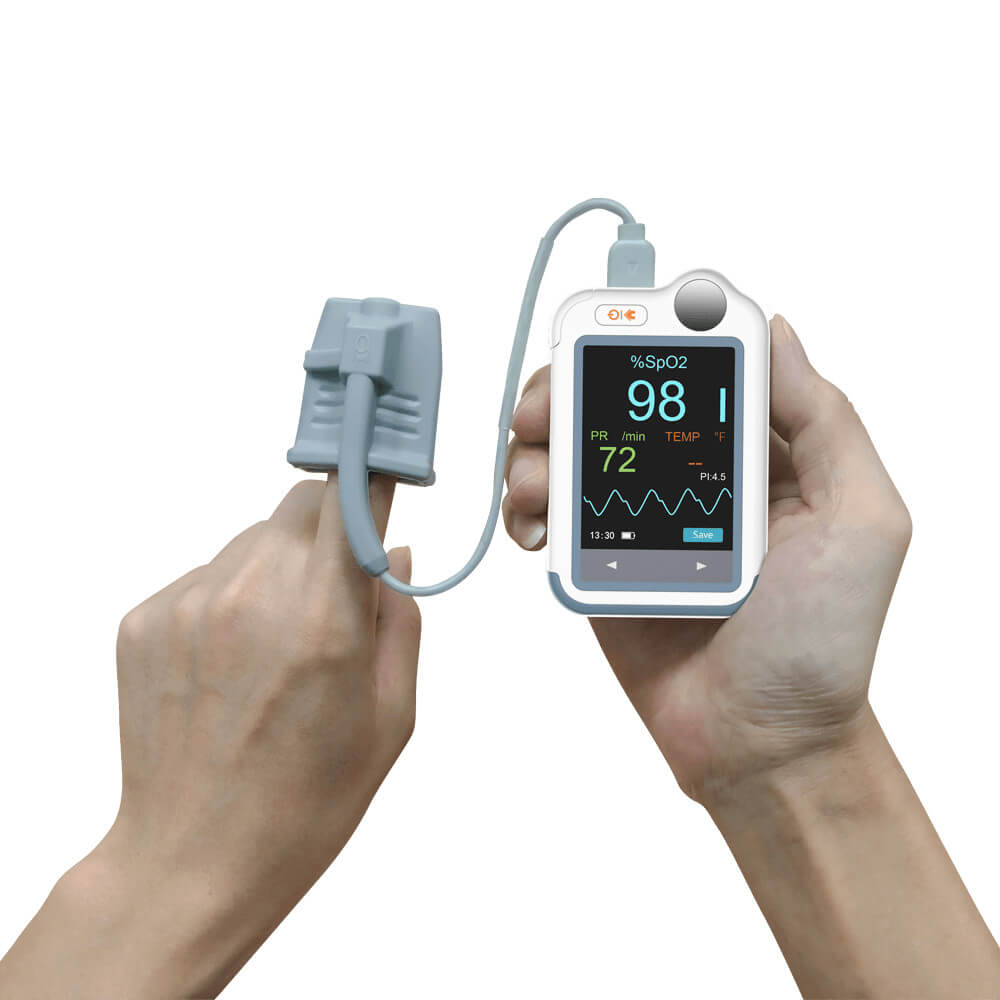
For those who want to monitor multiple vital signs, the Touchscreen ECG Monitor with Oximeter integrates oxygen saturation, pulse, and ECG in one compact device. It’s an excellent pick for those managing both cardiac and respiratory health, perhaps alongside CPAP therapy. Like other handhelds, it requires steady hand placement and isn’t a diagnostic tool, but the combined data makes it a valuable addition for holistic at-home monitoring.
How to Choose: What Fits Your Needs?
Consider your personal health history. If you’re prone to sudden arrhythmias or your doctor recommends instant feedback, a real-time ECG monitor for home is the logical fit. If you’re tracking over time, especially for sleep or chronic care, delayed ECG report comparison offers depth and context. Look for devices that also integrate with your other home health equipment for a more complete view.
Interpreting and Sharing Your ECG Data
Most devices generate easy-to-read reports, with flagged events highlighted. Sharing is generally simple—via app, PDF export, or cloud upload. Always protect your sensitive health information; choose devices from reputable brands and review the FDA’s latest privacy guidance for home medical devices. When in doubt, bring your reports to your next appointment for a professional review.
Setup, Maintenance, and Best Practices
Getting started is straightforward, but follow your device’s guide for initial setup. Clean sensors regularly for accurate readings and store your monitor safely between uses. If irregularities are flagged or your readings seem inconsistent, consult your provider promptly. For ongoing accuracy, periodic device maintenance is key.
Summary: Making Informed Choices for At-Home Heart Monitoring
Both real-time and delayed home ECG monitors have clear strengths. Real-time feedback is invaluable for high-risk users, while batch reporting suits long-term or overnight monitoring. Prioritize your clinical needs, comfort with technology, and integration with other at-home devices. For most, a device offering both spot checks and extended data capture is the most adaptable option.