Quick take
We break down who this device is best for, what it measures, and how it compares in the market.
Home ECG monitors have become an important tool for people who want to track their heart health between doctor visits. But the reliability of your readings relies on more than just proper use—it depends on how well you clean and maintain your device. Neglecting regular care can lead to inaccurate results, skin irritation, or even permanent device damage.
Key Takeaways
- Consistent cleaning and care ensure accurate, safe ECG readings at home.
- Always use approved solutions and gentle methods—never harsh chemicals or abrasives.
- Replace disposable electrodes frequently and inspect cables for signs of wear.
- Proper storage and battery management extend device life and reliability.
- Follow FDA and manufacturer guidelines for cleaning all medical devices.
Introduction
Why Proper Cleaning and Maintenance of Home ECG Monitors Matters
Your home ECG monitor is a sensitive piece of medical equipment. Skin oils, sweat, and dust can accumulate on electrodes and cables, interfering with signal quality. Bacteria and fungi may flourish on neglected surfaces, creating a risk of skin irritation or infection. Regular cleaning is the best way to keep your device safe and your readings consistent.
Overview of Risks from Poor Device Hygiene
Ignoring cleaning routines can cause signal dropouts, inaccurate reports, and even device malfunction. In the worst cases, it may shorten the device's lifespan or pose a hygiene risk for you and anyone else using the monitor.
Understanding Your Home ECG Monitor
Common Components Requiring Maintenance
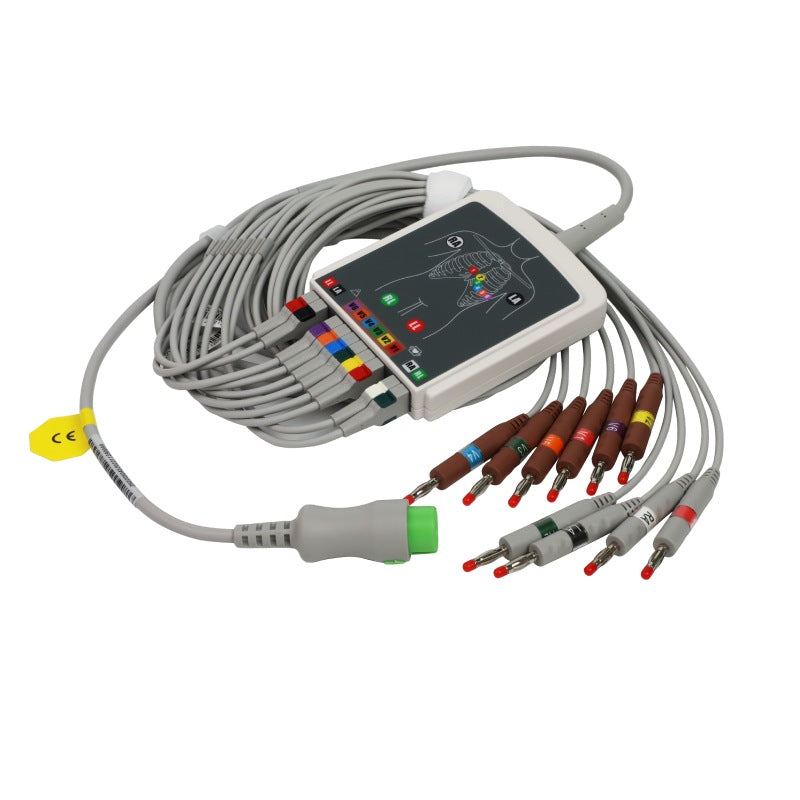
Most home ECG monitors, such as the Touchscreen ECG Monitor or Biocare iE6 ECG Acquisition Box, include the main monitor unit, lead wires/cables, and electrodes. All need periodic attention.
Types of Electrodes: Disposable vs. Reusable
Disposable patches are single-use and should be discarded after each session to prevent irritation and ensure quality signals. Reusable electrodes require gentle cleaning after each use. Check your device manual to confirm which type you have.
Recognizing Signs of Wear or Malfunction
Look for frayed cables, cracked electrodes, or unresponsive buttons and touchscreens. Decreased signal quality or error messages may also indicate the need for maintenance or replacement parts.
Essential Supplies for Cleaning and Maintenance
Recommended Cleaning Solutions and Materials
- Soft lint-free or microfiber cloths
- Mild soap or non-abrasive medical device wipes
- Isopropyl alcohol (70%) for external surfaces—avoid contact with electrodes unless approved by manufacturer
- Distilled water for rinsing (if needed)
What to Avoid: Substances That Can Damage Your Device
- Bleach, ammonia, or abrasive cleaners
- Submerging any electrical component
- Paper towels (they may scratch screens)
How to Clean Your Home ECG Monitor: Step-by-Step
General Safety Precautions Before Cleaning
- Turn off the device and disconnect it from any power source.
- Remove batteries (if applicable) to avoid short circuits.
Cleaning ECG Monitor Electrodes (Disposable and Reusable)
- Disposable patches: Discard after each use. Do not attempt to clean or reuse.
- Reusable electrodes: Wipe gently with a soft cloth dampened with mild soapy water. Rinse with a clean, damp cloth and dry thoroughly. Avoid harsh chemicals that could degrade the conductive gel or surface.
Sanitizing Lead Wires and Cables
- Wipe down cables with a cloth moistened with isopropyl alcohol or a device-approved cleaning wipe.
- Avoid wetting the connectors. Inspect for cracks, fraying, or discoloration as you clean.
Cleaning the Main Monitor Unit and Touchscreen
- Use a slightly damp microfiber cloth with mild soap, wiping gently in circular motions.
- For touchscreens, use screen-safe wipes or cloths.
- Never spray cleaner directly onto the device. Apply it to the cloth first.
Drying and Proper Storage After Cleaning
- Let all components air dry fully before reassembling or storing.
- Store the device in a clean, dry case away from direct sunlight and extreme temperatures.
Home ECG Device Maintenance Tips for Long-Term Performance
Routine Inspection Checklist
- Inspect all cables and electrodes weekly for signs of wear.
- Test device functionality monthly by running a short ECG check.
Safe Battery Handling and Charging Best Practices
- Charge only with the supplied charger.
- Never use or charge the device if the battery appears swollen or damaged.
Proper Storage to Prevent Damage
- Keep your monitor and accessories in a dedicated, padded case.
- Separate clean items from used electrodes or soiled cables.
Updating Software and Managing Data Securely
- Regularly update device firmware and any companion app to ensure security and performance.
- Back up ECG data according to device instructions and delete files securely if sharing or retiring the device.
Troubleshooting Common Cleaning and Maintenance Issues
Addressing Poor Signal Quality After Cleaning
If your device shows poor signal quality after cleaning, ensure all surfaces are dry and that contacts are free from residue. Double-check that lead wires are fully connected and not damaged.
When to Replace Electrodes or Cables
Replace disposable electrodes after each use. For reusable parts, replace if they appear cracked, discolored, or fail to transmit a clear signal. Damaged or frayed cables should be replaced immediately.
Contacting Support or Seeking Professional Servicing
If the device fails to operate or you notice persistent issues, consult your manufacturer's support resources. For Wellue devices, their online help center guides you through common troubleshooting steps.
Cleaning and Maintenance: What the Experts and FDA Recommend
Official Guidance on Medical Device Cleaning
The FDA emphasizes the importance of following manufacturer-specific cleaning instructions for all home medical devices. Always refer to your user manual for detailed directions and use only approved cleaning agents.
Summary of Evidence-Based Best Practices
- Routine, gentle cleaning prolongs device life and ensures accuracy.
- Single-use items should never be reused; multi-use parts must be cleaned and dried thoroughly.
- Store and handle components carefully to prevent accidental damage.
Who This Is For
This guide is designed for anyone using a home ECG monitor—whether you’re tracking your heart health for peace of mind or under medical advice. It’s especially helpful for caregivers supporting elderly family members and for those sharing devices in a household.
Recommended Products for Home ECG Monitoring
-
Biocare iE6 ECG Acquisition Box and Lead Wires
Best for families or individuals who want quick snapshots of heart rhythm at home. This portable unit is easy to set up and delivers on-demand ECG readings you can share with your doctor. Its main limitation is that it’s not for full diagnostics, but it’s ideal for routine monitoring and early detection of irregularities. For example, if you want to track changes after starting a new medication or manage a known arrhythmia, this unit keeps things simple and accessible. -
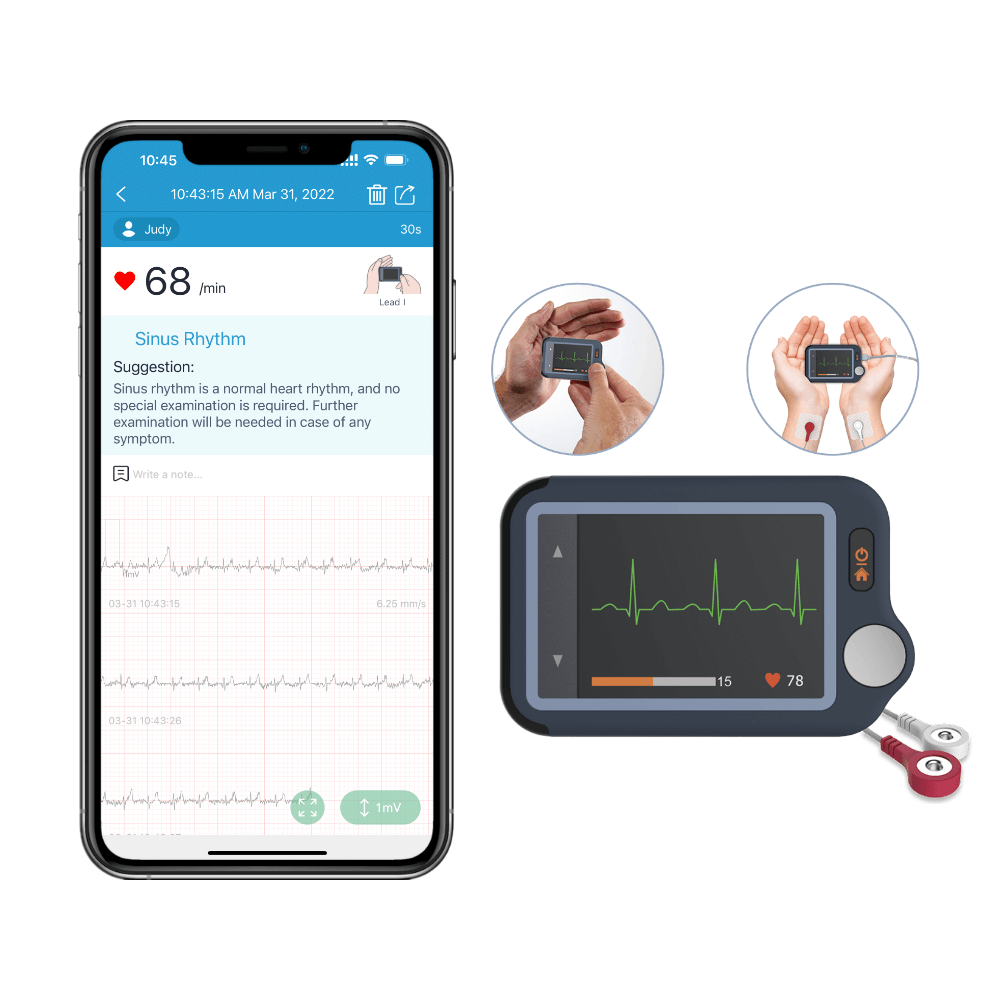 Touchscreen ECG Monitor
A strong choice for anyone wanting intuitive operation and quick viewing of results. The touchscreen makes it straightforward for users of all ages, and recorded ECGs can be exported easily. While not designed for continuous monitoring, it’s particularly useful for capturing occasional symptoms or for travel. If you’re looking for a device you can use on the go—with minimal fuss—this is a practical pick.
If you’re unsure: Choose a unit that matches your comfort with technology and your need for portability. If sharing reports with your doctor is a priority, look for app export features and reliable storage. For most users, keeping cleaning routines simple and following the manufacturer’s instructions is the key to safe, reliable use.
Conclusion
Clean, well-maintained home ECG monitors help you get the most value from your investment—and peace of mind from your readings. Choose a monitor that fits your daily routine, follow cleaning and storage best practices, and replace parts as needed. For most households, the Biocare iE6 ECG Acquisition Box strikes an excellent balance of ease and reliability, but the Touchscreen ECG Monitor is a smart alternative for those who want a more interactive experience.
