Quick take
We break down who this device is best for, what it measures, and how it compares in the market.

Guide to Choosing a Senior-Friendly Portable Oxygen Concentrator (2026)
Key Takeaways
- Lightweight, simple controls, and strong safety features define the best oxygen concentrator for elderly needs.
- FDA-cleared models with real-time O2 feedback and clear alarms help maintain safe, effective home oxygen therapy.
- Consider battery runtime, noise level, and support policies before buying senior-friendly portable oxygen.
- Always confirm your oxygen prescription and consult your provider for proper device selection.
Introduction: Why Seniors Need the Right Portable Oxygen Concentrator
For many older adults, reliable oxygen therapy at home or on the go is not just a convenience—it's a vital part of their daily well-being. The best oxygen concentrator for elderly users should empower independence, safeguard safety, and fit seamlessly into routine life. Yet, not all devices are equal when it comes to senior needs: ease of use, manageable weight, and dependable support make all the difference. This guide focuses on practical, senior-friendly portable oxygen options and how to pick the right one with confidence.
Who this is for
This guide is for seniors, caregivers, and family members seeking a portable oxygen concentrator that balances medical-grade reliability with comfort and simplicity. If you or a loved one struggles with heavy or complex devices, or you want peace of mind and freedom to move, you'll find actionable advice here.
What Is a Portable Oxygen Concentrator?
Portable oxygen concentrators (POCs) are compact machines designed to deliver medical-grade oxygen anywhere, anytime. Unlike traditional oxygen tanks, POCs draw oxygen from the air, concentrate it, and provide it at the prescribed flow—no bulky cylinders or regular refills needed. All devices sold in the U.S. should be FDA-cleared, meeting strict standards for performance and safety (FDA).
- How They Work: POCs use filters and compressors to extract and concentrate oxygen, typically delivering it via nasal cannula.
- Main Benefits: Lightweight, rechargeable, and travel-friendly—ideal for daily errands, appointments, or visits with family.
Essential Features for Senior-Friendly Portable Oxygen
- Lightweight, Compact Design: Look for models under 5 lbs for easy carrying, especially for seniors with limited strength.
- Intuitive Controls & Display: Large, well-labeled buttons and screens help minimize user error and frustration.
- Long Battery Life: Aim for at least 4–5 hours per charge; some offer up to 9 hours with dual batteries (Wellue source).
- Low Noise Operation: Quiet machines allow restful sleep and social interaction without disturbance.
- Pulse Dose vs. Continuous Flow: Most seniors use pulse dose (oxygen delivered only when inhaling), which saves power and extends battery life. Continuous flow may be needed for specific conditions—always check your prescription.
How to Choose the Best Oxygen Concentrator for Elderly Needs
- Check Your Prescription: Your doctor will specify flow rate and whether you need pulse or continuous flow.
- Prioritize O2 Feedback and Alarms: Features like real-time oxygen monitoring and audible alerts add safety—especially important if a user lives alone.
- Look for Strong Warranty & Support: Choose brands with a 3-year warranty and U.S.-based support for peace of mind.
- Consider Maintenance: Removable filters and accessible parts make cleaning easier for seniors or caregivers.
Top Considerations: Comparing Senior-Friendly Portable Oxygen Options
| Model | Weight | Battery Life | O2 Purity | User Interface | Best For | Links |
|---|---|---|---|---|---|---|
| 4.4 lbs | Up to 9 hrs (with 2 batteries) | 93% ±3% | Large display, simple controls | All-day outings, tech comfort | ||
| 4.4 lbs | Up to 9 hrs (with 2 batteries) | 93% ±3% | Button controls, clear readings | Errands, appointments | ||
| 13.2 lbs | Plug-in (home use) | 93% ±3% | Easy-to-read panel | Home-bound seniors |
If you're unsure
If you’re torn between several models, focus on your daily routine—do you need to leave home often, or mostly stay in? For regular outings, prioritize lightweight, battery-powered units with intuitive displays. For those mostly at home, a plug-in model offers simplicity and unlimited runtime. Always match device specs to your prescription, and don’t hesitate to ask your provider for clarification.
Product Snapshots
Portable Oxygen Concentrator with O2 Monitor
This model stands out for its balance of portability (just over 4 lbs) and user-friendly operation, making it a top pick for seniors who want to remain active. Its clear display with real-time oxygen feedback gives users and caregivers quick reassurance that therapy is working as intended. While battery runtime (up to 9 hours with dual batteries) is excellent for most outings, extended travel may require carrying a spare battery or access to charging. For seniors who value peace of mind and mobility, this is a versatile and dependable choice.
Pulse Dose Portable Oxygen Concentrator

Designed for simplicity, this pulse dose model offers straightforward controls and a lightweight design, making it ideal for quick trips to the store or appointments. Its pulse delivery ensures efficient oxygen use and helps extend battery life, though it’s not suitable for those who require continuous flow. Seniors who want a grab-and-go solution with minimal setup will appreciate its hassle-free interface and consistent performance.
5L Oxygen Concentrator
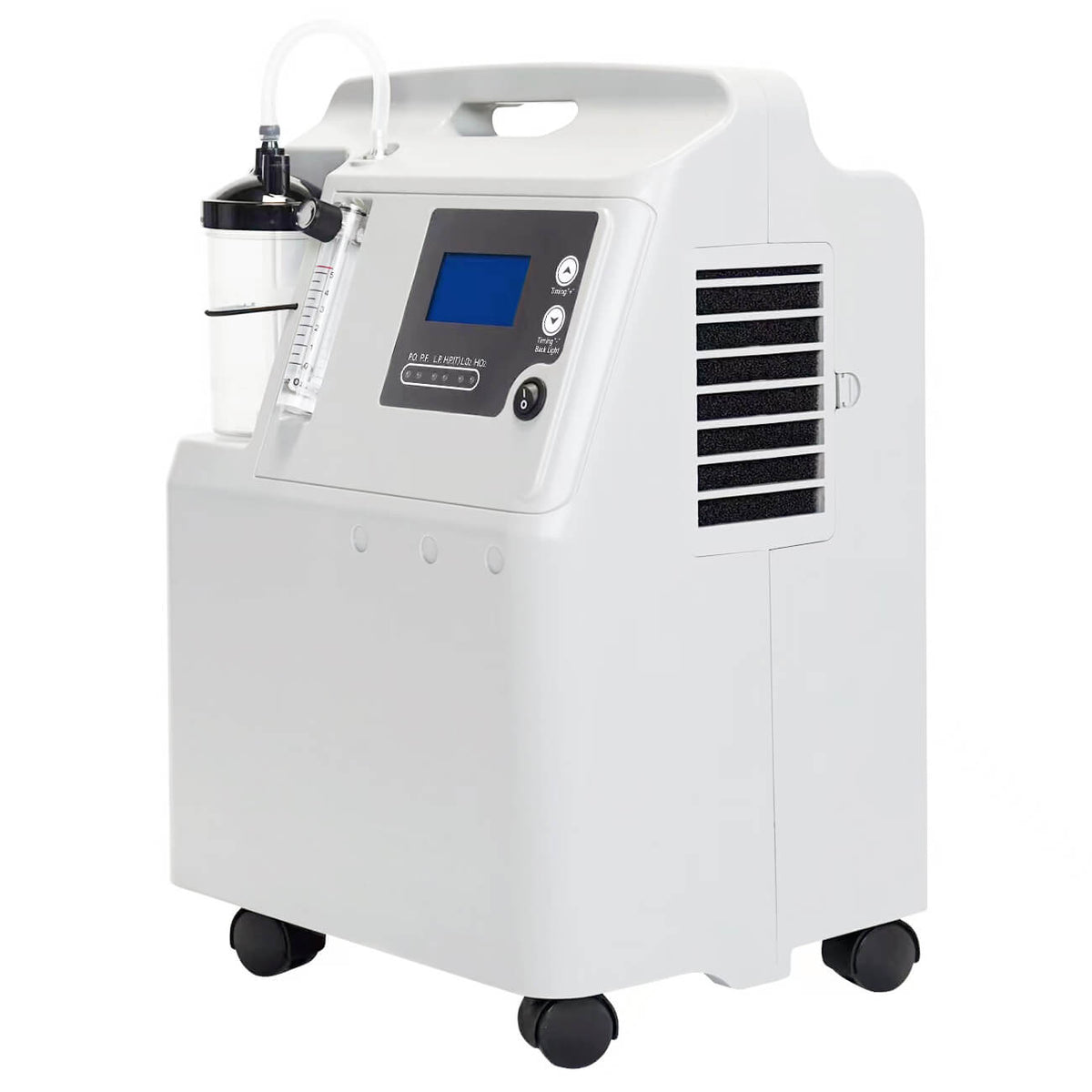
While not portable in the same sense as the two models above, the 5L Oxygen Concentrator delivers continuous, medical-grade oxygen at home. Its easy-to-read controls and robust construction make it well-suited for seniors who rarely leave the house or need higher-volume oxygen support. The main tradeoff is mobility—the device is substantially heavier and requires a power outlet. For home-bound seniors, it offers reliable, round-the-clock oxygen therapy with minimal user intervention.
Easy Setup, Maintenance, and Daily Use Tips for Seniors
- Setup: Place the unit on a stable surface, attach the nasal cannula, and power on. Follow on-screen prompts for flow settings.
- Reading Reports: Review O2 readings regularly; unusual changes should prompt a discussion with your provider.
- Cleaning: Wipe the exterior weekly; wash or replace filters as instructed in the manual to maintain performance and hygiene.
When to Consult Your Healthcare Provider
Always discuss new symptoms, device alarms, or concerns about oxygen settings with your healthcare provider. They can help interpret device reports, adjust therapy, and ensure your safety at home.
Conclusion: Making an Informed Choice for Senior Oxygen Therapy
Choosing the right portable oxygen concentrator is about more than technical specifications—it's about restoring confidence, independence, and comfort for seniors who rely on oxygen therapy. Our top recommendation for most seniors is the Portable Oxygen Concentrator with O2 Monitor for its blend of portability, user-friendly interface, and real-time safety features. For those needing a straightforward, grab-and-go device, the Pulse Dose Portable Oxygen Concentrator is a smart alternative. Whichever you choose, pair your decision with guidance from your healthcare provider to ensure the safest, most effective outcome.