Quick take
We break down who this device is best for, what it measures, and how it compares in the market.

Guide to Choosing a Portable Oxygen Concentrator for Night-Time Use (2026)
For anyone who needs oxygen therapy overnight, the quality of your sleep and your peace of mind depend on choosing the right device. Portable oxygen concentrators (POCs) have advanced rapidly, now offering options that prioritize quiet operation, reliable oxygen delivery, and real-time monitoring. Whether your doctor has prescribed overnight oxygen for sleep apnea, COPD, or another reason, the right device can make all the difference between restless nights and restorative rest.
Key Takeaways
- Noise level, battery life, and comfort are crucial for choosing a portable oxygen concentrator for night-time use.
- Look for FDA-cleared devices with pulse dose or continuous flow options and high oxygen purity.
- Real-time monitoring and easy-to-read reports can help ensure effective overnight oxygen support.
- Proper setup and maintenance are essential for safety, performance, and warranty coverage.
Who This Is For
This guide is designed for adults and seniors who need reliable oxygen therapy during sleep, whether at home or while traveling. If you’re a light sleeper, need portable oxygen for overnight support, or must monitor your oxygen saturation closely, you’ll find practical advice and clear product comparisons here.
Understanding Night-Time Oxygen Needs
Why Overnight Oxygen Support Matters
Oxygen saturation often drops during sleep, especially in people with chronic lung disease or sleep-related breathing disorders. Overnight oxygen therapy helps maintain stable oxygen levels, supporting heart and brain health and reducing the risk of complications from low nighttime oxygen.
Common Conditions Requiring Nocturnal Oxygen Therapy
- Chronic obstructive pulmonary disease (COPD)
- Pulmonary fibrosis and other interstitial lung diseases
- Severe sleep apnea (when CPAP is not enough)
- Cardiac conditions affecting oxygenation
How Portable Oxygen Concentrators Work for Overnight Support
Pulse Dose vs. Continuous Flow: What’s Best for Night Use?
Most portable models deliver oxygen in two ways: pulse dose (oxygen delivered when you inhale) and continuous flow (steady stream). Pulse dose units are smaller and use less battery, but not all are sensitive enough for shallow nighttime breathing. Continuous flow models are heavier but can provide more consistent support for users who need a steady oxygen stream while asleep. Always confirm with your provider which mode matches your prescription and sleep needs.
Oxygen Purity, Flow Settings, and Medical-Grade Standards
Medical-grade concentrators deliver oxygen at 93% ± 3% purity, which is the standard for safe home therapy. Top-rated POCs offer multiple flow settings—typically from 1 to 5 (pulse) or up to 5 LPM (continuous)—to tailor therapy to your needs. Always choose an FDA-cleared device for reliability and safety (FDA Medical Devices).
Top Considerations for Night-Time Use
Noise Levels: Ensuring a Restful Sleep
Noise is a top complaint among overnight oxygen users. Look for models rated below 45 decibels—about the hum of a quiet refrigerator. Quieter units will fade into the background, helping even light sleepers rest undisturbed.
Battery Life & Power Options for All-Night Coverage
Overnight therapy usually requires 6–9 hours of uninterrupted power. Some units offer double battery configurations or AC power adapters for bedside use. Plan your setup so you won’t wake up to a depleted battery.
Device Size & Weight: Comfort and Placement in the Bedroom
Smaller, lighter POCs (under 5 lbs) are easy to set on a nightstand or move for travel. Consider your bedroom layout and whether you need to reposition the device regularly.
Ease of Use: Nighttime Controls and Alarms
Simple controls and clear alarms are essential. You want to adjust settings in low light and trust that any issues—like low oxygen or battery—will alert you without false alarms that disrupt sleep.
Monitoring Oxygen Levels: Real-Time Tracking and Safety
Some POCs now feature built-in monitoring or pair with devices like the Wellue O2Ring, which tracks your oxygen saturation and heart rate overnight. Real-time feedback lets you and your provider assess therapy effectiveness with confidence.
Comparison Table: Best Oxygen Concentrators for Night Use
| Product | Noise Level | Battery Duration | Flow Settings | Weight | Monitoring | Best For | Links |
|---|---|---|---|---|---|---|---|
| <45 dB (Quiet) | Up to 9 hrs (dual battery) | 1–5 (Pulse Dose) | 4.4 lbs | Real-time O2 feedback | Best overall for overnight use | ||
| <45 dB | Up to 9 hrs (dual battery) | 1–5 (Pulse Dose) | ~4.5 lbs | Device control alerts | Travel & light duty overnight | ||
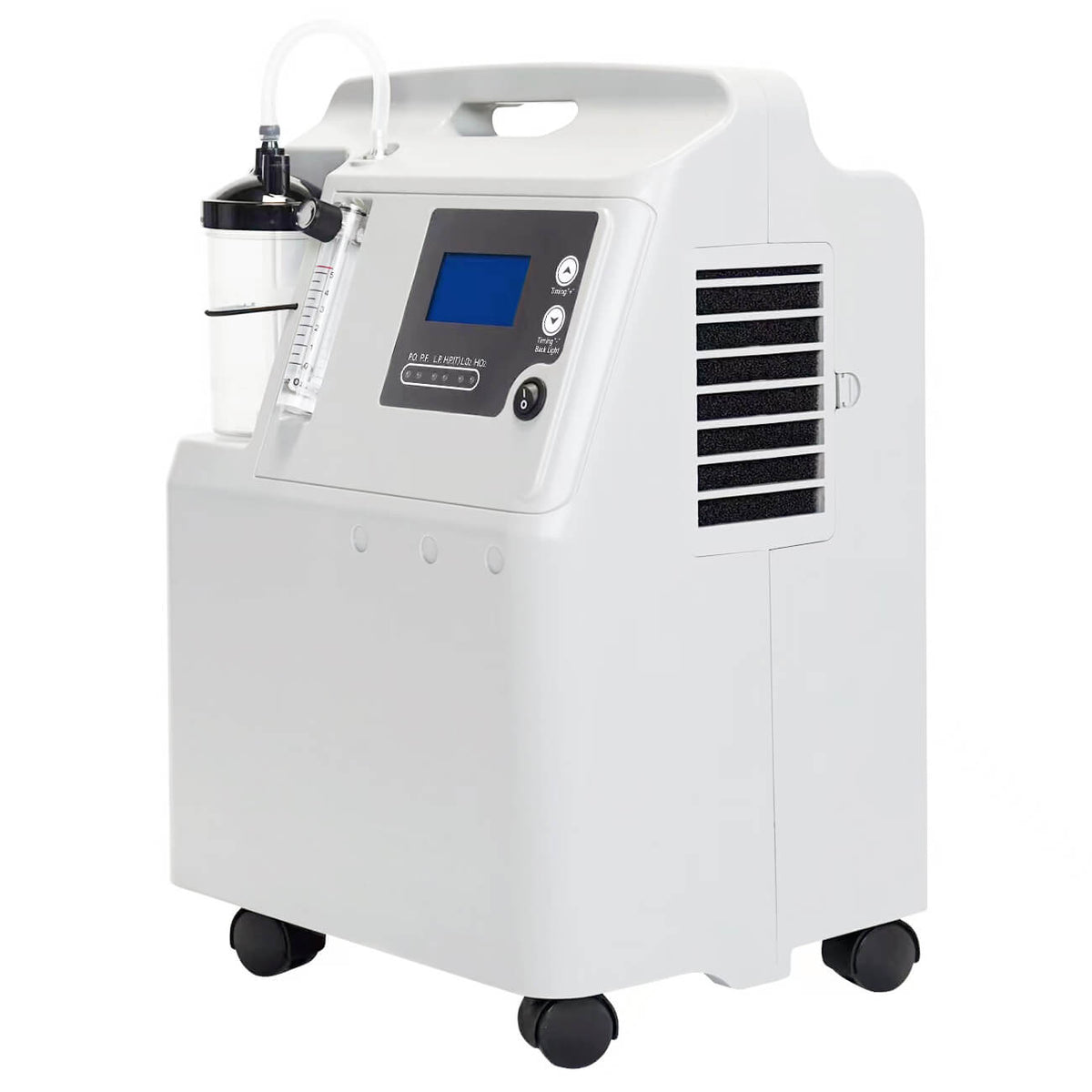
| 45–50 dB | Requires AC power (non-portable) | 0.5–5 LPM (Continuous) | ~10 lbs | Optional O2Ring support | Best for continuous, home use |
How to Set Up Your Portable Oxygen Concentrator for Overnight Therapy
Step-by-Step Setup Guide
- Place the concentrator on a flat, stable surface near your bed—ideally on a nightstand.
- Insert a fully charged battery or connect to AC power.
- Attach the nasal cannula or mask per your prescription.
- Turn on the device and select the prescribed flow setting.
- Check for indicator lights or screen confirmation of proper function.
- If you use an oximeter (like O2Ring), put it on before sleep to track your overnight oxygen levels.
Optimizing Comfort and Safety
- Keep tubing free of kinks and coils near your headboard.
- Position the device to minimize airflow noise—some users place it on a soft mat to dampen vibration.
- Set alarms to an audible but not startling volume.
Integration with Sleep Monitoring Devices
Pairing a pulse oximeter with your concentrator adds a safety net. Devices like the O2Ring track drops in oxygen saturation, recording overnight data for review with your provider.
Reading and Interpreting Device Reports
Understanding Real-Time O2 Feedback and Data Logs
Many new POCs display real-time oxygen output and battery status. Reviewing these logs helps you spot usage patterns or catch issues before they affect therapy.
Using Oximeters (like O2Ring) for Overnight Monitoring
O2Ring and similar devices log heart rate and O2 levels through the night, providing a fuller picture of your therapy's effectiveness. After a few nights of data, you’ll quickly see whether your settings are delivering the best oxygen concentrator for night use for your needs.
Cleaning, Maintenance, and Long-Term Reliability
Nightly and Weekly Cleaning Routines
Wipe down the device and replace or clean nasal cannulas as directed. Regularly check filters and vents for dust buildup to ensure consistent airflow.
Battery Care for Extended Use
Rotate batteries if you have spares and avoid letting them discharge completely. Store extra batteries charged and dry to extend their life.
Warranty and Support Considerations
All featured Wellue models offer a 3-year warranty and 30-day returns, providing peace of mind for long-term use and support if issues arise.
When to Consider a Home (Non-Portable) Oxygen Concentrator
Continuous Use Needs vs. Portability
If you need uninterrupted, high-flow oxygen or prefer not to worry about battery changes, a home unit like the Wellue 5L Oxygen Concentrator may suit you better. These are bulkier and require AC power but can run indefinitely.
Hybrid Solutions: Using Both Home and Portable Units
Some users keep a stationary home device for nightly use and a portable unit for travel or outings. This ensures you’re always covered, wherever you sleep.
If You’re Unsure
If you’re uncertain which model fits your needs, start by asking: Do you need true portability for travel, or is overnight reliability at home more important? Light sleepers should prioritize the quietest unit. If tracking your oxygen levels matters, choose a model with real-time O2 feedback or compatible monitoring devices. When in doubt, consult your healthcare provider for prescription details, then match your requirements to the specs in the table above.
Summary: Making Your Night-Time Oxygen Therapy Effective and Comfortable
Night-time oxygen therapy should support your health without disrupting your sleep or lifestyle. Prioritize noise, battery life, and monitoring features when selecting a POC for overnight use. For most users, the Portable Oxygen Concentrator with O2 Monitor strikes the best balance between quiet operation, battery runtime, and real-time tracking. If you need a lighter or more travel-focused solution, the Pulse Dose Portable Oxygen Concentrator is a strong alternative. Those who need continuous, high-output therapy at home should consider a stationary model for the most reliable overnight support.
Frequently Asked Questions
- What is the best oxygen concentrator for night use if I am a light sleeper?
- How long will a portable oxygen concentrator battery last overnight?
- Can I monitor my oxygen levels while using a portable concentrator at night?
- Is it safe to leave a portable oxygen concentrator running while I sleep?
- How do I clean and maintain my portable oxygen concentrator for nightly use?
Product Images
