Quick take
We break down who this device is best for, what it measures, and how it compares in the market.

Guide to Choosing a Portable Oxygen Concentrator for High Altitude Travel (2026)
Exploring the world’s great heights—whether trekking in the Rockies, visiting Machu Picchu, or touring alpine cities—can be exhilarating. For anyone needing supplemental oxygen, though, high altitude also brings genuine challenges. Air is thinner above 6,000 feet, reducing available oxygen. The right portable oxygen concentrator (POC) can make these adventures not just feasible, but comfortable and safe.
Key Takeaways
- High altitude demands oxygen concentrators with reliable purity (93%±3%) and consistent flow rates.
- For mountain travel, prioritize portability, battery life, and real-time oxygen feedback.
- Matching your device to your prescription and altitude destination is essential.
- Setup, monitoring, and regular maintenance ensure effective therapy far from home.
- FDA-cleared models with strong warranties offer extra peace of mind for remote journeys.
Why High Altitude Travel Demands Specialized Oxygen Support
How Altitude Affects Oxygen Needs
At higher elevations, barometric pressure drops, and each lungful of air contains less oxygen. Even healthy travelers may notice shortness of breath or fatigue. If you use supplemental oxygen for pulmonary, cardiac, or sleep conditions, these effects become more pronounced. A portable oxygen concentrator for high altitude use isn’t just a convenience—it’s often essential for safety and comfort.
Who Benefits from Portable Oxygen at Elevation
People with chronic lung disease (COPD, pulmonary fibrosis), heart problems, or sleep apnea are especially at risk for altitude-related hypoxia. A doctor’s prescription is required for POCs, but almost anyone with oxygen needs who plans time above 5,000 feet should consider a travel-ready device.
Understanding Portable Oxygen Concentrators for High Altitude Use
What Makes a Concentrator Suitable for Mountain Environments?
Not every device performs the same above sea level. Key is the ability to maintain medical-grade oxygen purity (typically 93%±3%) at reduced atmospheric pressure. Altitude performance ratings, robust battery life, and compact design also matter when you’re far from power outlets or on the move.
Key Differences: Home vs. Travel Models
Home oxygen concentrators are designed for stationary use, often with continuous flow and unlimited AC power. Portable models, by contrast, are lightweight, run on batteries, and favor pulse-dose delivery to stretch runtime—vital for long excursions or multi-day trips in the mountains.
Essential Features to Consider When Buying for High Altitude
- Oxygen Purity & Altitude Performance: Look for devices with a 93%±3% purity rating and proven function at higher elevations. Lower purity can mean less effective therapy when you need it most.
- Pulse Flow vs. Continuous Flow: Pulse-dose models are more common for travel, as they economize battery life by delivering oxygen only when you inhale. Continuous flow is sometimes necessary for sleep therapy or higher flow needs, but these units are heavier and drain batteries faster.
- Battery Life & Runtime: For mountain adventures, long battery life (6–9 hours per charge) is a must. Many travel POCs let you swap batteries for all-day outings.
- Portability: Size and weight matter when hiking or moving between altitudes. Look for models under 5 pounds with comfortable carrying options.
- FDA Clearance, Warranty, and Reliability: FDA-cleared devices have met safety and efficacy benchmarks. A solid warranty (3 years or more) is peace of mind when traveling to remote areas.
Comparison Table: Leading Portable Oxygen Concentrators for High Altitude
| Model | Oxygen Purity | Flow Settings | Weight | Battery Life | Best For | Review | Buy |
|---|---|---|---|---|---|---|---|
| 93%±3% | 1–5 Pulse | 4.37 lbs | Up to 9 hrs (2 batteries) | Best oxygen concentrator for mountains, all-day trekking | Wellue | ||
| 93%±3% | 1–5 Pulse | 4.37 lbs | Up to 9 hrs (2 batteries) | Portable oxygen for altitude sickness, lightweight travel | Wellue | ||
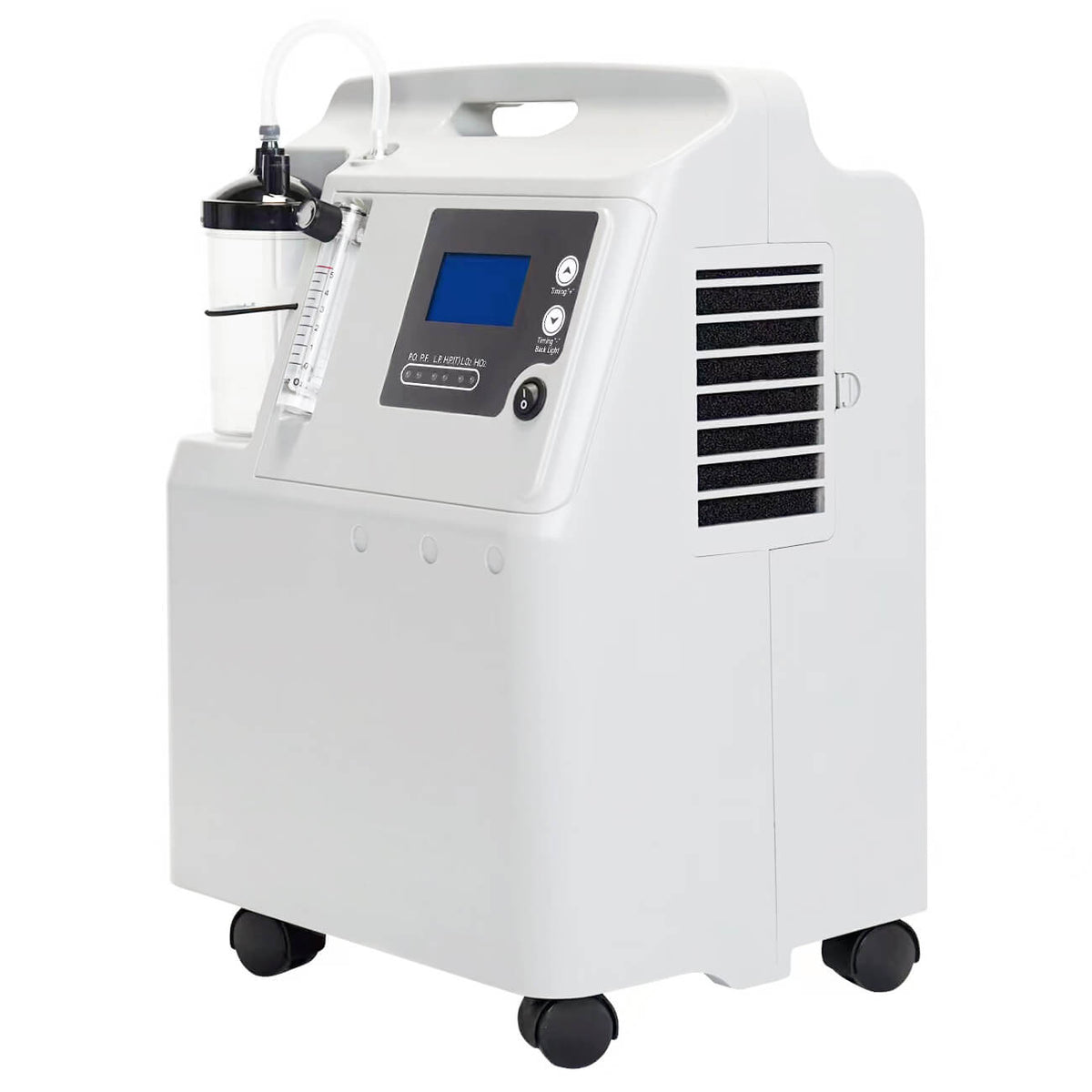
| 93%±3% | 0.5–5 LPM Continuous | 13.2 lbs | AC Power (Home Use) | High flow, basecamps or stationary use | Wellue |
Selecting the Best Oxygen Concentrator for Mountain Trips
Matching Your Prescription and Oxygen Flow Needs
Your doctor will specify flow rate requirements. For most travelers, a pulse-dose device with up to 5 settings covers typical exertion and rest periods at elevation. If you require continuous flow (for sleep or severe disease), a larger device or hybrid solution may be needed at basecamps or lodges.
Real-Time O2 Tracking and Feedback
Devices with real-time O2 monitoring, such as Wellue’s O2Ring companion, let you track blood oxygen and heart rate throughout your journey. This feedback is invaluable for adjusting flow or recognizing when to rest.
Top-Rated Models for the Mountains
The Portable Oxygen Concentrator with O2 Monitor is purpose-built for demanding travel. At just over 4 pounds and offering up to 9 hours of runtime with dual batteries, it’s a favorite for hikers and those needing sustained support at high altitude. A limitation is the need to carry spare batteries for multi-day treks, but this is offset by its lightweight build and real-time feedback for safe activity pacing.
 The Pulse Dose Portable Oxygen Concentrator excels for those prioritizing portability and simplicity. Equally light and battery-efficient, it slips easily into a daypack and provides reliable support for sightseeing, short hikes, or altitude adjustment days. Like all pulse models, it’s not suitable for those who require high continuous flows overnight, but for most travelers, it offers a practical balance of power and mobility.
The 5L Oxygen Concentrator is a better fit for stationary use at basecamps or hotels. With continuous flow up to 5 LPM, it’s ideal if your prescription demands higher rates not possible from compact battery devices. Its weight and need for AC power make it less suitable for active trekking but invaluable for overnight oxygen therapy at elevation.
Practical Guide to Using Your Portable Oxygen Concentrator at Altitude
- Setup Tips: Test your device at home before departure. Pack enough batteries and double-check all connections before heading out each day.
- Monitoring Oxygen Levels: Use a companion oximeter (like the O2Ring) to spot-check your SpO2 and pulse. Adjust your activity and flow settings as needed, and consult your provider if readings fall below safe thresholds.
- Maximizing Battery Life: Use lower flow settings when possible, carry fully charged spares, and power off during breaks. Extreme cold can reduce battery performance, so keep spares insulated in a jacket pocket.
Maintaining and Cleaning Your Oxygen Concentrator During Travel
- Wipe down exterior surfaces daily with a soft, damp cloth.
- Check filters and replace or clean per manufacturer guidance, even when on the road.
- If alarms sound or flow drops, inspect tubing and battery connections. Many issues can be resolved with basic troubleshooting, but always have a backup plan in remote areas.
Reading and Understanding Device Reports: Tracking Therapy Effectiveness
After mountain travel, review your device’s data and O2 feedback. Look for patterns: did you need higher flow at certain altitudes or exertion levels? If you experience persistent low oxygen readings or symptoms, reach out to your healthcare provider before your next trip.
Who This Is For
If you have a prescription for supplemental oxygen and plan to spend time above 5,000 feet—whether trekking, vacationing, or living at altitude—this guide is for you. It’s especially relevant for those seeking the best oxygen concentrator for mountains or portable oxygen for altitude sickness prevention and symptom management.
If You're Unsure
If you’re not sure which device to choose, start by reviewing your prescription’s flow requirements and your planned activities. Prioritize a lightweight, FDA-cleared device with at least 6–8 hours of battery life if you’ll be on the move. For mostly stationary needs at altitude, consider a higher-flow model. Still uncertain? Consulting your provider with this guide in hand is the best next step.
Conclusion: Empowering Safe and Enjoyable High Altitude Travel
A reliable portable oxygen concentrator transforms what’s possible in the mountains. For most travelers, the Portable Oxygen Concentrator with O2 Monitor delivers the best blend of performance, portability, and reassurance for high altitude use. If you need something even lighter or simpler, the Pulse Dose Portable Oxygen Concentrator is a strong alternative. With smart planning and the right device, you can breathe easy wherever adventure calls.