Quick take
We break down who this device is best for, what it measures, and how it compares in the market.

CPAP Mask Leak Troubleshooting Guide: Root Causes & Reliable Fixes (2026)
Key Takeaways
- Most CPAP mask leaks stem from fit, wear, or user habits—systematic troubleshooting usually resolves them.
- Persistent leaks may signal the need for a new mask, upgraded machine, or professional review.
- Routine cleaning and attentive maintenance prevent recurring leaks and boost comfort.
- Choosing the right mask and machine for your sleep style—like if you're a CPAP side sleeper—matters for long-term success.
Introduction: Why CPAP Mask Leaks Matter
Even the best CPAP or APAP machine can't deliver results if air escapes your mask. Leaks not only reduce the effectiveness of your sleep therapy but can also lead to noisy nights, dry eyes, or disrupted sleep for both you and your partner. Spotting and fixing leaks quickly ensures your therapy remains comfortable and effective, whether you're new to CPAP or managing ongoing sleep apnea treatment at home.
The Impact of Leaks on Sleep Therapy Efficacy
Leaks cause inconsistent air pressure, undermining the intended benefits of your device. Over time, this can leave you feeling as tired as before therapy began. Plus, frequent leaks may mask issues in your CPAP report, making it harder to optimize your care.
Common Signs You Have a CPAP Mask Leak
- Hissing or whistling sounds from the mask or tubing
- Dry mouth, nose, or eyes upon waking
- Red marks or soreness on your face
- Therapy data showing high leak rates or poor mask seal warnings
Step 1: Safe Initial Checks Before Troubleshooting
Ensure Proper Device Setup and Prescription Compliance
Before adjusting anything, confirm your device setup matches your prescription. The FDA advises that home-use medical devices, including CPAP/APAP machines, should be set up following provider instructions. Always use the prescribed pressure settings, mask type, and ensure your machine (whether CPAP, APAP, or BiPAP) is FDA-cleared and maintained as recommended (FDA source).
Checking Mask Fit: Full Face, Nasal, and Nasal Pillow Options
Masks come in several styles. Full face masks, nasal masks, and nasal pillows each have unique fit characteristics. Some APAP packages, like the APAP With More Mask Options, let you pick from multiple mask types and sizes for a tailored fit. If you’re a CPAP side sleeper, a nasal pillow or slimmer mask often seals more reliably during movement.
When to Consult Your Provider or Refer to FDA Guidance
If you’re unsure about your setup, or if your prescription changed, reach out to your sleep specialist or DME supplier. For safety, never modify pressure settings without approval.
Step 2: Quick Fixes for the Most Frequent CPAP Mask Leak Causes
Adjusting Headgear for a Secure Yet Comfortable Fit
Many leaks are solved by tightening—or occasionally loosening—the headgear straps. The mask should sit snugly against your face, but overtightening can deform the seal or cause soreness.
Mask Positioning for CPAP Side Sleepers
Side sleeping can shift your mask, breaking the seal. Try repositioning your mask when you change sides, or consider a mask designed to stay put during movement. Some nasal pillow masks are especially stable for side sleepers.
Managing Facial Hair, Skin Oils, and Mask Seal Integrity
Facial oils and stubble interfere with mask seals. Wash your face before bed and clean your mask cushion daily. Trim facial hair if possible, or use mask liners to improve the seal.
Tips for Easy Leak Reduction During the Night
- Re-seat the mask if you feel air escaping
- Use a CPAP pillow to reduce mask pressure and movement
- Check for twisted or misaligned straps
Step 3: In-Depth Mask and Machine Troubleshooting Flow
Identifying Mask Wear, Tear, and Incorrect Sizing
Masks degrade over time—cushions flatten, silicone cracks, and headgear stretches. If your mask is more than six months old or shows visible wear, it likely won’t seal well. Sizing can change too; weight gain, loss, or facial changes may require a different mask size.
Tubing, Connection, and Valve Checkpoints
Inspect your tubing for holes, kinks, or loose connections. Make sure the exhalation valve is functioning. Replace tubing if you see any signs of damage.
Pressure Settings: CPAP vs APAP Machine Comparison
APAP machines, like the Auto-CPAP / APAP Machine, automatically adjust pressure and may compensate for minor leaks better than fixed-pressure CPAP. However, substantial leaks will still degrade therapy on any device. If you’re comparing CPAP vs APAP machine performance for leak handling, APAP’s flexibility is often an advantage for users with changing needs or mask fit issues.
When to Try a Different Mask Type or Size
If you’ve addressed fit and maintenance but still experience leaks, consider switching mask types. Some users do better with a full face mask, while others find nasal pillows or a nasal mask more secure—especially if you’re a CPAP side sleeper.
Step 4: Escalation Triggers—When Quick Fixes Aren’t Enough
Persistent Leaks Despite Proper Fit: Time for a New Mask?
If leaks persist after you’ve tried all home fixes, your mask may be past its useful life or simply not right for your face shape. Upgrading to a fresh mask or a new style is often the next step.
Consulting Your Sleep Specialist or DME Supplier
Don’t hesitate to reach out for professional advice, especially if your therapy data shows ongoing leaks or you’re experiencing symptoms of untreated sleep apnea.
Considering Device Upgrades: CPAP vs BiPAP Comfort Comparison
For users with chronic mask fit issues or those needing higher pressures, a BiPAP machine may provide more comfort and improve leak management. Review your options with your provider, especially if you’re weighing CPAP vs BiPAP comfort for your specific scenario.
Step 5: Preventive Care and Routine Maintenance
Daily, Weekly, and Monthly Cleaning Steps
- Daily: Wipe the mask cushion with a gentle, non-alcoholic wipe or mild soap and water.
- Weekly: Wash headgear, tubing, and mask thoroughly; air dry completely.
- Monthly: Inspect for wear, replace filters, and review mask/cushion integrity.
Recognizing Signs of Mask and Machine Wear
Yellowing, cracking, persistent odors, or a loose seal are clear signals it’s time to replace parts. Following a schedule prevents sudden leak issues and keeps your therapy on track.
Reading CPAP Reports to Monitor Leak Trends
Modern machines, like the Auto-CPAP / APAP Machine + O2Ring, track leak rates and patterns. Reviewing your CPAP report lets you spot trends and intervene early if leaks begin creeping up.
Step 6: Choosing the Right CPAP Mask and Machine for Leak Minimization
CPAP Buying Guide for Beginners
Start with a machine that offers flexible pressure settings and supports multiple mask styles. Look for models with clear data reporting and quiet operation.
Cheap vs Premium CPAP Machine Differences
Premium machines often include features like automatic pressure adjustment, mask fit detection, and quieter operation. These extras can make leak management easier, but even budget models can perform well if maintained properly.
CPAP Machine Cost vs Value Analysis
Investing in a quality machine and mask pays off in fewer leaks, better comfort, and improved sleep. Evaluate value not just by sticker price, but by therapy performance and support options.
Troubleshooting Table: Leak Sources, Quick Fixes, and Escalation Points
| Leak Source | Quick Fix | Escalation Point |
|---|---|---|
| Loose or misaligned mask | Re-seat mask, adjust straps | Persistent leaks after adjustment: try a new mask or size |
| Worn mask cushion/headgear | Replace worn components | Ongoing issues: upgrade mask or seek provider input |
| Tubing leaks/holes | Replace tubing | Multiple failures: check for machine or humidifier leaks |
| Incorrect pressure setting | Verify settings with provider | Pressure feels wrong: schedule provider review |
| Facial hair or skin oils | Clean face/mask, use liner | Persistent leak: discuss alternative masks |
Who This Is For
This guide is designed for CPAP and APAP users troubleshooting mask leaks at home—whether you're a beginner, a CPAP side sleeper struggling with overnight leaks, or someone evaluating CPAP vs APAP machine comparison for fit and comfort. If you're unsure, start with simple checks and cleaning. If leaks persist, try a different mask style or consult your sleep specialist to ensure both safety and results.
Summary: Achieving Leak-Free Sleep Therapy
CPAP mask leaks are frustrating but rarely insurmountable. Systematic troubleshooting and routine maintenance resolve most issues quickly. When in doubt, choose a mask that fits your sleep style and a machine with flexible comfort options. For persistent leaks or comfort concerns, don't hesitate to upgrade your equipment or seek professional input. For many users, an auto-adjusting APAP with multiple mask options offers the best balance of comfort, leak control, and therapy value.
Product Spotlight
Auto-CPAP / APAP Machine
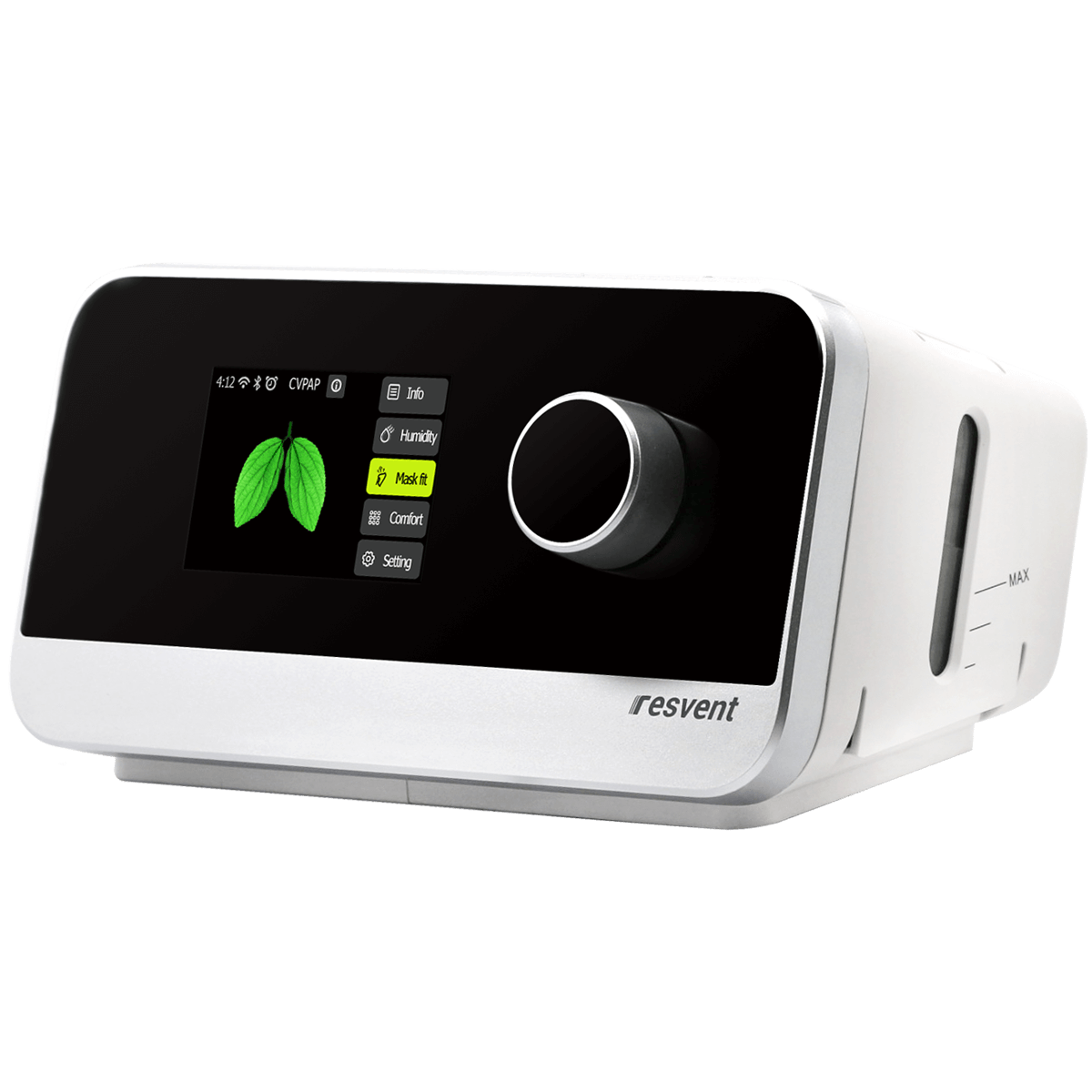
This model stands out for nightly comfort and auto-adjusting pressure, which helps minimize leaks by adapting to your breathing needs. It's best for users who want modern features and therapy data insights to track progress. A minor drawback is the learning curve for initial setup, but once dialed in, most users report fewer leak issues and better sleep. If you travel or require flexibility, this machine is a practical upgrade.
APAP With More Mask Options
Offering both full face and universal nasal pillow masks, this setup lets you find the right fit for your nightly needs. It's ideal for anyone who hasn't found their perfect mask yet, or who wants to experiment with styles (especially for side sleepers). The main limitation is that it's an accessory package, so check compatibility before ordering. For those new to CPAP or struggling with leaks, this flexibility can be game-changing.