Quick take
We break down who this device is best for, what it measures, and how it compares in the market.
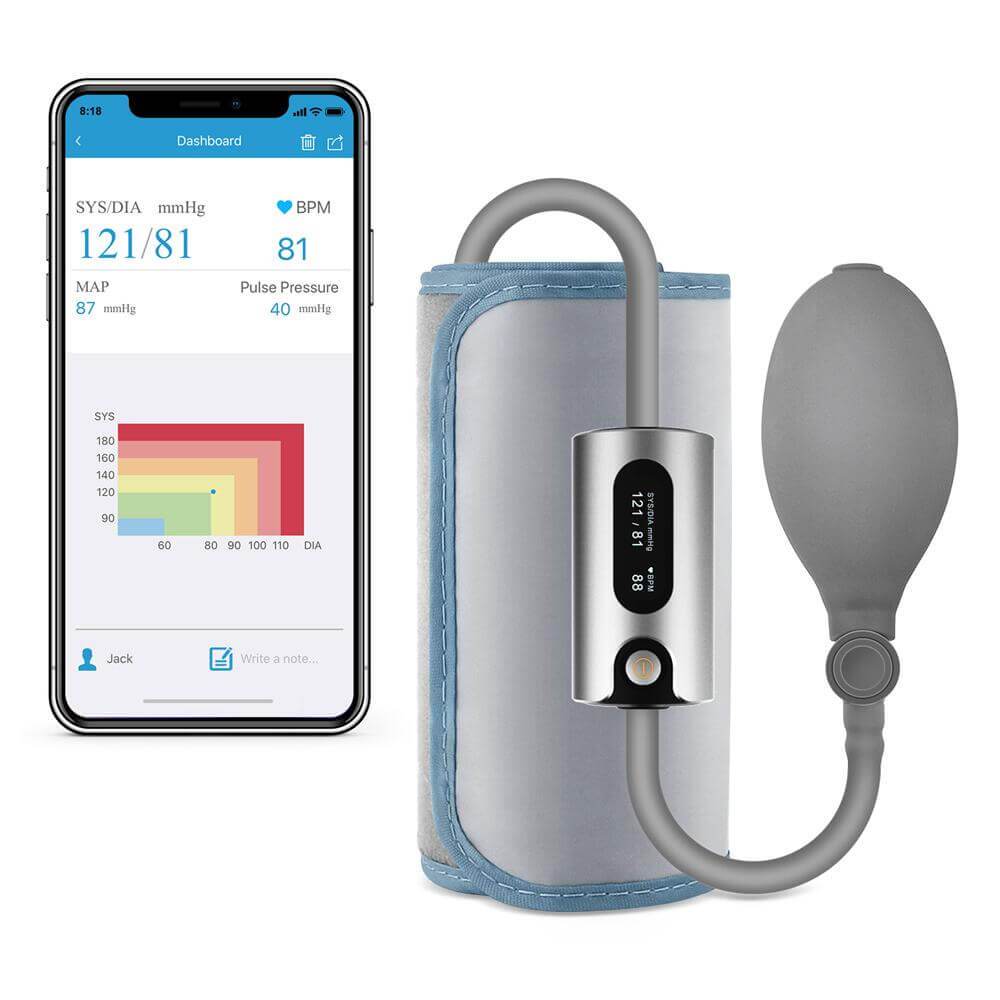
Comparison of Home Blood Pressure Monitors with Color-Coded Displays (2026)
Key Takeaways
- Color-coded displays let you spot healthy or concerning blood pressure ranges instantly, removing guesswork from home monitoring.
- Top models balance accuracy, user-friendly design, and accessibility—crucial for anyone managing hypertension or caring for family.
- The best color-coded BP monitor for you depends on your eyesight, tech comfort, and where you'll use the device most.
- Regular maintenance and correct measurement technique are as important as the display type for reliable results.
Introduction: Why Color-Coded Blood Pressure Monitors Matter
Blood pressure numbers alone can be confusing—even for those who monitor them regularly. For the millions managing hypertension at home, a color-coded blood pressure monitor offers instant, visual feedback: green for normal, yellow for elevated, red for high. No need to memorize clinical cutoffs. This clarity matters, especially for older adults, anyone with limited health literacy, or families sharing a device. As home BP monitoring becomes the norm, choosing a BP monitor with color display can empower you to act sooner and more confidently.
Making Blood Pressure Readings Accessible for Everyone
With hypertension affecting nearly half of US adults (CDC), accessible monitoring tools are essential. Color-coded displays bridge the gap between clinical accuracy and home usability, helping users interpret results at a glance—no medical background required.
Understanding Color-Coded Display Systems
What is a Color-Coded Display on BP Monitors?
These devices overlay your blood pressure result with a color bar or screen background, often based on the World Health Organization (WHO) hypertension guidelines. For example, systolic and diastolic readings are instantly mapped to green (normal), yellow (elevated), or red (high), clarifying your status without needing to consult a chart.
How Color Codes Simplify Blood Pressure Interpretation
Instead of deciphering numbers, you see your range at a glance. This is particularly helpful during routine self-checks or when supporting a loved one. The best color-coded blood pressure monitors reinforce healthy habits by making readings less intimidating and more actionable.
Benefits for Older Adults and Users with Limited Health Literacy
Larger, brightly lit color displays support those with impaired vision or cognitive challenges. For those less familiar with medical terms, color cues provide confidence and reduce misinterpretation.
Key Features to Evaluate in BP Monitors with Color Displays
- Display Size and Brightness: Bigger, brighter screens are easier to read in any lighting.
- Color Scheme Clarity: Look for clear, high-contrast colors that match WHO guidelines for hypertension.
- Ease of Use: One-touch operation, clear cuff fit, and intuitive menus are essential—especially for older users.
- Accuracy and Validation: Choose FDA-cleared models or those that meet international medical device standards.
- Data Storage and Offline Readout: Even if you don’t use the app, local memory helps track trends over time.
Top Home Blood Pressure Monitors with Color-Coded Displays (2026)
Wellue AirBP Plus Blood Pressure Monitor with Screen
The AirBP Plus stands out for its reliable upper-arm readings and classic, easy-to-read color bar display. This model auto-inflates and averages measurements for added accuracy, syncing with an app if you want digital tracking. It’s best for those who value clear, at-a-glance results but prefer a no-fuss, home-based routine. One limitation: getting a proper cuff fit and posture is key to accuracy. In use, the AirBP Plus is ideal for daily checks at home, especially for families or anyone who needs to interpret results quickly.
Wellue Smart Blood Pressure Watch (with Micro Aircuff)

For those seeking seamless, wearable monitoring, the Wellue Smart Blood Pressure Watch brings convenience to the wrist. Its color-coded display and continuous tracking appeal to tech-savvy users or anyone needing BP data on the go. While wrist-based readings can be less precise than upper-arm cuffs, regular calibration and proper positioning can help. This model shines for busy users, travelers, or those tracking blood pressure trends during activity, but might not be the top pick if absolute accuracy is your priority.
Wellue Bluetooth Upper Arm Blood Pressure Monitor
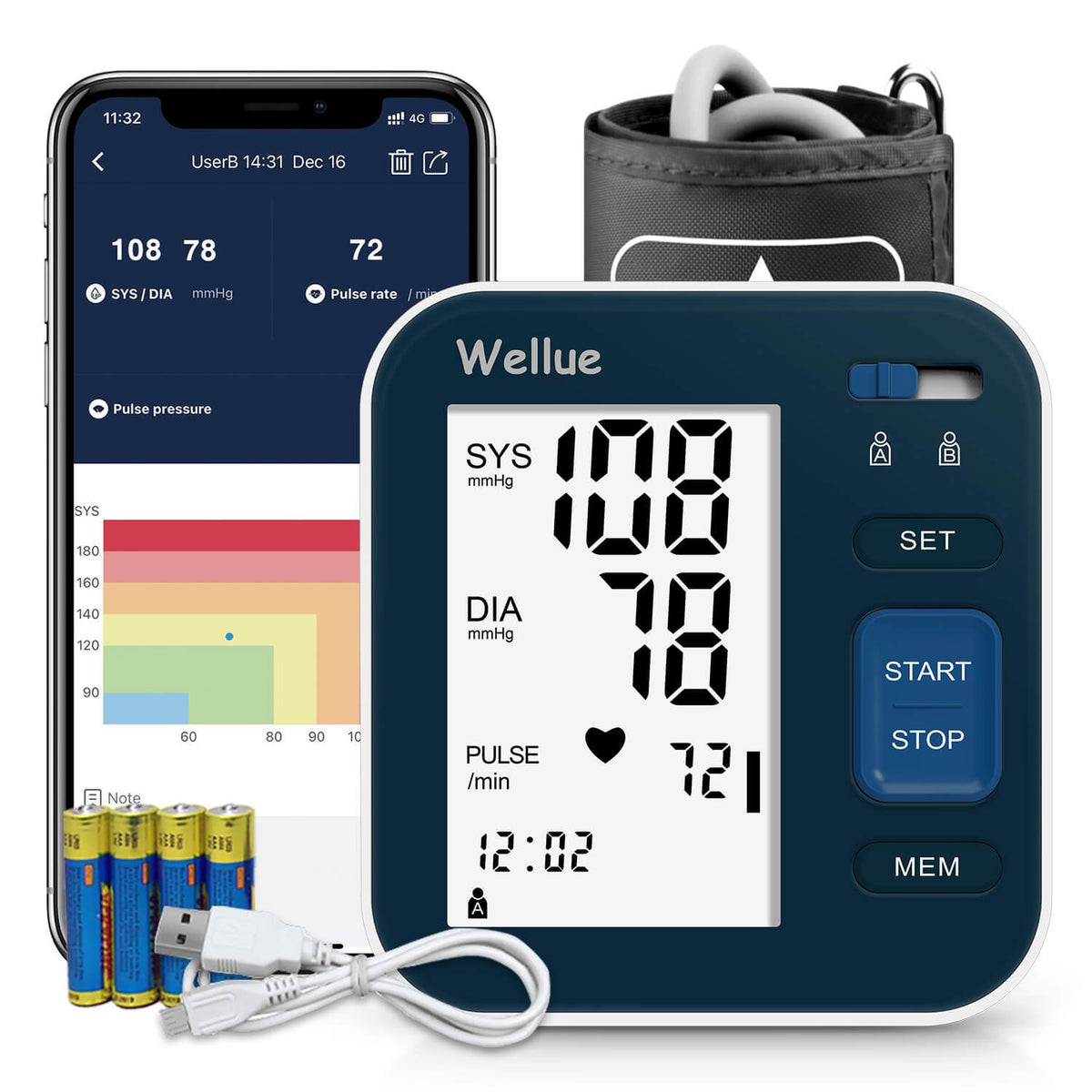
The Bluetooth Upper Arm Blood Pressure Monitor offers a blend of traditional upper-arm accuracy and modern color-coded feedback. Its display is crisp, with clear color bars tied to each reading, and the device offers single-button operation—great for anyone easily overwhelmed by extra features. Like the AirBP Plus, proper cuff fit is crucial, but in a family setting or for elderly users, the intuitive color cues lower the risk of misreading. This is a dependable choice for at-home, routine monitoring where ease of interpretation is a must.
Other Notable Models for BP Monitor with Color Display
While Wellue leads in accessible design, a handful of other brands offer color-coded monitors, but many lack the combination of app support, accuracy, and display clarity found in the models above. Always check if the color scheme aligns with WHO or AHA guidelines for blood pressure categories and that the display is large enough for your needs.
Comparison Table: Best Color-Coded Blood Pressure Monitors (2026)
| Model | Display Type | Accessibility | Accuracy | Ease of Interpretation | Portability | Best For | Product Page | Review |
|---|---|---|---|---|---|---|---|---|
| Large color bar, upper-arm | High (big, bright screen) | Excellent (upper-arm, auto avg.) | Instant (WHO color bands) | Home use | Routine tracking, families | View | ||
| Wrist color screen | Moderate (smaller screen) | Good (calibration needed) | Quick (color alerts) | High (wearable) | On-the-go, trend tracking | View | ||
| Large color bar, upper-arm | High | Excellent | Instant | Moderate | Simple at-home checks | View |
Who This Is For
If you often feel uncertain about your blood pressure numbers, or you’re caring for someone who needs clear, actionable feedback, a best color-coded blood pressure monitor is for you. These devices are particularly helpful for elderly users, people managing hypertension, and families sharing one monitor. Anyone who values clear, instant interpretation over sifting through numerical charts will benefit most.
If You’re Unsure
Unsure which type to pick? If you want the most accurate readings and won’t travel much, an upper-arm model with a large color display (like AirBP Plus or the Bluetooth Upper Arm BP Monitor) is the safest bet. Prefer all-day tracking or need portability? The Smart BP Watch offers freedom to check trends anywhere, but remember to calibrate it regularly for best results.
Reading and Interpreting Color-Coded Results Safely
- Always sit calmly and position the cuff correctly according to the device’s instructions.
- Use the color guidance as a prompt: green means normal, yellow suggests monitoring, and red indicates it’s time to consult your clinician—especially if readings are consistently high.
- Don’t rely solely on color; if you feel unwell, seek medical advice regardless of display color.
Care, Cleaning, and Maintenance
- Wipe down the device and cuff after each use with a soft, damp cloth.
- Keep the display clean and avoid moisture buildup, which can cloud the screen.
- If colors fade or the display seems off, check the battery and consult the manual for troubleshooting.
Conclusion: The Future of Home BP Monitoring with Color Displays
Color-coded displays aren’t just a convenience—they are a practical step toward better self-care and early intervention. For most people, the AirBP Plus Blood Pressure Monitor strikes the best balance of clarity, accuracy, and ease of use for everyday home tracking. If you need portability and trend visibility on the move, the Smart Blood Pressure Watch is your go-to alternative. Whatever you choose, a quality color-coded BP monitor transforms numbers into knowledge, supporting you in making informed health decisions at home.