Quick take
We break down who this device is best for, what it measures, and how it compares in the market.
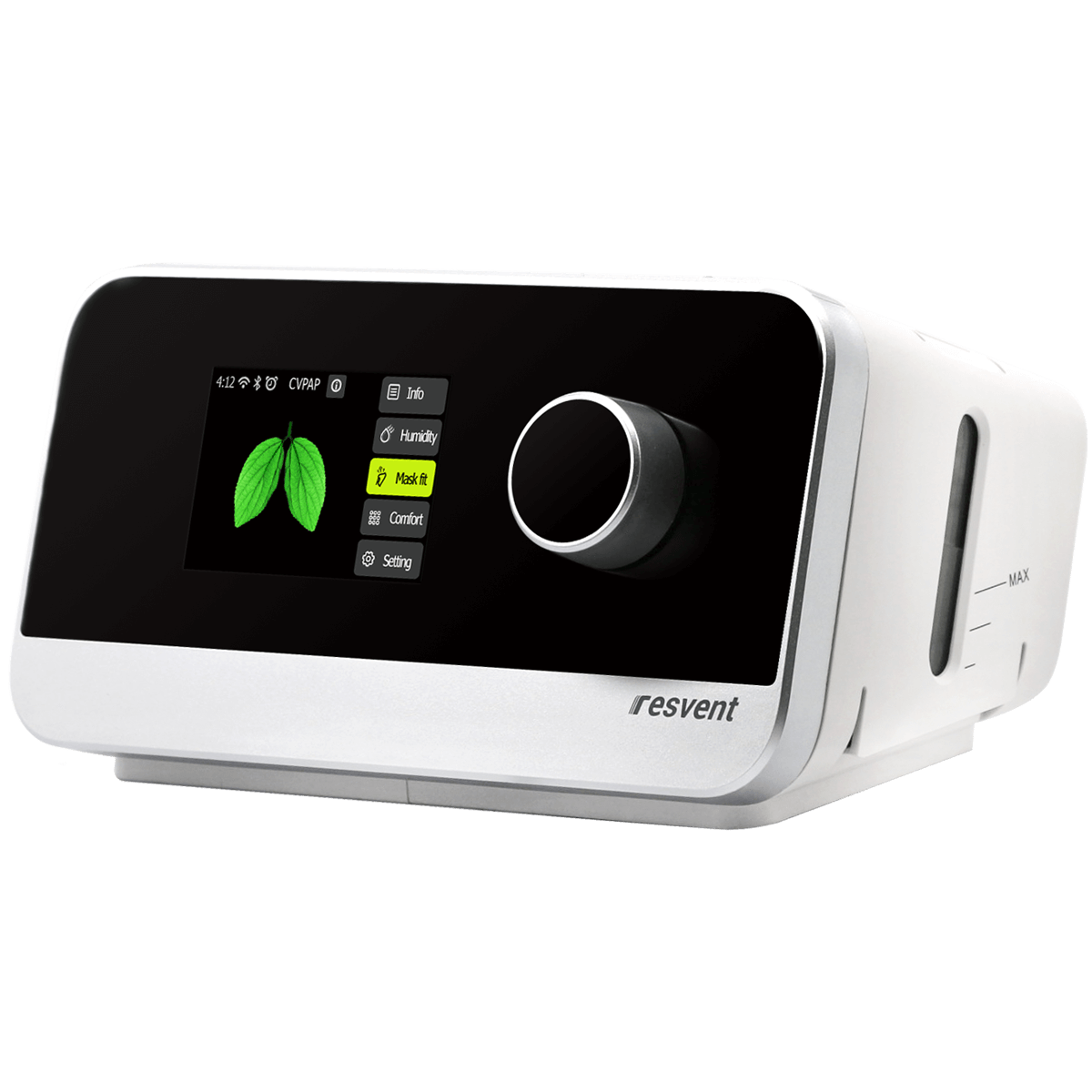
Cheap vs Premium CPAP Machine Differences: Value, Features & Who Should Upgrade (2026 Guide)
Key Takeaways
- Premium CPAP machines justify their price with advanced comfort, flexible pressure modes, and deeper data tracking, but not every user will benefit from every upgrade.
- Side sleepers, those with complex sleep apnea, or users with additional comfort needs see the most value from premium features.
- Consider long-term needs—reliability, support, and nightly comfort—over just upfront price when choosing a CPAP.
- Proper setup, maintenance, and understanding your device's reports matter as much as the device itself for successful therapy.
- Consult a qualified sleep specialist before making decisions, especially if considering APAP, BiPAP, or integrated oxygen monitoring.
Introduction: Why Compare Cheap and Premium CPAP Machines?
Choosing a CPAP machine isn’t just about finding the lowest price—it’s about getting the right sleep therapy for your health, comfort, and lifestyle. With more choices (and features) on the market than ever, knowing what you’re paying for can shape your sleep quality for years to come.
Who Needs This Guide?
If you’ve been prescribed CPAP, are debating between basic and advanced models, or want to understand if features like auto-adjusting pressure or integrated oxygen monitoring are worth it, this guide is for you.
How Costs and Features Influence Sleep Therapy
Upfront cost is only one part of the equation. Comfort features, data access, and reliability can mean the difference between a device you use nightly and one that gathers dust. Let’s break down what matters most.
Understanding CPAP Basics: What All Machines Offer
Core Functions of Any CPAP
Every FDA-cleared CPAP machine—cheap or premium—delivers a steady stream of pressurized air to keep your airway open during sleep. This core function is non-negotiable and is what makes any machine a potential therapy option.
Safety, FDA Standards, and Prescription Requirements
All CPAPs sold in the US require a prescription and must meet rigorous FDA standards for safety and effectiveness (FDA.gov). Whether you pay $300 or $1,300, any machine you buy new should meet these baseline standards.
CPAP Machine for Side Sleeper: What Matters Most
For side sleepers, comfort, mask fit, and stability of air pressure are crucial. Some premium machines offer finer pressure adjustments and more advanced leak compensation, which can make a difference for restless or position-changing sleepers.
Cheap vs Premium CPAP Machine Differences: Key Breakpoints
| Feature | Cheap CPAP | Premium CPAP | Who Benefits |
|---|---|---|---|
| Pressure Modes | Fixed only | Auto (APAP), sometimes BiPAP | APAP: Most users; BiPAP: Complex apnea or those needing exhale relief |
| Comfort Features | Basic, manual ramp | Auto ramp, humidification, quieter motors | Light sleepers, side sleepers, new users |
| Data Tracking | Minimal, basic compliance | Detailed, app-based, exportable | Users tracking progress, doctor monitoring |
| Build Quality | Basic plastics, smaller screens | Sturdier, larger color screens, easier buttons | Frequent users, travel |
| Support & Warranty | Shorter, limited support | Longer, responsive support | Anyone wanting peace of mind |
| Oxygen Monitoring | Rarely included | Integrated or add-on (e.g., O2Ring) | Cardiac risk, progress tracking |
Feature Deep Dive: Which Upgrades Actually Matter?
Flexible Pressure and APAP: CPAP vs APAP Machine Comparison
Traditional CPAP delivers one set pressure all night. APAP (auto-adjusting CPAP) machines like the iBreeze APAP automatically adjust pressure based on your breathing. Most users find APAP more comfortable, especially if their pressure needs vary.
BiPAP Comfort Comparison: Is BiPAP Machine Worth Buying?
BiPAP machines offer two pressure levels—one for inhale, one for exhale. They’re typically reserved for users with complex or central sleep apnea, or those who struggle with exhaling against high pressure. For most, APAP is sufficient, but BiPAP can be a game-changer for specific clinical needs.
Oxygen Monitoring and Sleep Data: Home ECG & Rhythm Monitoring
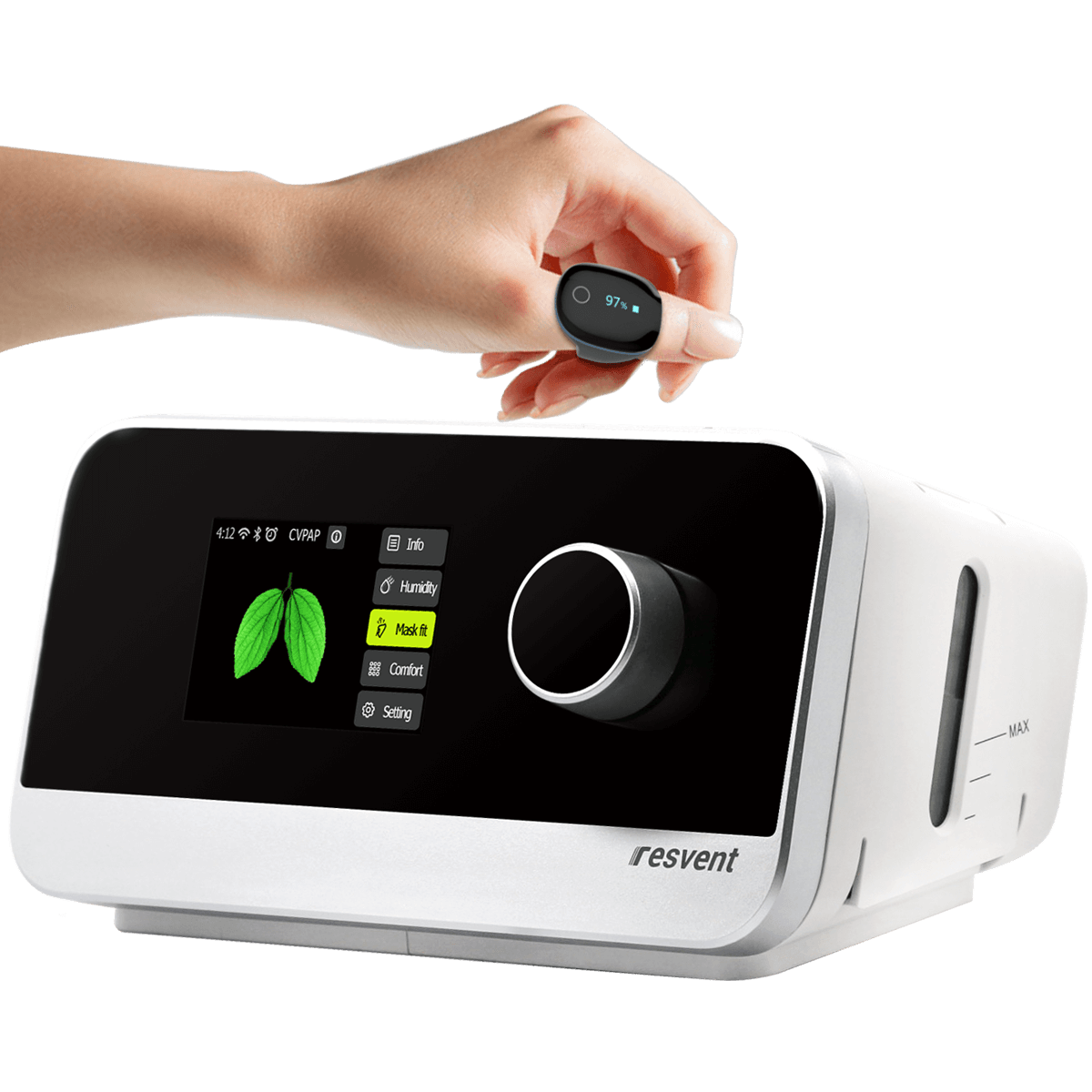
Premium packages now bundle oxygen monitoring tools like the O2Ring, letting you track overnight O2 drops. This is especially useful if your provider wants to assess the therapy’s effect on your oxygen levels or if you have specific cardiac concerns (see iBreeze APAP + O2Ring).
Integration with Other Devices: Portable Oxygen Concentrators & O2Ring
Some premium machines support integration with portable oxygen concentrators or advanced sleep trackers, offering a more complete picture of your sleep health. This level of detail may be excessive for simple cases but valuable for complex scenarios.
Comparison Table: Cheap vs Premium CPAP Machines at a Glance
| Model | Pressure Modes | Comfort Features | Data Tracking | Oxygen Monitoring | Best For | Links |
|---|---|---|---|---|---|---|
| Fixed | Simple ramp | Basic compliance only | No | Budget-first, mild apnea | ||
| Auto (APAP) | Ramp, quiet, humidification | Detailed, app-based | Optional | Most CPAP users, side sleepers | ||
| Auto (APAP) | As above | As above + O2 stats | Yes (O2Ring) | Users tracking O2, cardiac risk |
Who Should Pay for Premium? Cost-to-Value Analysis by User Profile
- First-Time Users with Mild Sleep Apnea: A basic CPAP can suffice if cost is a major concern, but many find APAP’s comfort worth the price, especially for adapting to therapy.
- Side Sleepers and Sensitive Sleepers: Premium features like auto pressure, leak compensation, and quieter operation typically lead to higher therapy satisfaction.
- Users with Complex Sleep Apnea or Cardiac Concerns: Upgrading to BiPAP or APAP with oxygen monitoring makes sense if your doctor recommends tracking O2 or if you need fine-tuned pressure support.
- Frequent Travelers and Portability Needs: Premium machines are often lighter, more robust, and offer easier data transfer for therapy-on-the-go.
Setting Up and Maintaining Your CPAP Machine
Device Setup: First-Time User Tips
Always follow manufacturer setup instructions, use the correct mask size, and consult your provider for pressure settings. For the iBreeze APAP, setup is straightforward but benefits from a walkthrough if you’re new to sleep devices.
Reading and Interpreting Device Reports
Premium machines deliver therapy data via apps—watch for trends in usage, pressure, and leak rates. Bring reports to your sleep specialist for interpretation.
CPAP Machine Cleaning & Maintenance Essentials
Daily mask cleaning and weekly hose/tank cleaning are critical. Premium models may make disassembly and cleaning easier, but all require regular maintenance for safe operation.
Making Your Decision: Practical Steps Before You Buy
- Make a checklist of must-have vs nice-to-have features (e.g., auto pressure, humidification, data tracking).
- Discuss your specific needs and sleep style with your doctor, especially if you’re a side sleeper or have cardiac issues.
- Consider upgrading if you struggle with comfort, need more detailed data, or want to track overnight oxygen.
Who this is for
This guide is designed for new CPAP users, side sleepers seeking better therapy fit, and anyone evaluating whether to upgrade from a basic to a premium sleep therapy device. If you need to compare a cpap vs apap machine, want a cpap machine for side sleeper use, or are wondering if a bipap machine is worth buying, you’ll find clear advice here.
If you’re unsure: Start by matching your prescription and comfort priorities. If you need flexible pressure or plan to track oxygen, consider a premium model. Otherwise, a basic CPAP might be all you need—especially if price is a top concern.
Key Takeaways (Summary)
- Not all users benefit from every premium CPAP feature—choose based on comfort, compliance, and your sleep needs.
- Side sleepers and those with complex apnea or cardiac risks should look closely at premium options with APAP/BiPAP and O2 monitoring.
- Long-term value often outweighs initial cost—don’t underestimate the impact of support, reliability, and ease of data access.
FAQs: Cheap vs Premium CPAP Machine Differences
- What are the main differences between cheap and premium CPAP machines?
- Premium machines add auto-adjusting or dual-pressure modes, comfort features, advanced data tracking, and better build quality. Cheap models typically offer only fixed pressure and basic reporting.
- Do side sleepers need a premium CPAP machine for best results?
- Side sleepers often benefit from premium features like flexible pressure and leak compensation, but mask fit is equally important. Not all side sleepers need premium, but many find it improves comfort and compliance.
- How do APAP and BiPAP machines compare to standard CPAP for comfort?
- APAP automatically adjusts pressure for comfort, while BiPAP offers easier exhalation at high pressures. Both can offer significant comfort upgrades over standard CPAP for users whose needs vary or who struggle with exhale pressure.
- Is it worth paying extra for advanced data tracking and oxygen monitoring?
- For most users, detailed data tracking can improve therapy compliance and help providers fine-tune treatment. Oxygen monitoring is especially valuable for those with cardiac risks or complex apnea.
- What are the must-have features for first-time CPAP users?
- At minimum, look for a device with ramp settings, quiet operation, and reliable support. Auto-adjusting pressure and easy data access are excellent upgrades for most new users.
Product Snapshots
Final Recommendation
For most users, a premium APAP like the iBreeze offers the best balance of comfort, adaptability, and data insight—especially if you’re a side sleeper or value easy progress tracking. If cost is your key concern and your sleep apnea is mild, a simple fixed-pressure CPAP can still provide effective therapy. When in doubt, consult your sleep specialist and prioritize features that make nightly use easier for you.