Quick take
We break down who this device is best for, what it measures, and how it compares in the market.
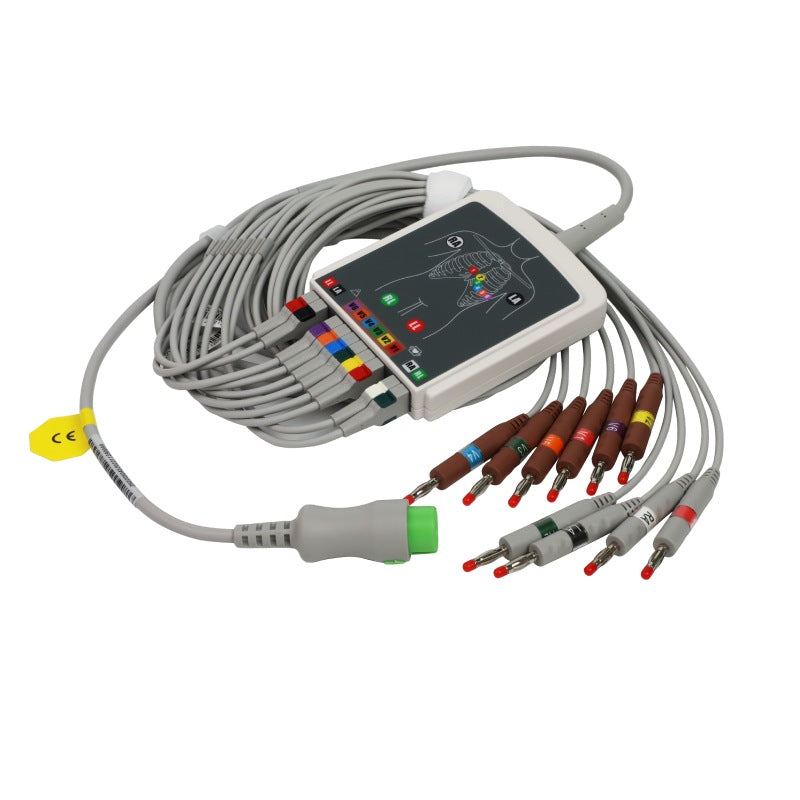
Cheap and Best BP Monitor: 2026 Guide to Value, Features & Home Use
Monitoring your blood pressure at home is one of the simplest ways to take charge of your long-term health. With hypertension affecting millions worldwide (NHLBI), regular checks can help you and your healthcare provider make informed decisions. The good news: a cheap and best BP monitor today can be both accurate and feature-rich—if you know what to look for.
Key Takeaways
- A cheap and best BP monitor can deliver reliable results if you know which features matter most.
- App connectivity, validation, cuff fit, and ease of use are essential factors—more expensive does not always mean better.
- 24-hour blood pressure monitors look and function differently from home models; most people can monitor at home with affordable options.
- Premium features are only necessary for specific users; most can find excellent value in mid-range monitors.
- Integrating BP monitoring with other home health devices (like oxygen or ECG monitors) offers a fuller picture of your wellness.
Understanding Blood Pressure Monitoring at Home
Why Home BP Monitoring Matters
Home monitoring gives you a clearer picture of your blood pressure trends outside the clinic. It reduces the impact of 'white coat syndrome' and catches hidden hypertension, supporting more personalized care.
What Is High Blood Pressure?
According to the NHLBI and Mayo Clinic, high blood pressure (hypertension) is typically defined as a reading of 130/80 mm Hg or higher. Regular home monitoring can help identify changes early and support treatment decisions.
Types of Home BP Monitors
- Upper arm cuff monitors: Most accurate and widely recommended for home use.
- Wrist monitors: Portable, but less reliable if not used exactly as directed.
- Ambulatory (24-hour) monitors: Used under medical guidance for around-the-clock measurement.
What to Look for When Buying a Blood Pressure Monitor
Essential Features for Reliable Readings
- Automatic inflation and deflation
- Clear digital display
- Multiple user memory (for family sharing)
- One-touch operation
Cuff Size, Fit, and Comfort
A proper cuff fit is critical for accuracy. Most affordable models now include adjustable, medium-to-large cuffs. Avoid wrist cuffs unless upper arm use is not possible.
Affordable Blood Pressure Monitors with App Connectivity
Many budget-friendly models now sync with smartphone apps. This makes it simple to track trends, export data, and share reports with healthcare providers. Look for Bluetooth or USB connectivity if digital record-keeping matters to you.
Accuracy, Validation, and FDA Clearance
Check that your chosen monitor is validated against recognized standards and, ideally, FDA-cleared (FDA). User error can affect any device, but clinical validation ensures the baseline hardware is trustworthy.
Cost vs. Value: Do You Need a Premium Option?
Breakpoints: Features You Get at Each Price Level
| Price Range | Common Features | Best For |
|---|---|---|
| $25–$50 | Basic digital display, automatic inflation, manual record keeping | Single users, budget-minded buyers |
| $50–$80 | App sync, memory storage, multi-user, larger display | Families, tech-friendly users |
| $80+ | Irregular heartbeat detection, voice guides, premium comfort, advanced analytics | Seniors, users with arrhythmia, visually impaired |
Who Should Consider Paying More?
If you have irregular heart rhythms, vision challenges, or want the easiest experience possible, investing in a premium model may be worthwhile. For most people, a reliable mid-range unit with app connectivity is more than sufficient.
Best Blood Pressure Monitor for Seniors: When to Upgrade
Seniors benefit from larger displays, clearer buttons, and extra comfort. If you or a loved one needs one-touch operation, voice prompts, or easier-to-read reports, consider a device from the $80+ bracket. Otherwise, most affordable blood pressure monitors with app support are user-friendly enough for daily tracking.
How Do 24-Hour Blood Pressure Monitors Work?
What Do 24 Hour Blood Pressure Monitors Look Like?
Wondering what do 24 hour blood pressure monitors look like? These ambulatory devices typically consist of a standard arm cuff connected to a small, portable monitor, often worn on a belt or shoulder strap. The monitor automatically inflates the cuff at set intervals throughout the day and night, storing dozens of readings for your doctor to analyze later.
Differences from Standard Home BP Devices
Unlike home monitors, 24-hour units are designed for continuous, automatic measurement, not manual checks. They're bulkier and intended for short-term use under medical supervision. If you're just starting out, a regular home device is typically all you need.
When Are Ambulatory Monitors Required?
Your physician may prescribe a 24-hour monitor if they suspect masked or white-coat hypertension, or if medication adjustments require detailed tracking. For daily self-monitoring, a standard BP monitor suffices for most people.
Device Comparison Table: Cheap vs. Feature-Rich BP Monitors
| Model | Cost | Accuracy | App Support | Memory | Cuff Type | Best Use | Buy Link |
|---|---|---|---|---|---|---|---|
| $ | Validated | No | 30-60 readings | Standard adjustable | Solo, budget | ||
| $$ | Validated | Yes | 100+ readings, multi-user | Comfort fit | Families, trend tracking | ||
| $$$ | Highest accuracy, extra features | Yes + advanced | 200+ readings, cloud sync | Extra comfort, XL cuff | Seniors, advanced needs |


Setting Up and Using Your BP Monitor at Home
Step-by-Step Setup Guide
- Insert fresh batteries and attach the cuff securely.
- Sit quietly for five minutes before measuring.
- Wrap the cuff around your bare upper arm, level with your heart.
- Press the start button, relax, and let the monitor do its work.
- Record or sync your results for reference.
Tips for Accurate Readings
- Take readings at the same time each day.
- Avoid caffeine, exercise, or smoking 30 minutes prior.
- Keep feet flat on the floor and back supported.
Reading and Understanding Device Reports
Most monitors show your last reading and average. App-connected models can display trends and help you export data for sharing. If your device flags irregular results, consult your healthcare provider for interpretation.
Maintenance, Cleaning, and Longevity
Routine Care and Cleaning
Wipe the cuff with a damp cloth after use; avoid submerging electronic parts. Store the device in a cool, dry place. Replace batteries as needed and recalibrate per the manufacturer's guidance.
Troubleshooting Common Issues
- Erratic readings? Check cuff fit and replace batteries.
- Device won’t power on? Confirm battery orientation and contact support if needed.
- Inconsistent results? Take multiple readings and average them.
Related Home Health Monitoring Solutions
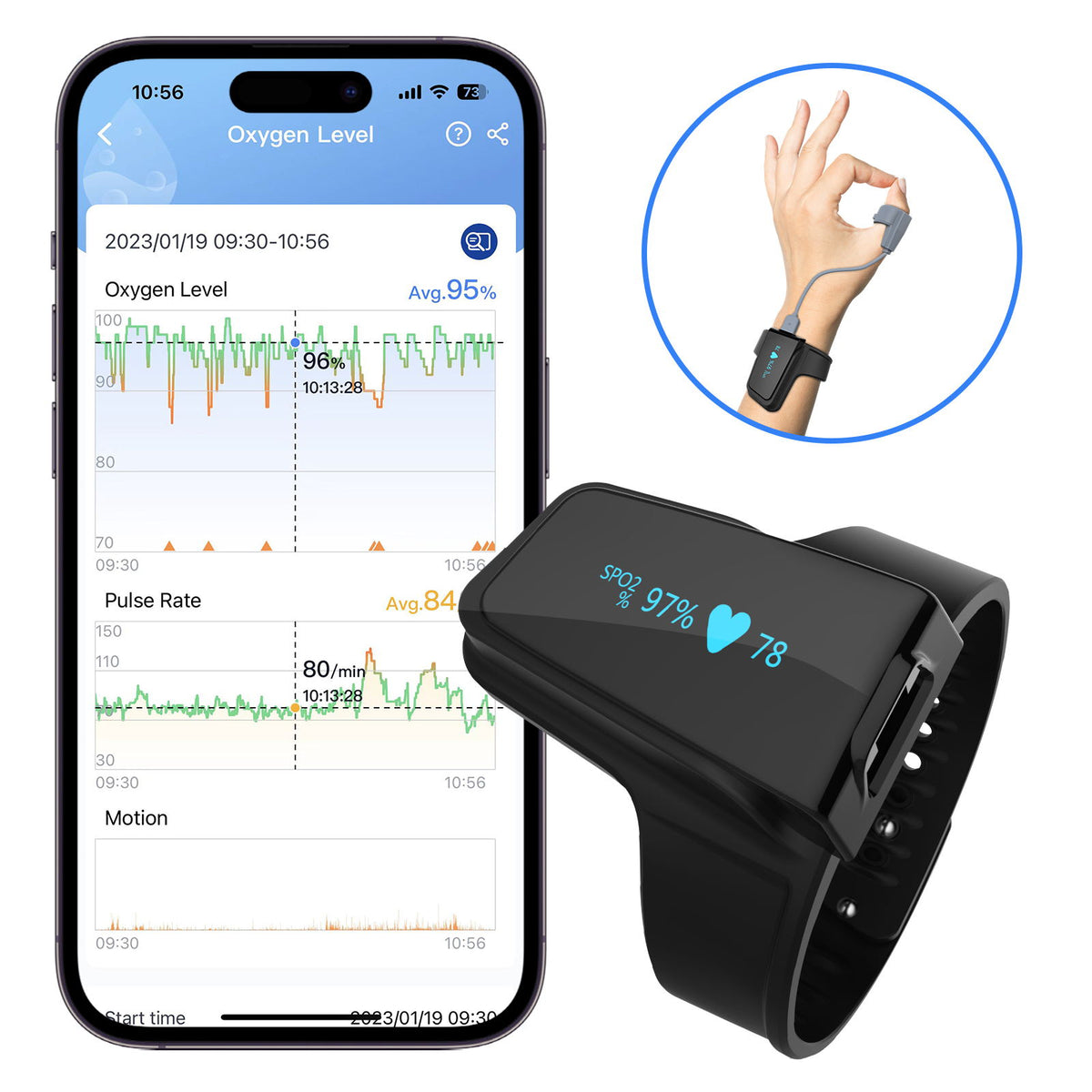
Best Overnight Oxygen Monitor for Home Use
For users tracking blood pressure overnight or with sleep concerns, an oxygen monitor can provide critical context. The Checkme O2 Max Wrist Oxygen Monitor offers continuous SpO2 tracking for up to 72 hours, with app alerts and exportable reports for easier sleep assessment. It's ideal for those monitoring for sleep apnea or desaturation events.
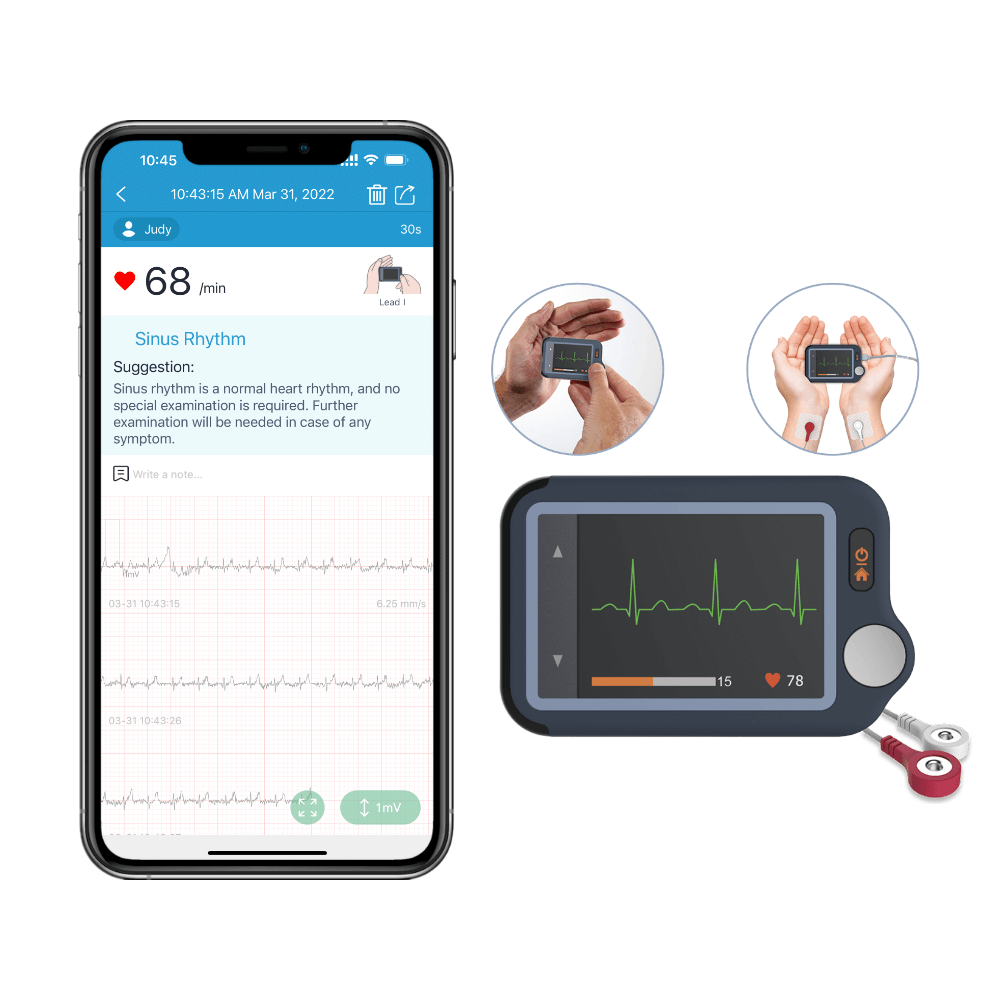
Home ECG Monitor vs. Holter Monitor: What’s the Difference?
Home ECG monitors, such as the Touchscreen ECG Monitor, give quick, on-demand rhythm snapshots—best for checking symptoms or sharing a quick report. In contrast, Holter monitors are worn continuously for 24 or 72 hours under medical supervision. For most, a home ECG is more accessible and sufficient for routine checks, but always defer to your provider's advice for ongoing arrhythmia or complex cardiac issues.
Integrating BP, ECG, and Oxygen Monitoring at Home
Using a combination of devices—BP monitor, overnight oxygen tracker, and on-demand ECG—can paint a more complete picture of your health, particularly if you have multiple risk factors or chronic conditions.
Who This Is For
If you want accurate blood pressure readings at home without overspending, this guide is for you. It's also useful if you're considering adding overnight oxygen or heart rhythm monitoring to your home routine. If you're unsure, focus on finding a validated BP monitor with a comfortable cuff and app support. Upgrade only if you have special needs or want the absolute simplest experience.
Summary: Choosing the Cheap and Best BP Monitor for Your Needs
The best BP monitor for most people is a validated, mid-range device with app support and a comfortable cuff. Only pay for premium features if you need specialized functions, like large displays or irregular heartbeat alerts. For a broader view of your health, consider pairing your BP monitor with an overnight oxygen tracker or a home ECG unit. If you're still deciding, start with a reliable, affordable BP monitor—you can always add features as your needs evolve.
Frequently Asked Questions
- What do 24 hour blood pressure monitors look like and how are they different from home devices?
- 24-hour blood pressure monitors consist of a standard arm cuff attached to a small, portable recorder that's worn on your belt or shoulder. They automatically record readings throughout the day and night, unlike home devices, which are manually operated and intended for spot checks.
- What should I look for when buying a blood pressure monitor for home use?
- Focus on clinical validation, comfortable and adjustable cuff fit, clear digital display, and memory or app connectivity for tracking readings. Avoid unnecessary extras unless you have specific needs.
- Are affordable blood pressure monitors as accurate as expensive ones?
- Many affordable monitors are just as accurate as pricier models if they're clinically validated and used correctly. The main differences are in convenience features and display size—not core measurement accuracy.
- How do I set up and maintain my BP monitor for the best results?
- Follow the manufacturer's instructions for setup. Use the correct cuff size, sit quietly before each reading, and take multiple measurements to average results. Clean the cuff with a damp cloth and store the device safely between uses.
- Is it worth getting a monitor with app connectivity for tracking my readings?
- If you want to track trends, share reports with your doctor, or avoid manual logs, app connectivity is a valuable feature even in affordable models.