Quick take
We break down who this device is best for, what it measures, and how it compares in the market.

Key Takeaways
- Prioritize ECG monitors with large, easy-to-read displays and intuitive controls for seniors.
- Look for comfortable, portable designs with minimal setup and maintenance needs.
- Integrated features like pulse rate and blood oxygen provide a broader health snapshot.
- Reliable data storage and straightforward report viewing streamline tracking for seniors and caregivers.
- Always consult a healthcare provider if your ECG monitor shows abnormal results.
Introduction: Why Home ECG Monitoring Matters for Seniors
Growing Need for Cardiac Self-Care in Older Adults
Cardiac arrhythmias and heart rhythm changes become more common with age. For seniors, tracking heart patterns is increasingly vital—especially for those managing hypertension or atrial fibrillation. A reliable, easy to use ECG monitor for seniors empowers older adults to spot potential issues early and share reports with their care team, all from the comfort of home.
Benefits of Home ECG Monitors for Elderly
Today’s home ECG monitors are simple, non-invasive, and quick to use. They can help seniors and caregivers monitor for irregular rhythms, supplement doctor visits, and gain peace of mind between checkups. For many elderly users, the right ECG monitor bridges the gap between daily living and smarter self-care.
What Makes an ECG Monitor Senior-Friendly?
Ease of Use: Simple Controls and Intuitive Interfaces
A senior-friendly ECG monitor should require minimal steps and have clear instructions. One or two buttons, large icons, and voice or visual prompts are invaluable for older adults, especially those with limited dexterity or vision.
Large, Clear Displays for Visual Comfort
Vision changes are common with age. The best ECG monitor for elderly users features a large, high-contrast display, so readings and instructions are easy to see—even without reading glasses.
Comfortable Design: Ergonomic & Portable ECG Devices
Compact, lightweight, and rounded devices are easier for seniors to grip and operate. Handheld or pocket-size monitors allow for checks at home or while traveling.
Quick Setup and Minimal Maintenance
Setup should be as straightforward as possible. Seniors benefit from ECG monitors that pair quickly with apps (if desired), require little to no calibration, and use simple cleaning routines.
Top Features to Look for in an ECG Monitor for Seniors
- Recording Duration Options: Some monitors offer both 30-second spot checks and longer monitoring windows. Flexible timing suits various needs.
- Touchscreen Operation and Display Size: Touchscreens with clear menus help seniors navigate without confusion.
- Battery Life and Portability: A long-lasting battery keeps daily checks hassle-free, and a lightweight build fits easily into a pocket or purse.
- Data Storage and Report Viewing: Built-in memory and simple report viewing or sharing features help track trends or send results to doctors.
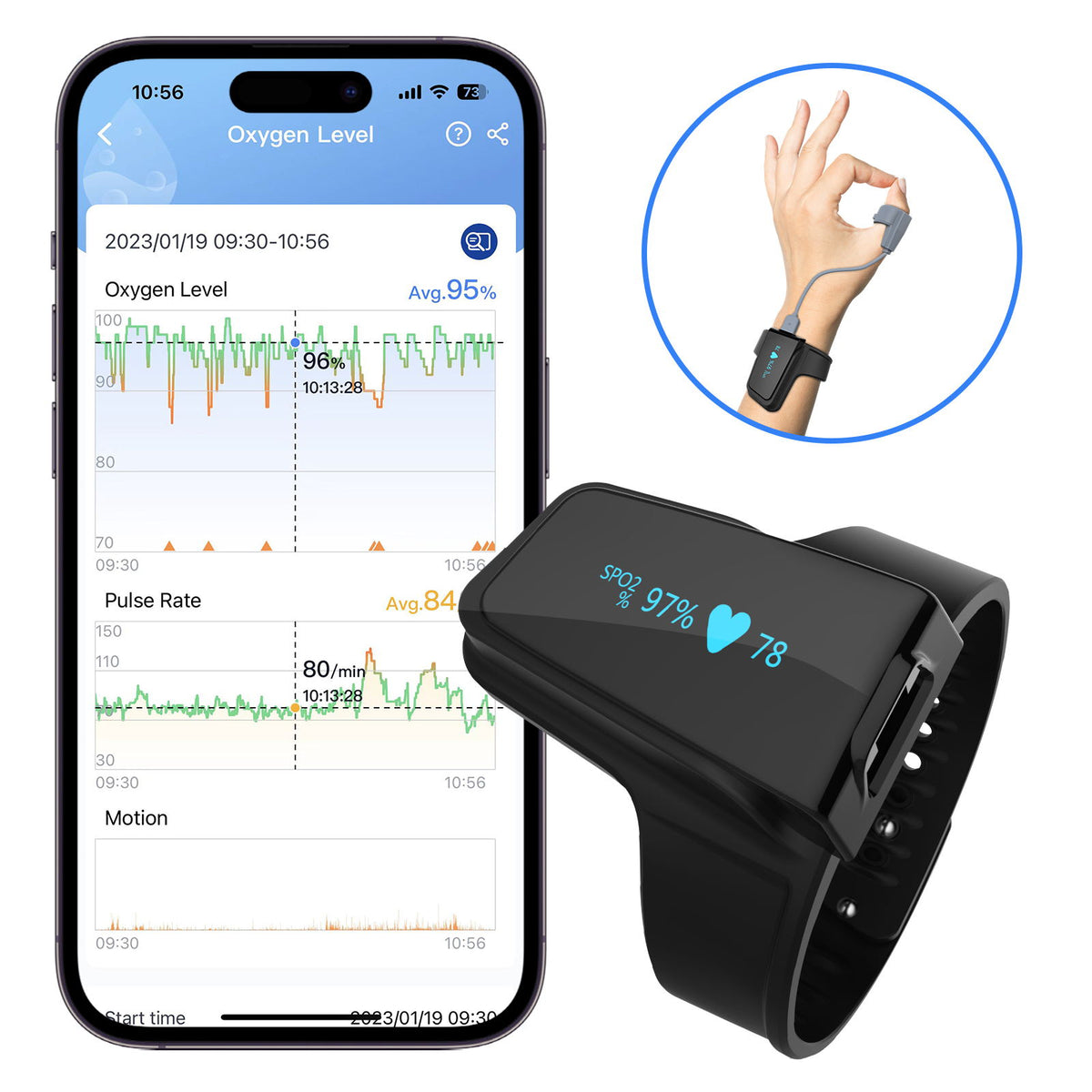
- Integrated Functions: Some models add oximetry, pulse rate, or perfusion index (PI) for a fuller view of cardiovascular health.
Best Home ECG Monitors for Seniors: Our Top Picks
Wellue Pulsebit EX: Easy ECG for Seniors on the Go
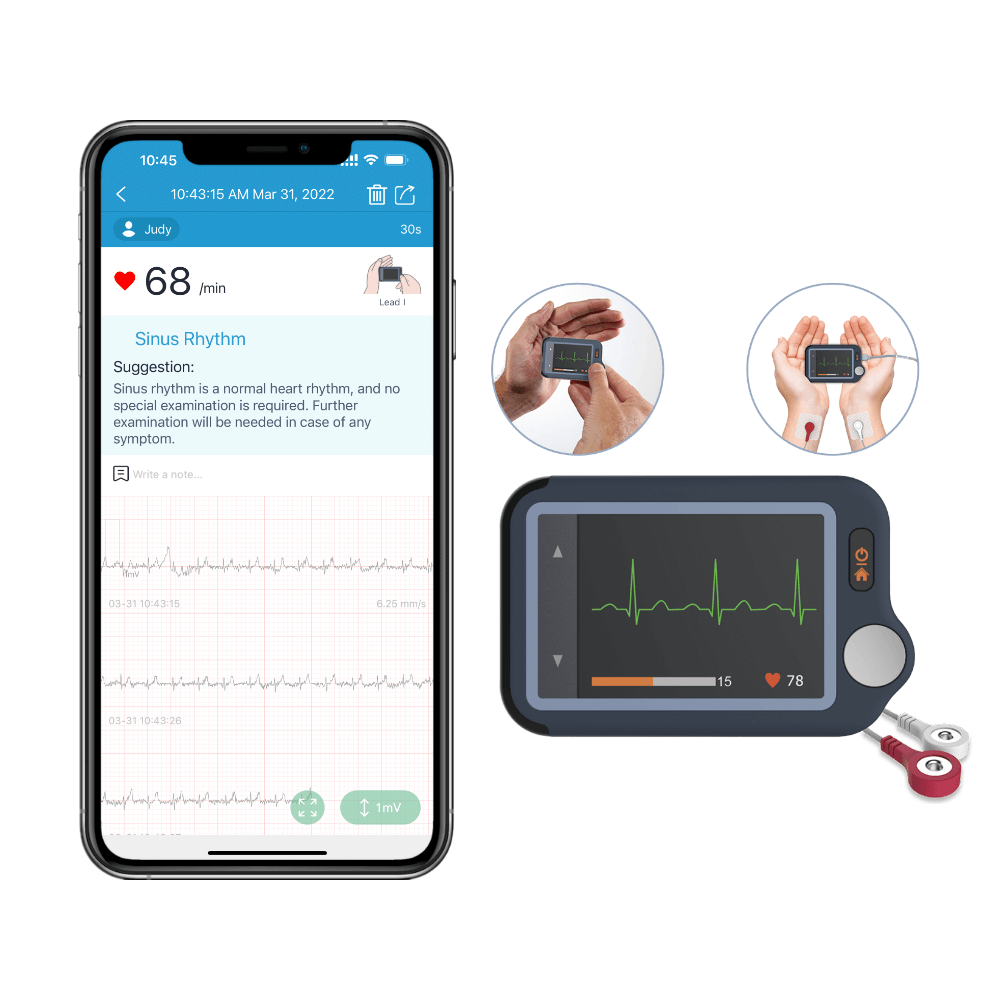 The Pulsebit EX stands out for its intuitive touchscreen and large, high-contrast display—making it ideal for seniors who value simplicity. You can capture a 30-second or 60-second ECG by simply placing fingers on the electrodes, no wires needed for basic checks. The device is lightweight and fits comfortably in the hand, with easy report export if you want to involve your doctor. One limitation: you’ll need a steady hand placement for best results, which may take a little practice. For daily spot checks and straightforward operation, this is the easy to use ECG monitor for seniors who want quick feedback without fuss.
Wellue Checkme Lite: Integrated ECG with Oximeter
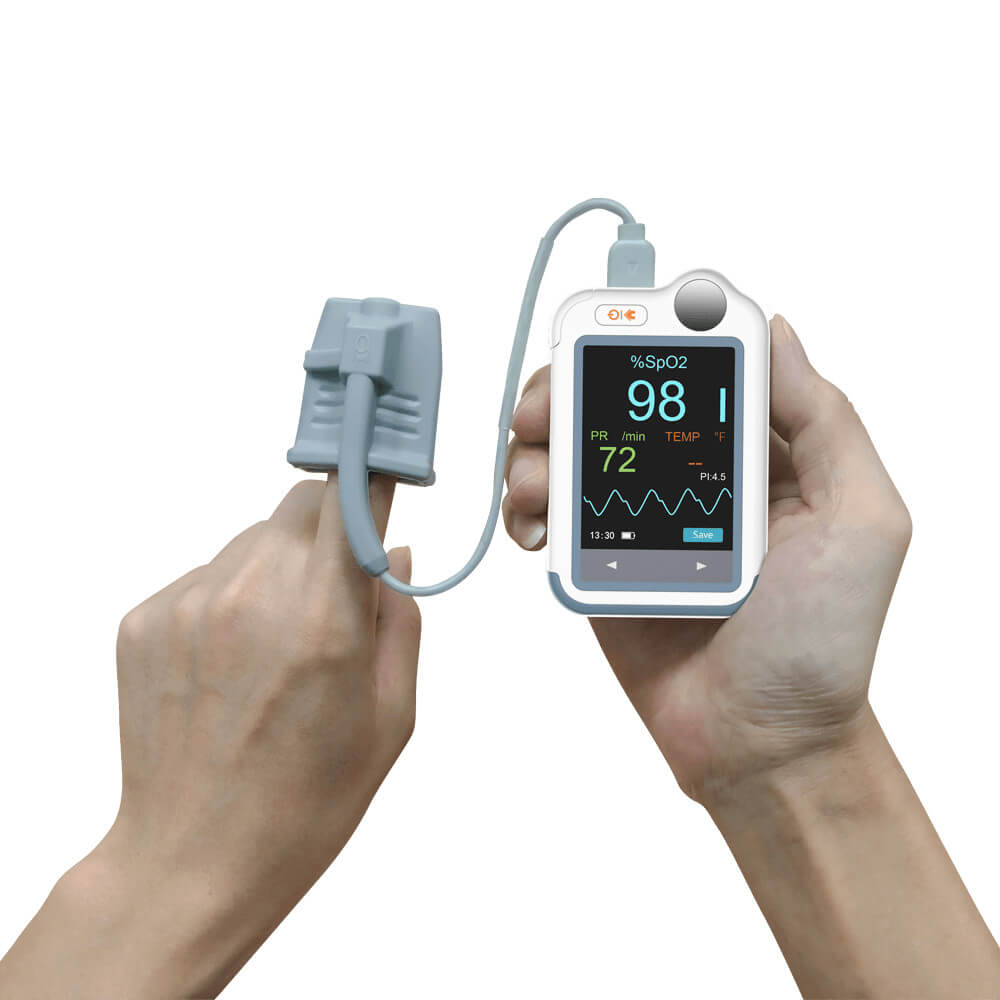 The Checkme Lite goes a step further, combining ECG, blood oxygen, and pulse rate in a single, senior-friendly device. The touchscreen is bright and large, with intuitive icons for easy navigation. This makes it the best home ECG monitor for seniors who want to track more than just cardiac rhythm. Setup is quick, and you can review or share reports with a few taps. The form factor is slightly larger than the Pulsebit EX, but the integrated oximeter adds valuable insight for those managing multiple aspects of heart health.
Other Noteworthy Easy to Use ECG Monitors for Seniors
The ECG 1000 ECG Data Management System is a solid choice for seniors who want robust report management and the ability to store, print, or export multiple ECG files. It’s portable, and setup is simple, but it’s not meant for continuous diagnostic monitoring. This model is best for users who prioritize easy sharing of results with healthcare providers.
Comparison Table: Senior-Friendly ECG Monitors
| Product | Display Size | Ease of Use | Comfort/Portability | Extra Features | Best For | Review | Product Page |
|---|---|---|---|---|---|---|---|
| Pulsetbit EX | Large touchscreen | Excellent; minimal steps | Lightweight, pocket-sized | App sync, AI analysis | Quick spot checks | See review | View on Wellue |
| Very large, bright touchscreen | Excellent; icons & prompts | Portable, ergonomic | Oximetry, pulse rate | Multi-metric tracking | View on Wellue | ||
| Standard screen | Good; simple setup | Compact, but requires USB | Multi-report export | Report sharing | View on Wellue |
Who This Is For
This guide is for seniors, caregivers, and family members seeking the best home ECG monitor for elderly use. If you want a device that’s easy to use, comfortable to hold, and simple to read, these picks are tailored for you. Whether you need quick rhythm checks, multi-metric tracking, or easy report sharing, there’s a senior-friendly ECG monitor here to match your needs.
How to Set Up and Use Your Home ECG Monitor
Step-by-Step Setup Guide for Seniors
- Charge your device fully before first use.
- Turn on the monitor and follow on-screen prompts. For touchscreen models, tap icons as instructed.
- Place your fingers or stick-on electrodes as shown in the quick start guide.
- Wait for the countdown, then remain still while the ECG records (usually 30-60 seconds).
- Review your reading on the display or app. Save or export results as needed.
Tips for Accurate Readings and Comfort
- Wash and dry hands before use.
- Relax and sit quietly during measurement.
- Hold the device firmly, but don’t squeeze tightly.
Understanding Your ECG Monitor Report
Most devices display a summary or waveform. Look for clear indicators (like heart rate, irregular rhythm alerts, or normal/abnormal markers). Always review data with your doctor if you have concerns.
Cleaning and Maintaining Your Home ECG Device
Daily and Weekly Care Essentials
- Wipe surfaces with a soft, slightly damp cloth after each use.
- Avoid harsh cleaners or submerging the device.
- Store in a dry, cool place out of direct sunlight.
Safe Storage and Longevity Tips
- Charge the battery regularly to maintain longevity.
- Check cables or electrodes for wear and replace as needed.
When to Seek Medical Advice: Interpreting Results Safely
Home ECG monitors are not diagnostic tools. If your results show an irregular rhythm, abnormal heart rate, or you feel unwell, contact your healthcare provider promptly. Never rely on a home device alone for medical decisions.
If You’re Unsure
If you aren’t sure which ECG monitor to choose, prioritize display size and ease of use above all else. For basic spot checks, go with the Pulsebit EX. If you want added oxygen and pulse tracking, the Checkme Lite is a strong choice. For seniors mostly focused on sharing results with a doctor, the ECG 1000 Data Management System may be the most practical fit.
Conclusion: Choosing the Right Easy to Use ECG Monitor for Elderly Loved Ones
The best home ECG monitor for seniors is one that offers large, readable displays, simple controls, and all-day comfort. For most seniors, the Wellue Pulsebit EX strikes the right balance of usability and reliability. If you or your loved one need combined oxygen and heart monitoring, the Wellue Checkme Lite is a close alternative. Remember: these devices are for tracking and peace of mind—not for diagnosis. Review your reports with a healthcare professional and enjoy the confidence of caring for your heart at home.