Quick take
We break down who this device is best for, what it measures, and how it compares in the market.
Auto-CPAP / APAP Machine Review for Home Sleep Therapy (2026)
Finding the right sleep therapy device is crucial if you live with sleep apnea or persistent snoring. Many people want a solution that adapts to their nightly needs—without complex setup or frequent clinic visits. The Auto-CPAP (APAP) machine has emerged as a top choice for home users, offering personalized, automatic pressure adjustments and easy-to-read therapy data. Here’s what you need to know about these devices before bringing one home.
Key Takeaways
- Auto-CPAP (APAP) machines adapt pressure automatically to your breathing needs, offering personalized comfort at home.
- Modern APAP devices include ramp features, therapy data tracking, and simple mask options for most users.
- A prescription is required, and reliable results depend on proper setup, fit, and cleaning.
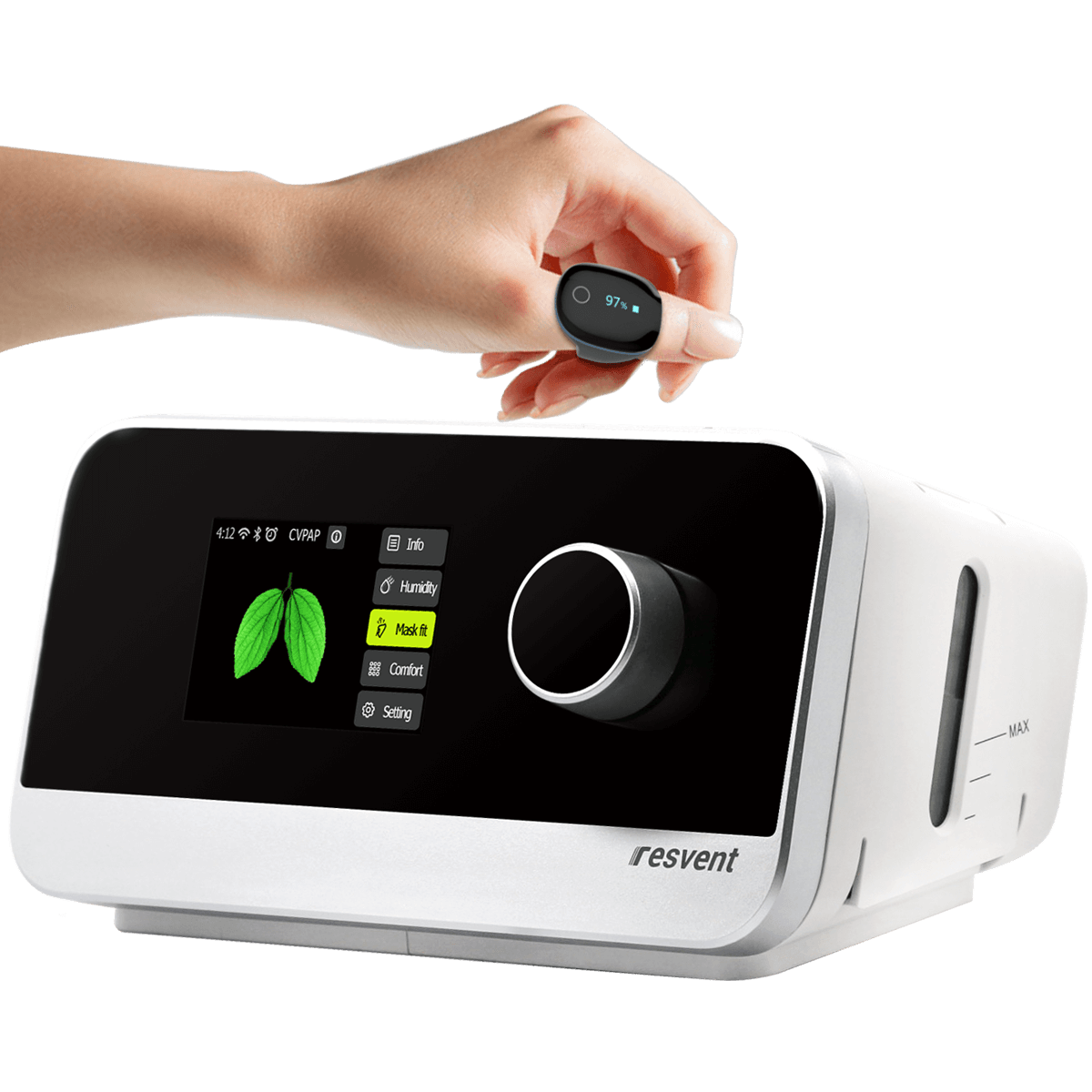
- Pairing with oxygen monitoring (e.g., O2Ring) can enhance therapy effectiveness and health insights.
Introduction: Why Consider an Auto-CPAP / APAP Machine for Home Sleep Therapy?
Sleep apnea management has shifted rapidly to the home, driven by user demand for flexible, less intrusive solutions. Auto-CPAP (APAP) machines stand out because they automatically adjust air pressure throughout the night, adapting to your unique breathing patterns in real time. This reduces the discomfort sometimes associated with fixed-pressure CPAP and helps ensure therapy stays effective, even as your needs change.
What Is an Auto-CPAP (APAP) Machine? Key Features for Home Use
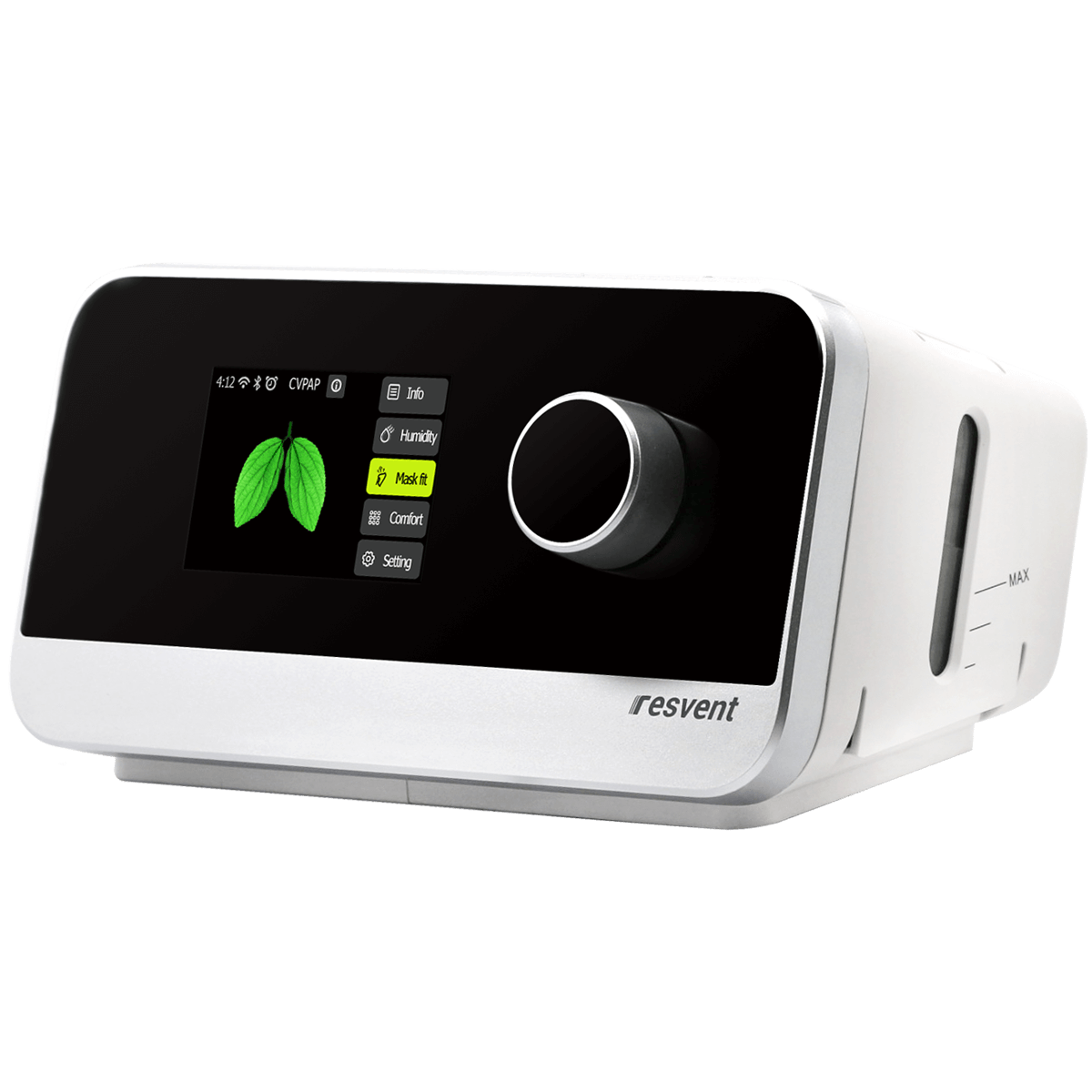
An APAP (Automatic Positive Airway Pressure) machine is engineered to deliver variable air pressure, using built-in sensors to detect airway resistance and adjust support on the fly. Unlike traditional fixed-pressure CPAPs, the APAP’s intelligent algorithm provides only as much pressure as needed, no more, no less. Notable user-friendly features include flexible ramp settings (to gently increase pressure as you fall asleep), quiet operation for bedside use, and compatibility with nasal mask options. All APAP devices require a prescription and must comply with FDA regulations for home medical equipment (FDA).
Benefits of Using an Auto-CPAP / APAP Machine at Home
- Comfort: The main draw is adaptive comfort—pressure varies based on your breathing, which minimizes both under- and over-delivery of air.
- Therapy effectiveness: Consistent, optimized pressure helps reduce apnea events and snoring for most users.
- Advanced monitoring: Devices like the Wellue iBreeze APAP can be paired with oxygen monitoring tools (such as the O2Ring), providing a more complete picture of your sleep health.
Auto-CPAP Machine Pros and Cons: What Home Users Should Know
Pros:
- Customizable pressure that adapts automatically to your needs
- Intuitive setup and ramp options for gradual adaptation
- Effective reduction in sleep apnea symptoms and snoring for many users
- Therapy data tracking and reporting via device and app
Cons:
- Requires a prescription to purchase (per FDA guidelines)
- Some users may need time to adjust to the sensation of pressure changes
- Routine cleaning and maintenance are essential for optimal performance
APAP therapy is especially well-suited for those with variable pressure needs, fluctuating sleep positions, or anyone who found fixed-pressure CPAP uncomfortable or ineffective.
APAP Machine Review for Home: Real-World Performance & User Experience
The Wellue Auto-CPAP / APAP machine consistently earns high marks for quiet operation and straightforward nightly use. The ramp feature is particularly popular, letting users ease into therapy instead of feeling an abrupt rush of air. With therapy data reported both on the device and through an app, it’s easy to track your progress and share summaries with your physician. Integration with the O2Ring oxygen monitor further enhances the experience, giving you both airflow and blood oxygen insights in one ecosystem.
Device Setup and Maintenance: Keeping Your APAP Machine Reliable
Getting started involves a few key steps: select an appropriate nasal mask, follow the manufacturer’s setup instructions, and ensure your prescription is on file. Fit and comfort matter—take time to adjust straps and confirm a good seal. For maintenance, clean the mask, tubing, and humidifier chamber (if present) regularly as directed. Reviewing your device’s data report weekly can help you and your care team fine-tune therapy settings if needed.
Who Should Choose an Auto-CPAP / APAP Machine? Clinical & Lifestyle Considerations
If you experience varying apnea severity, change sleep positions overnight, or struggled with a fixed-pressure CPAP, an APAP machine can offer a more comfortable, tailored experience. Fixed CPAP may still suit those with stable, predictable needs, but APAP is the best starting point when flexibility and nightly adaptation are priorities. Always discuss device selection and settings with your sleep specialist to ensure safety and effectiveness.
Who this is for
Auto-CPAP / APAP machines are best for adults diagnosed with obstructive sleep apnea seeking flexible, adaptive therapy at home. They work especially well for those who dislike the sensation of constant high pressure, have changing pressure needs, or value tracking their sleep therapy data. If you’re unsure, look for signs such as inconsistent sleep quality, overnight snoring, or a prior struggle with fixed-pressure devices—and consult your provider for a personalized recommendation.
Product Verdicts
Auto-CPAP / APAP Machine: Best for users managing sleep therapy with auto-adjusting comfort. Its quiet operation and flexible ramp features make it ideal for sensitive sleepers, while data tracking helps you and your provider monitor progress. One limitation: setup and mask fit may require a learning curve, but most users adapt within days. See more details.
Auto-CPAP / APAP Machine + O2Ring: Ideal for those who want integrated oxygen monitoring alongside auto-adjusting sleep therapy. The included O2Ring provides continuous overnight oxygen saturation data, making it suitable for users with more complex sleep health profiles. As with all APAPs, initial setup and ongoing cleaning are required. Use this combination if you want a comprehensive view of both airflow and oxygen during therapy.
Conclusion: Is an Auto-CPAP / APAP Machine Right for Your Home Sleep Therapy?
An auto-CPAP / APAP machine remains a top pick for home sleep therapy in 2026, thanks to adaptive comfort, modern data features, and simple nightly routines. If you’re seeking relief from sleep apnea or snoring and want a device that changes with your needs, this is a strong candidate. For users who require detailed oxygen tracking, the APAP + O2Ring kit is a compelling all-in-one alternative. Either way, ensure your prescription is ready and consult your provider for setup guidance.