Quick take
We break down who this device is best for, what it measures, and how it compares in the market.
Auto BiPAP Machine Review 2026: Home Sleep Therapy Unpacked
Home sleep therapy has come a long way, with devices like the Auto BiPAP machine now bringing clinical-level support to your bedside. For people with sleep apnea, COPD, or more complicated respiratory needs, a standard CPAP may fall short. That's where Auto BiPAP technology steps in—offering precise, adaptive pressure and next-level comfort. If you’re weighing your options for home respiratory care, understanding what sets these devices apart is vital.
Key Takeaways
- The iBreeze Auto BiPAP delivers adaptive pressure, comfort modes, and detailed tracking for advanced home sleep therapy.
- Setup and a prescription are required for safe, effective use—consult your healthcare provider before purchase.
- Regular cleaning and correct fit are essential for reliable performance and hygiene.
- Ideal for those who require more tailored therapy than basic CPAPs offer.
What is an Auto BiPAP Machine?
An Auto BiPAP (Bilevel Positive Airway Pressure) machine delivers two distinct air pressures—one for inhaling, another for exhaling—with the ability to automatically adjust levels in response to your breathing patterns. This flexibility supports users with complex sleep apnea, COPD, or those who struggle with fixed-pressure devices. Modern Auto BiPAPs, like the iBreeze, also capture therapy data for you and your care team to review.
Who Should Consider Advanced Home Sleep Therapy?
If you’ve found standard CPAP therapy uncomfortable, or if your doctor has diagnosed you with a central or mixed sleep apnea, Auto BiPAP is often recommended. Its ability to support more complicated breathing patterns makes it suitable for users with additional respiratory conditions or those who need fine-tuned therapy at home.
How Auto BiPAP Machines Work for Home Sleep Therapy
Auto-Adjusting Pressure and Respiratory Health
The iBreeze Auto BiPAP uses advanced sensors to monitor your breathing in real time, automatically adjusting pressure with each breath. This helps maintain open airways while minimizing discomfort from forced air. The device's auto-adjusting feature is especially helpful for users whose needs shift during different sleep stages or throughout the night.
Key Features: ST Mode, Auto-ST, and Ti-Control Explained
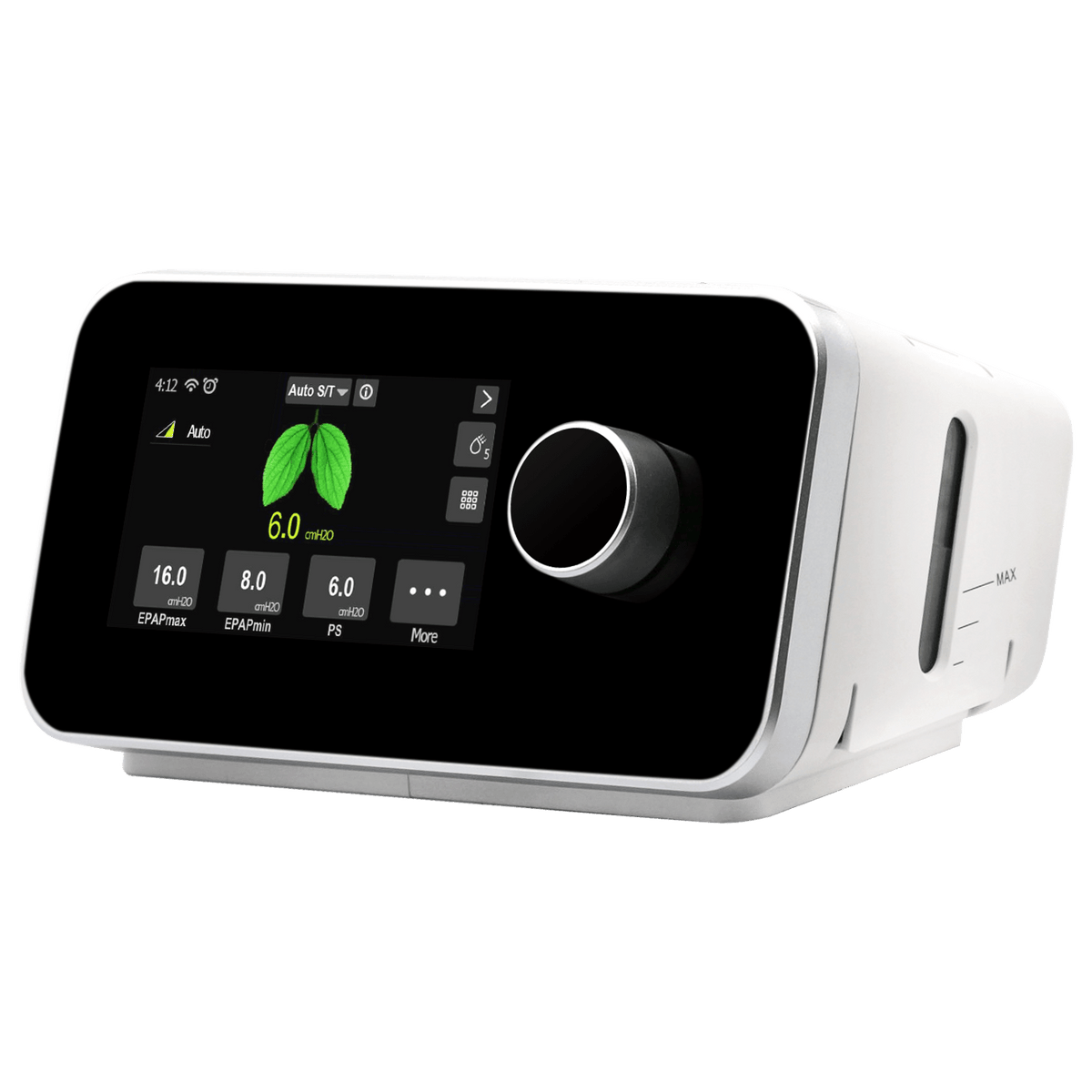
These machines aren’t one-size-fits-all. "ST" (Spontaneous/Timed) mode supports users who sometimes need the device to trigger a breath, while "Auto-ST" adapts to changing needs. Ti-Control lets you fine-tune how long the machine provides inhalation support—a key benefit for anyone with erratic nighttime breathing patterns.
Flexible Pressure Settings for Personalized Comfort
Auto BiPAP devices like the iBreeze offer a wide range of pressure settings, so therapy is neither too weak nor uncomfortably strong. Customizable ramp-up times and humidification further enhance the user experience, making therapy easier to tolerate night after night.
Hands-On Review: iBreeze Auto BiPAP Machine
Setup and User Experience at Home
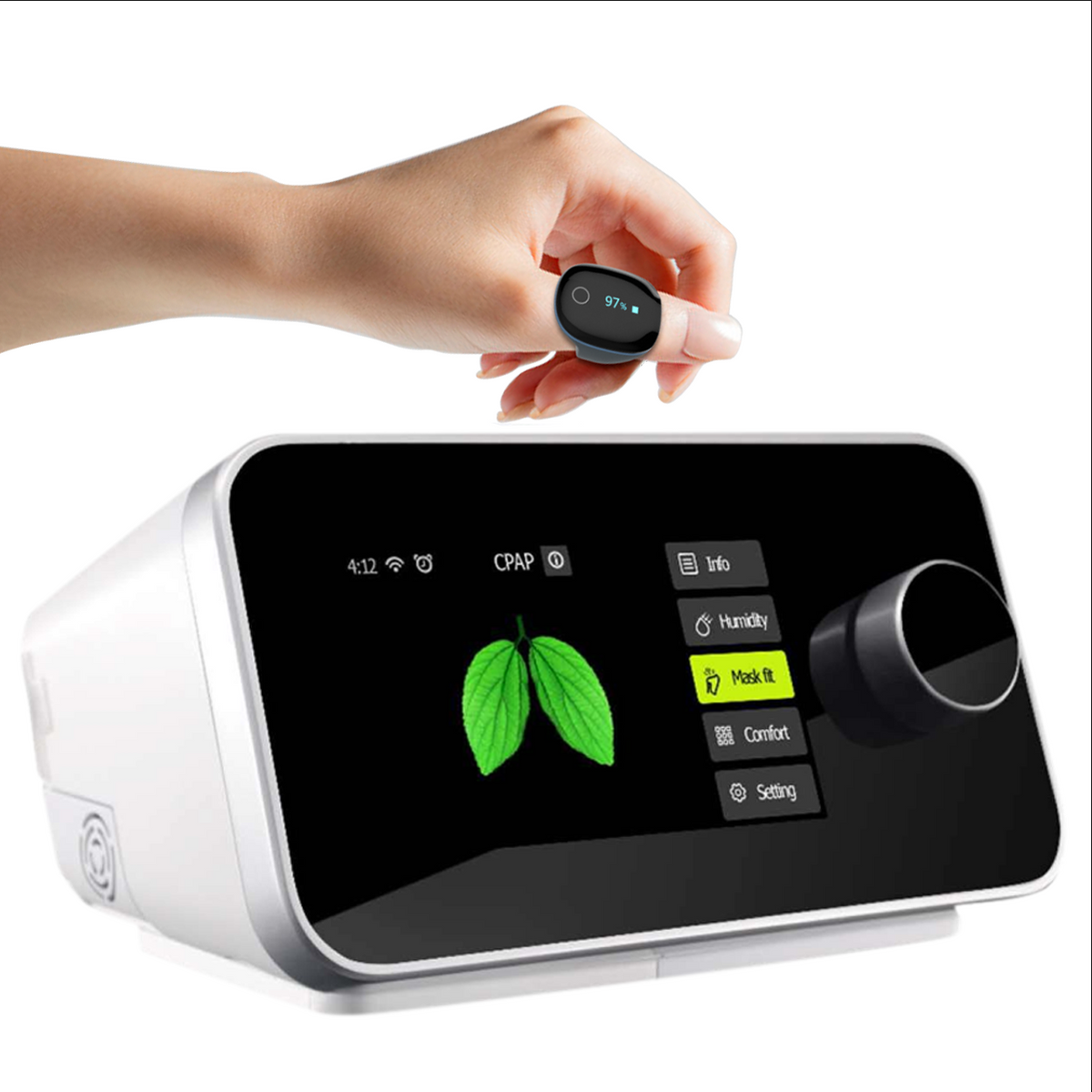
The iBreeze Auto BiPAP comes with a modern display, clearly labeled settings, and a compact footprint. Initial setup may feel technical—mask fit and pressure settings require care, and a prescription is mandatory. Once up and running, the device is quiet and unobtrusive, making it suitable for shared bedrooms. Therapy data is easily viewed on-device or via app, helping users track trends and improvements.
Humidifier, Full Face Mask, and Comfort Settings
This system includes a built-in humidifier, which is a significant comfort upgrade—especially for those prone to dryness or congestion. The device is compatible with full face masks (recommended for most users), ensuring a secure seal and effective therapy. Comfort settings like adjustable ramp, EVAPS (automatic volume assurance), and multiple modes help reduce the initial pressure and allow for a smoother transition to sleep.
Pros and Cons of the Auto BiPAP Machine
- Pros: Advanced auto-adjusting support, easy-to-use display, full data tracking, quiet operation, flexible comfort features.
- Cons: Requires careful setup and prescription, ongoing supply needs (filters, tubing, masks), learning curve for new users.
Verdict: The iBreeze Auto BiPAP is best for users managing complex sleep therapy needs at home who want both precision and comfort. While setup can be involved, its adaptive features and robust tracking make it a standout for nightly use.
Clinical Performance and Safety Standards
FDA Oversight and Prescription Requirements
The FDA regulates BiPAP devices as medical equipment, requiring a valid prescription for purchase and use (FDA.gov). This ensures you receive the right device for your needs and helps safeguard against inappropriate or unsafe use at home.
How the iBreeze Supports Safe, Effective Home Use
The iBreeze is designed for home users, with auto-adjusting pressure to limit risks of over- or under-support. Its therapy reports make it easier for your healthcare provider to monitor your progress and fine-tune your settings remotely if needed.
Who Benefits Most from a Home BiPAP Machine?
Ideal Users: Sleep Apnea, COPD, and Complex Needs
Auto BiPAP is particularly effective for people with obstructive or central sleep apnea, COPD, or those who have not responded well to CPAP. If your condition requires more tailored airway support, the iBreeze may be a good fit.
Comparing to Standard CPAP and APAP Devices
Standard CPAP offers one fixed pressure, while APAP auto-adjusts but only at a single pressure level. Auto BiPAP, in contrast, gives you two adjustable pressures and advanced timing controls. This can make a real difference for users with variable or complex breathing patterns. If you're debating between these options, see our guide on CPAP vs BiPAP vs APAP.
Reading and Understanding Your BiPAP Machine Reports
Key Metrics: BPM, Ti, Pressure Curves
The iBreeze BiPAP tracks breaths per minute (BPM), inspiratory time (Ti), leak rates, and pressure curves. Reviewing these regularly can help spot trends or issues (like mask leaks or missed breaths). Most users can review summarized data on the device or app, but always share detailed reports with your provider for interpretation.
Tracking Progress and Identifying Issues
Watch for improvements in sleep quality and daytime alertness, as well as stable therapy metrics. If you notice persistent leaks, frequent alarms, or feel worse, consult your care team promptly.
Device Maintenance and Cleaning Guide
Daily and Weekly Care Tips
Daily: Wipe your mask and check for visible debris. Weekly: Wash the mask, tubing, and humidifier chamber with mild soap and water, then air dry. Replace filters as recommended by the manufacturer to maintain air quality and device function.
Maximizing Longevity and Hygiene
Proper maintenance prevents infections and extends device life. Schedule regular cleanings and keep replacement supplies handy. Never use harsh chemicals or submerge the main unit.
Auto BiPAP Machine Pros and Cons: Summary Table
| Pros | Cons |
|---|---|
| Auto-adjusting dual pressure Multiple therapy modes Built-in humidifier Detailed data tracking Quiet and compact |
Prescription required Learning curve for new users Ongoing supply costs Initial setup can be technical |
Who this is for
If you need more than a basic CPAP, struggle with fixed pressure devices, or have been diagnosed with central sleep apnea, the Auto BiPAP is designed for you. It’s also suited for users with COPD or complex breathing needs who want to track therapy progress at home.
If you’re unsure: Choose Auto BiPAP if your provider recommends advanced airway support, you require multiple pressure levels, or you haven’t found relief with standard CPAP. If your needs are mild or straightforward, a basic CPAP or APAP may suffice—and can be easier to set up and maintain.
Conclusion: Is the Auto BiPAP Right for Your Sleep Therapy?
The iBreeze Auto BiPAP machine stands out for users seeking tailored, comfortable, and data-driven home sleep therapy. Its flexible pressure modes, humidification, and robust reporting offer a significant upgrade over standard options. If you need adaptive support and are prepared for the setup and maintenance requirements, it’s a top choice. For those with simpler needs, a standard APAP may be more convenient and cost-effective. Always consult your healthcare provider before making a decision.