Quick take
We break down who this device is best for, what it measures, and how it compares in the market.

Key Takeaways
- Integrated humidifiers in sleep therapy devices significantly improve comfort and adherence.
- Modern CPAP, APAP, and BiPAP machines provide a variety of humidification levels and mask compatibility options.
- Comparing features such as ease of setup, adjustability, cleaning, and portability is vital for satisfaction.
- Proper setup and daily maintenance are essential for optimal performance and user experience.
Introduction: Why Choose a Sleep Therapy Device with Humidifier?
For many users of CPAP, APAP, or BiPAP therapy, dryness, nasal congestion, and discomfort can sabotage sleep and therapy compliance. Integrated humidifiers address these issues by adding moisture to the airflow, making every breath gentler. If you wake up with a dry throat or struggle to use your device nightly, a sleep therapy device with humidifier could transform your experience.
The Role of Humidification in CPAP, APAP, and BiPAP Therapy
Humidification isn't just about comfort—it's about making therapy sustainable. Moist air helps reduce irritation and congestion, especially for those using higher pressures or living in dry climates. Integrated solutions are more convenient and effective than add-on humidifiers.
Who Benefits Most from Integrated Humidifiers?
If you experience frequent nasal dryness, mouth breathing, or struggle with therapy adherence, an integrated humidifier may be essential for you. They're also ideal for anyone seeking the best CPAP with humidifier for long-term use.
Types of Sleep Therapy Devices with Built-in Humidifiers
Overview: CPAP, APAP, and BiPAP Explained
CPAP delivers fixed pressure, APAP automatically adjusts to your needs, and BiPAP provides dual pressures for inhale and exhale. All three now come in models with integrated humidifiers, but their comfort, adjustability, and features vary considerably.
Key Differences When Seeking Comfort and Compliance
For most users, APAP with built-in humidifier offers flexibility and adaptability. BiPAP with humidification is preferred if you need more advanced pressure support. CPAP with humidifier remains a reliable, cost-effective solution for straightforward needs.
Key Features to Consider When Comparing Devices
- Humidifier Technology: Integrated humidifiers are built into the device, saving space and minimizing leaks compared to add-on models.
- Ease of Setup and Nightly Use: Look for intuitive controls and simple water chamber refilling.
- Adjustability: The best models let you fine-tune both temperature and humidity.
- Portability and Noise: Frequent travelers may prefer lighter, quieter devices.
- Cleaning and Maintenance: Removable water chambers simplify daily care and reduce risk of buildup.
2026 Comparison Table: Top-Rated Sleep Therapy Devices with Humidifiers
| Device | Type | Humidifier | Adjustability | Mask Compatibility | Noise | Price | Best For | Links |
|---|---|---|---|---|---|---|---|---|
| APAP | Integrated | Auto + Manual | Full face, nasal, pillow | Low | $$ | Best APAP with built-in humidifier for flexibility | ||
| BiPAP | Integrated | Full (IPAP/EPAP) | Full face mask | Quiet | $$$ | Best for users needing advanced pressure support |

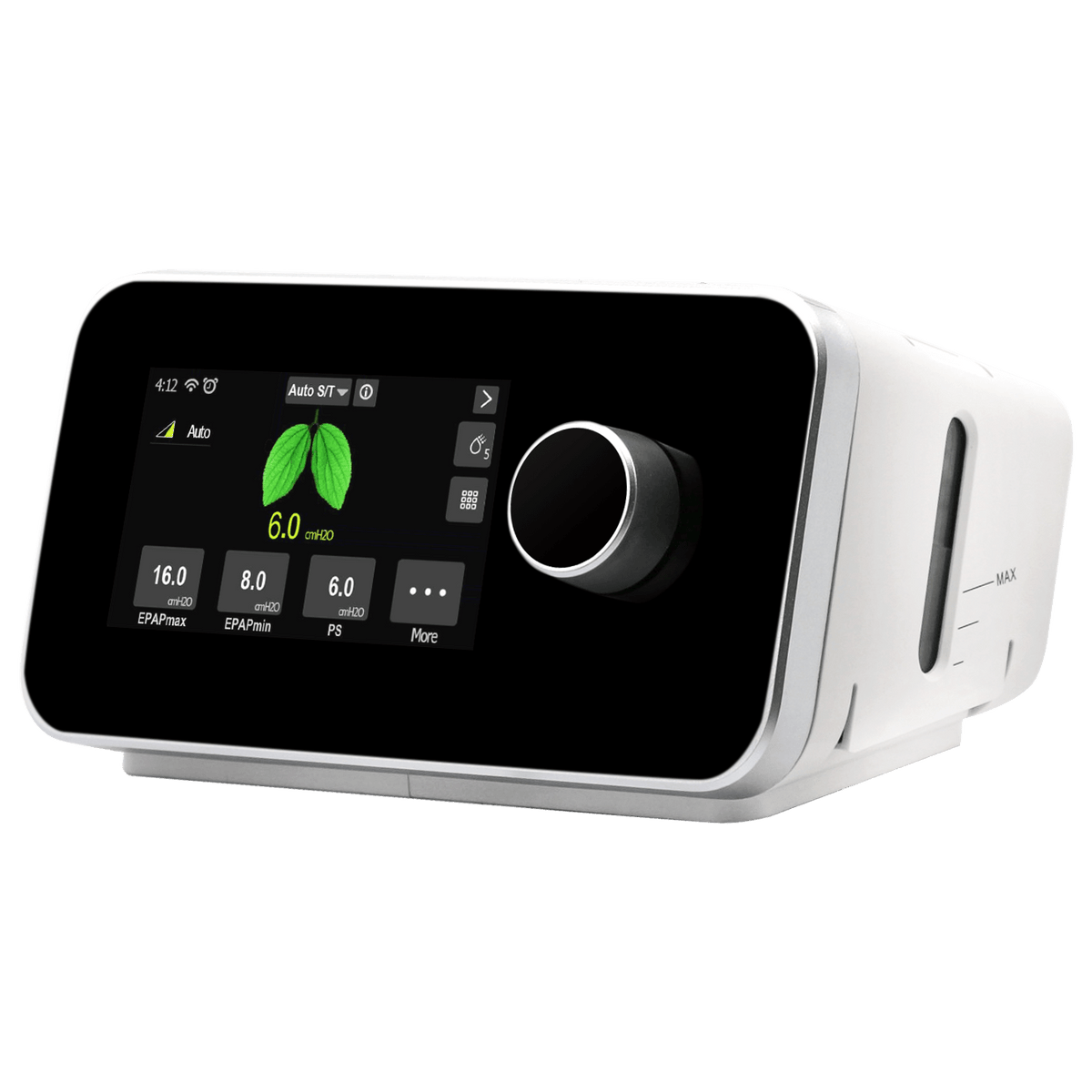
Best CPAP with Humidifier
While this comparison spotlights APAP and BiPAP, many CPAP models on the market now include integrated humidifiers and are ideal for users seeking simple, reliable therapy at a lower price point.
APAP with Built-in Humidifier Options
The APAP With More Mask Options stands out for its flexible mask choices and smart auto-adjusting pressure, making it one of the best APAP with built-in humidifier models for most users.
Top BiPAP Models with Humidification
The Auto BiPAP Machine integrates humidification with advanced pressure controls (IPAP/EPAP), ideal for those with more complex sleep-disordered breathing or who simply want maximum comfort.
Comfort & Compliance: How Integrated Humidifiers Improve Sleep Therapy
- Reducing Dryness and Congestion: Users report fewer complaints of sore throat or nasal irritation when using an integrated humidifier, particularly in dry environments or during winter months.
- Patient Feedback on Long-Term Use: Integrated humidification is consistently ranked among the top reasons for improved therapy adherence and satisfaction.
- Travel and Portability: Most integrated humidifiers are compact, but always check size and water reservoir requirements before traveling.
Device Setup and Daily Maintenance: What to Expect
- Initial Setup: Most devices walk you through setup, but expect to fill the water chamber nightly and choose your desired humidity level.
- Cleaning: Remove and rinse the water reservoir daily, and follow manufacturer guidelines for weekly deep cleaning. This helps prevent mineral buildup and bacterial growth.
- Reading Device Reports: Modern sleep therapy devices provide nightly data on usage, mask fit, and humidification status—review these regularly for best results.
Choosing the Best CPAP or APAP with Humidifier for Your Needs
Who Should Consider Auto-Adjusting (APAP) with Humidifier?
If your pressure needs vary, or you want a device that adapts as you age or gain/lose weight, an APAP with built-in humidifier is the most flexible and future-proof choice.
Cost-Effectiveness and Insurance Considerations
While APAPs and BiPAPs with humidifiers often cost more upfront, they can save money in the long run by improving therapy adherence and reducing side effects. Always check your insurance coverage for sleep therapy devices and related supplies.
Tips for Maximizing Comfort and Device Longevity
- Use distilled water to avoid mineral buildup.
- Replace filters and humidifier chambers as recommended.
- Choose a mask style that works for your sleep habits and comfort preferences.
Who this is for
If you’re unsure, here’s a quick guide:
- Best CPAP with humidifier: Choose if you need simple, steady therapy and want to minimize up-front cost.
- APAP with built-in humidifier: Go this route if you want adaptive comfort and flexible mask options.
- BiPAP with humidification: Recommended for those with more complex breathing needs or who require dual pressure support.
Conclusion: Making an Informed Choice for Comfortable Sleep Therapy
Integrated humidification is now a must-have feature—especially if you’re starting or restarting sleep therapy. For most, a modern APAP with built-in humidifier and multiple mask options is the best first choice for comfort and long-term success. If you need more advanced support, the Auto BiPAP Machine with humidification is a strong alternative. Whatever you choose, prioritizing ease of cleaning, adjustability, and reliable nightly comfort will help you get the most from your device.