Quick take
We break down who this device is best for, what it measures, and how it compares in the market.

2026 Comparison: Sleep Therapy Devices with Automatic Altitude Adjustment
Key Takeaways
- Automatic altitude adjustment keeps therapy pressure consistent, crucial for travelers and those living at elevation.
- Both CPAP and APAP options are available with smart altitude features—look for models that log altitude data in reports.
- Portability, mask compatibility, and clear reporting matter when moving between different elevations.
- The best CPAP for altitude will offer proven reliability, travel-friendly design, and easy interface for checking altitude compensation.
Introduction
Altitude matters more than most realize in sleep therapy. If you rely on CPAP, APAP, or BiPAP to manage sleep apnea, pressure consistency is not just comfort—it's therapy efficacy. Changes in elevation, whether from a mountain getaway or frequent business trips, can throw off standard devices. Devices with automatic altitude adjustment eliminate this worry, maintaining optimal pressure without manual recalibration.
Why Altitude Adjustment Matters in Sleep Therapy
Air density drops as you rise in elevation. For CPAP and APAP users, this means the same device pressure delivers less effective therapy if not adjusted. Automatic compensation ensures your prescribed settings are accurate, protecting sleep quality anywhere.
Who Benefits from Automatic Altitude Compensation?
Frequent travelers, those living at higher elevations, and anyone whose routine includes significant altitude changes should prioritize this feature. It’s also a must-have for anyone who values convenience and peace of mind over manual tinkering.
How Altitude Affects CPAP, APAP, and BiPAP Performance
Understanding Pressure Settings at High Elevations
At higher altitudes, less oxygen is present per breath. Devices without altitude adjustment can under-deliver pressure, leading to poor symptom control. The best CPAP for altitude will automatically recalibrate to ensure you receive the intended pressure, regardless of elevation.
Common Sleep Therapy Device Limitations Without Altitude Adjustment
Standard machines may require manual setting tweaks or, worse, provide no compensation at all. This can cause suboptimal therapy, especially for those traveling by air or moving between cities.
Key Features to Consider in Altitude-Adjusting Sleep Devices
- Automatic vs Manual Altitude Adjustment: Automatic is vastly more convenient, especially for frequent travelers.
- Pressure Consistency & Therapy Efficacy: Look for models with proven accuracy across a wide pressure and altitude range.
- Travel & Portability: Compact, lightweight models make transitions easier.
- Mask Compatibility & User Comfort: Flexible mask options (like nasal, full-face, or pillows) help tailor therapy to your preferences.
Top Sleep Therapy Devices with Automatic Altitude Adjustment (2026)
Best CPAP for Altitude Changes: Key Options
Several modern CPAPs offer seamless automatic altitude compensation, but not all are created equal. Devices with robust reporting and user-friendly interfaces stand out for travel and daily reliability.
Leading APAPs with Altitude Adjustment Capabilities
 The APAP With More Mask Options offers a flexible approach for those seeking an APAP with altitude adjustment. Best for users wanting both automatic altitude compensation and mask versatility, this model stands out for its travel-readiness and comfort. Its main limitation is that detailed altitude reporting can require a learning curve. A common scenario: a frequent business traveler who needs reliable, hands-off therapy in different cities, easily swapping between nasal and full-face masks for comfort.
BiPAP Machines That Adjust for Elevation
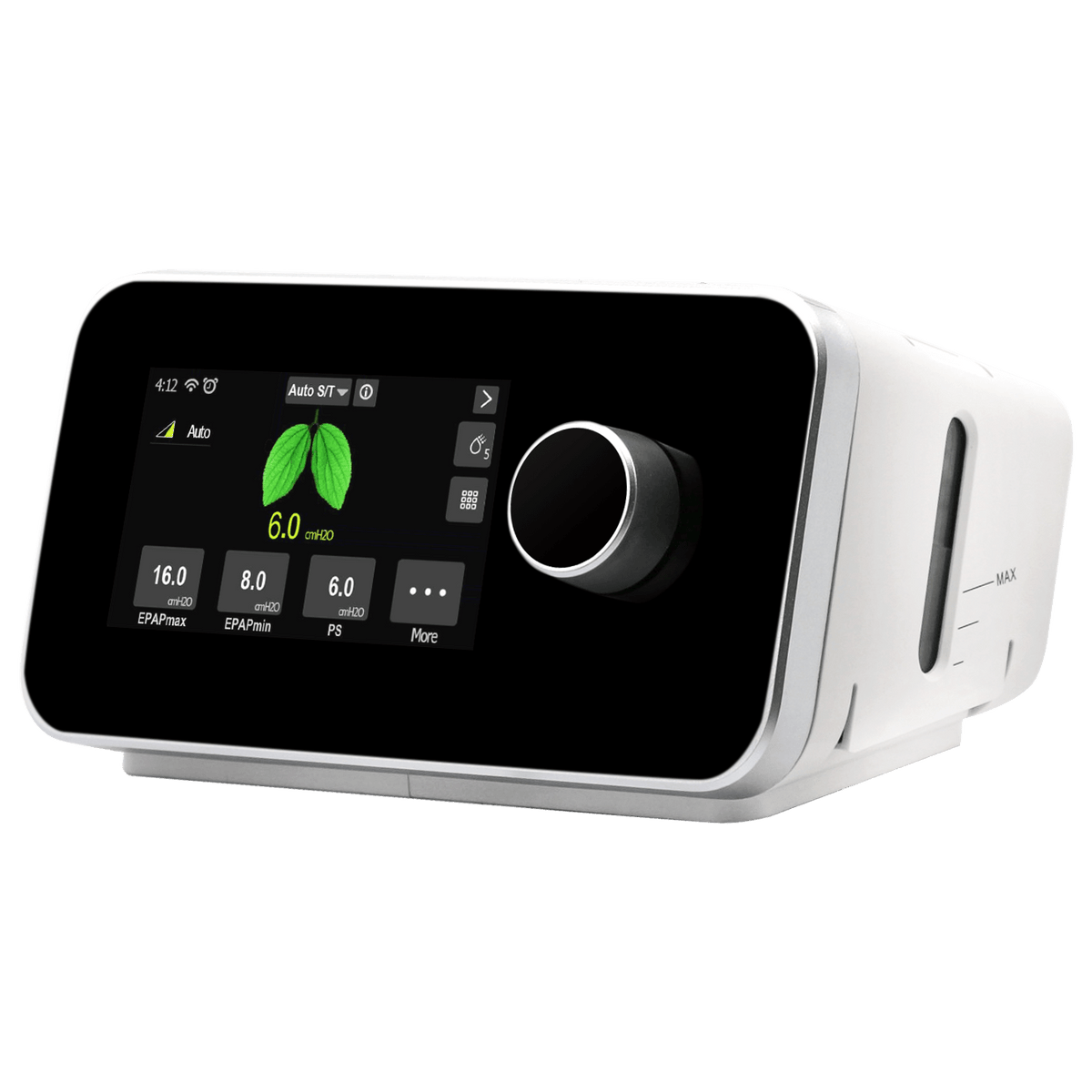 The Auto BiPAP Machine brings automatic altitude adjustment to dual-pressure therapy. Best for users who require higher pressure support and want the assurance of consistent therapy at any elevation. One limitation: setup and mask fit guidance are important for best results, especially for new users. A great fit for someone managing sleep apnea who alternates between a mountain home and sea-level residence, needing therapy that adapts without fuss.
How Modern Devices Handle Rapid Altitude Shifts
Top models detect and update altitude settings automatically, minimizing any lag in therapy adjustments during travel. This is especially important for those who fly frequently or drive between varying elevations, ensuring safety and comfort without interruption.
Comparison Table: Sleep Therapy Devices with Altitude Adjustment
| Device | Pressure Range | Modes | Altitude Adjustment | Portability | Mask Options | Smart Features | Price | Best For | Actions |
|---|---|---|---|---|---|---|---|---|---|
| 4–20 cmH2O | APAP/CPAP | Automatic | High | Full face, nasal, pillow | Data reporting | $$ | Travelers seeking flexibility | ||
| 4–25 cmH2O | BiPAP, ST, Auto-ST | Automatic | Med | Full face (recommended) | Therapy tracking | $$$ | High-pressure, home/travel |
Choosing the Right Device for Your Needs
Frequent Travelers: What to Prioritize
If your routine includes altitude changes—air travel, mountain trips, or seasonal moves—automatic altitude adjustment is non-negotiable. Lightweight, compact models with clear reporting are your best bet.
Home Use vs Travel-Specific Machines
Home users may opt for larger, more feature-rich machines if portability is less critical. Those needing therapy on the go should look for travel-friendly design and simple setup.
Reading Device Reports for Altitude-Related Metrics
Many devices now log altitude changes and compensation data. Reviewing these reports can reassure you that therapy remains effective, especially if you notice changes in sleep quality.
Setup, Maintenance, and Best Practices
- Initial Setup: Ensure the device's altitude setting is set to automatic; run a test at your current location.
- Ongoing Cleaning: Clean tubing, masks, and humidifiers regularly to prevent performance issues—especially after travel.
- Interpreting Data: Review therapy reports to confirm consistent pressure delivery at different elevations.
Who This Is For
If you regularly travel, relocate, or simply want a sleep therapy device that "just works" wherever you are, automatic altitude adjustment is a must. Those with variable routines, sensitive sleep issues, or who want to avoid manual recalibration will benefit the most. If you live at a consistent elevation and don’t travel, this feature is less critical but still offers peace of mind.
If you're unsure, start by asking: Do you travel or change elevation more than a few times a year? Do you want hands-off reliability? If so, prioritize devices with proven automatic altitude adjustment.
Conclusion
Today's best sleep therapy devices with automatic altitude adjustment remove a major barrier to consistent, effective therapy—especially for travelers and those living at changing elevations. The APAP With More Mask Options is a strong all-around pick for most, balancing flexibility and reliability. For users needing dual-pressure support, the Auto BiPAP Machine is a clear alternative. Both deliver peace of mind that your therapy is optimized, wherever life takes you.